 Dodi Irawan

BERLIN — Chancellor Merz faces immense internal party pressure in 2026, following a series of chaotic personnel reshuffles and state election results. This situation highlights the fragility of the chancellor's position amid Germany's volatile political dynamics.
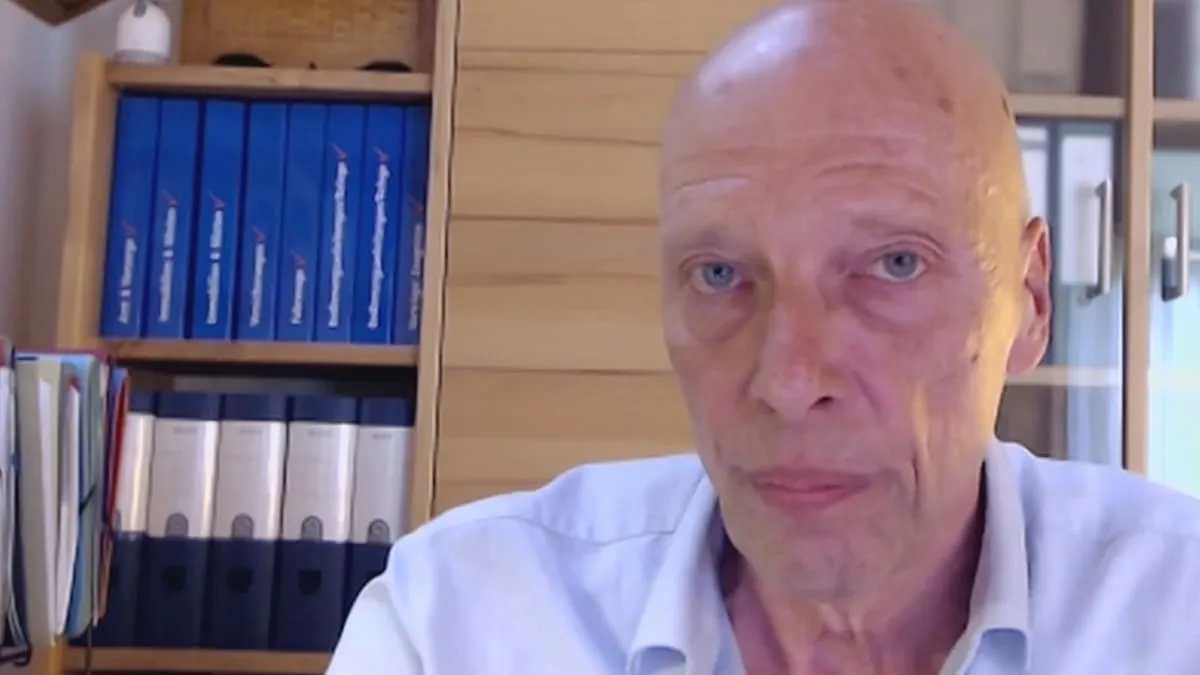
Prominent columnist Jan Fleischhauer offered a sharp analysis of the situation. "The bitter thing for him is: no one, absolutely no one, has come forward to defend him," Fleischhauer stated, describing the isolation experienced by Chancellor Merz within his own party ranks.
This turmoil stems from personnel changes that many observers deem haphazard. Decisions related to the rotation of core staff and party officials caused chaos rather than consolidation, leading to an erosion of internal trust in Merz's leadership.
Following the recently concluded state elections, internal political dynamics have intensified. The election results, which may not have met expectations or even showed a decline in support for his party, further exacerbated Merz's position and raised questions about the legitimacy of his leadership.
This situation has led to widespread speculation among political analysts and national media regarding Chancellor Merz's future. The silence from senior party members, who usually rush to defend their leader, is now a strong indicator of substantial rifts within the coalition or internal factions.
This pressure also comes as Germany faces several significant challenges in 2026, ranging from global economic issues, energy stability, to migration problems. An unstable internal party situation could hinder the government's response to these crises.
Some analyses link Merz's situation to similar challenges faced by politicians from other parties. For instance, "AfD Program Deemed Unconstitutional" illustrates legal and political tensions that can shake party stability in Germany.
Internal criticism and lack of public support post-state elections create an image of Chancellor Merz as an isolated leader. This contrasts with initial hopes at the beginning of his term in 2026, where power consolidation was a top priority.
The long-term impact of these dynamics may not only affect Merz's political career but also the stability of the entire governing coalition. The big question is how the coalition will navigate this crisis of confidence without solid support from its leader.
Fleischhauer added that this phenomenon shows a political leader's strength is not only measured by electoral mandate but also by the ability to maintain internal loyalty and trust, especially when political storms hit. Losing this fundamental support could be the beginning of a downfall.
Public discourse and "Hot Debate in Berlin: CDU Politician Apologizes for Discussing Migration" also reflect a sensitive and volatile political atmosphere, where every move by politicians is closely scrutinized and can trigger controversy.
Opposition parties are likely to exploit this vulnerability to escalate their attacks, seeking opportunities to weaken the position of Chancellor Merz and his party ahead of the next federal elections. The German political landscape is predicted to heat up even further.
Nevertheless, German political history shows that dynamic changes often pave the way for new leadership or revitalized political strategies. The key for Merz is to find a way to rebuild bridges of communication and trust with his support base.
Further analysis is needed to comprehensively understand the scale of the impact of the personnel reshuffle and state elections on Chancellor Merz's policy direction. The public awaits the chancellor's strategic moves to overcome this pressure.
Skepticism from Fleischhauer and other observers indicates that only time will tell whether Merz can restore confidence and strengthen his position, or if these post-election political dynamics will mark the beginning of the end of his leadership era.