 Angela Stefani
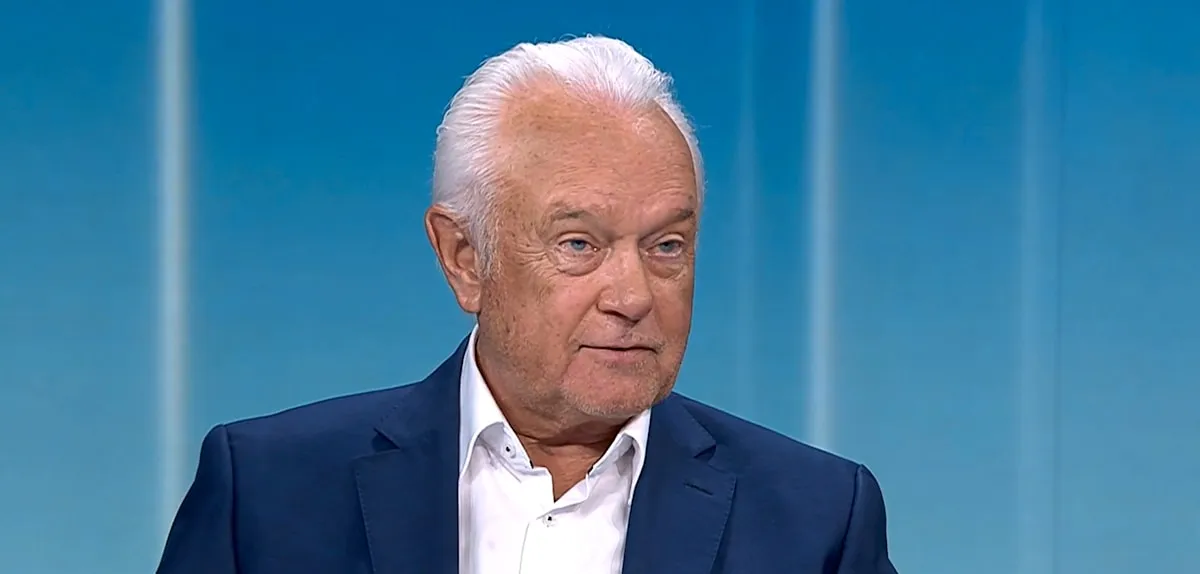
BERLIN — Friedrich Merz, a central figure in the Christian Democratic Union (CDU) party, is facing serious demands for a no-confidence vote from Wolfgang Kubicki, leader of the Free Democratic Party (FDP). This demand follows increasingly sharp criticism over a 'credibility deficit' within the CDU board and questions Merz's suitability for the Chancellorship, risking a dramatic collapse of public trust in the political year 2026.
Kubicki explicitly stated that the office of Chancellor is too big for Merz, highlighting the destruction of trust at an astonishing pace. This statement immediately triggered a new wave of debate on the German political stage, adding pressure on the leader of the largest opposition party.
The sentiment of a 'credibility deficit' is not only echoing from the outside. Internal CDU sources indicate deep concerns among party leadership regarding Merz's ability to unite factions and project a solid leadership image in the eyes of the German public.
Criticism of Merz is certainly not new. Throughout 2025 and into early 2026, narratives about his failures on several crucial issues have been frequently heard, contributing to a decline in the party's popularity in regional polls.
Wolfgang Kubicki, known for his straightforward communication style, affirmed that the call for a no-confidence vote is not merely a political bluff, but a reflection of genuine unease about the direction of CDU leadership under Merz. The FDP, as a potential coalition partner or opposition, has a strong interest in Germany's political stability.
This situation is exacerbated by previous reports of dissatisfaction within the 'Union' (CDU/CSU), with speculation even suggesting that Chancellor Merz's political career is on the brink due to waves of internal and external protests.
Kubicki's insistence places Merz at a crossroads: either to defend his position with strong arguments or to consider drastic measures to salvage his party's image and future. This decision is crucial given that Germany will face a series of important elections in the coming years.
Many political analysts compare this situation to several previous cases, such as when other CDU politicians chose to resign from ministerial posts, which also shook the German political stage. Such pressure indicates the fragile dynamics within the party.
The big question now is how Merz and the CDU board will respond to this demand. Will they ignore it, confront it, or will there be significant changes in the party's leadership strategy to meet the challenges of 2026 and beyond?
The German public, increasingly critical of government and opposition performance, will closely monitor these developments. Clarity and stability in leadership are desperately needed, especially amid rapidly evolving global economic and geopolitical challenges.
Pressure on Merz is not only coming from the FDP or within the CDU. Other opposition parties are also beginning to react, using this moment to highlight leadership weaknesses in the conservative camp. This creates a highly volatile political landscape.
This crisis of confidence has the potential to damage the CDU's chances of leading the next government. A divided party with questioned credibility will find it difficult to gain a full mandate from voters, despite its strong historical support base.
In the coming days or weeks, an official statement is expected from Merz or a CDU spokesperson regarding the next steps. Will this no-confidence vote actually be put forward, or will there be reconciliation efforts to ease the existing tensions?
This situation demands Merz to demonstrate strong and strategic leadership, not only to save his position but also to restore the eroded trust. His political future, and even the future of the CDU, depends on how he navigates this storm.
Ultimately, this episode will be a critical test for Merz's resilience as a political leader and for the solidarity within the CDU. The outcome of these internal dynamics will have long-term implications for Germany's political constellation in the years to come.