 Angela Stefani
PARIS – The International Energy Agency (IEA) issued a stern warning in mid-2026, declaring the Middle East crisis as the greatest threat to global energy security ever witnessed. Escalating tensions since US and Israeli strikes last February prompted a fierce response from Iran, leading to a blockade of the Strait of Hormuz and targeting of tankers, drastically hindering oil exports from Gulf countries and sparking fears of a global recession.
The IEA's warning highlights the fragility of global energy supplies amidst an seemingly endless escalation of conflict. IEA Executive Director Fatih Birol, speaking at a press conference in Paris, emphasized that the current situation is far more critical than previous energy crises, demanding a coordinated response from the international community.
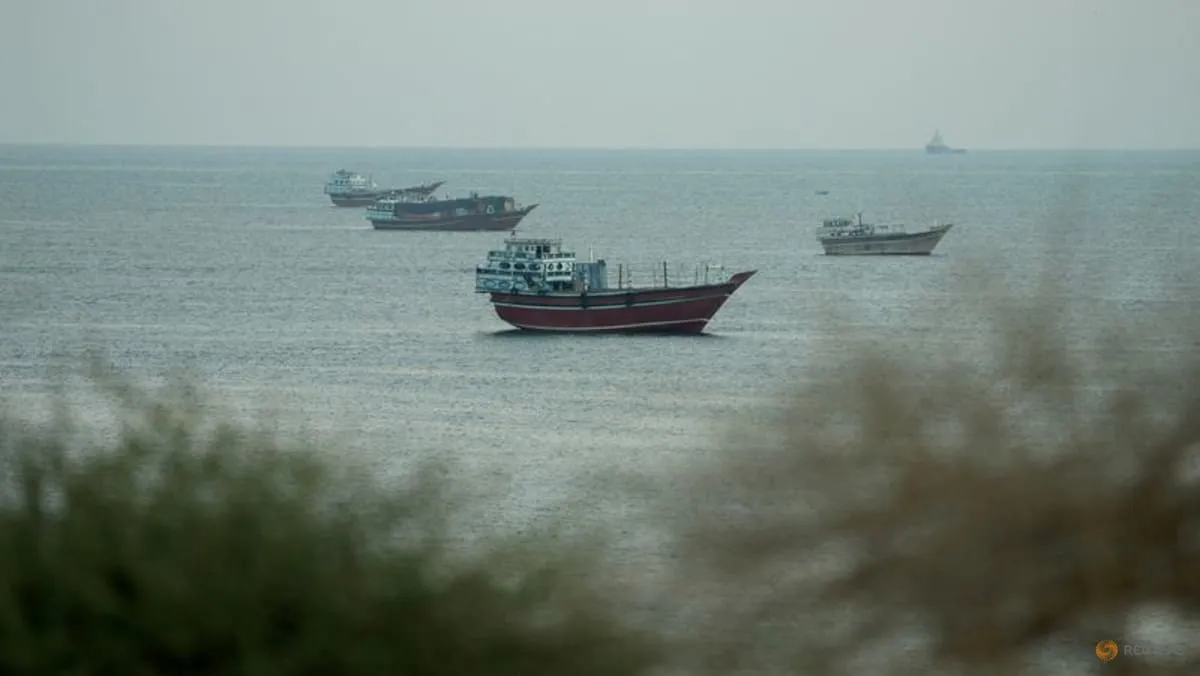
The Strait of Hormuz, a vital shipping lane connecting major Gulf oil producers to global markets, has now become the epicenter of tension. Approximately one-third of all seaborne traded oil passes through this narrow strait, making it a crucial economic artery vulnerable to disruption.
Since February 2026, Iran has systematically imposed a partial blockade and launched attacks on several tankers traversing its waters. These provocative actions, according to Tehran, are a retaliation for aggression launched by Washington and Tel Aviv in its territory, a claim vehemently denied by both nations.
As a direct consequence of Iran's actions, Gulf countries, including Saudi Arabia, the United Arab Emirates, and Kuwait, face significant difficulties in exporting their crude oil. Long queues of tankers and soaring insurance costs have severely impacted their energy sectors, threatening regional economic stability.
The crisis originated from a series of airstrikes launched by the United States military under President Donald Trump's leadership and Israel against strategic Iranian targets in early February. These strikes were claimed as a response to Iranian military activities deemed a threat to regional stability.
In global markets, Brent and West Texas Intermediate (WTI) crude oil prices have surged dramatically, reaching record highs in recent years. This price increase immediately translates into higher inflation, burdening households and industries worldwide, and raising the prospect of a global recession.
The UN and various world powers have called for immediate de-escalation, urging all parties to exercise restraint and return to the negotiating table. However, diplomatic efforts have so far yielded no significant results, with each side remaining firm in its position.
Historically, the Middle East has always been a geopolitical flashpoint, but the energy crisis triggered by direct conflict in the Strait of Hormuz is considered different due to the scope and intensity of its threat to the integrated global economy.
Many developed nations, including EU members and Asian countries like China and India, are now working hard to seek alternative energy supplies and strengthen their strategic reserves to reduce dependence on this volatile region.
Volatility in energy futures markets has reached levels unseen in the last decade. Panicked investors are shifting assets, exacerbating global economic uncertainty and fueling fears of a broader financial crisis.
Beyond economic impacts, this conflict also has the potential to trigger deeper humanitarian crises in an already vulnerable region. Disruptions to food and medicine supplies could worsen the conditions for millions of war-affected residents.
The role of global players such as President Donald Trump's administration in the United States, China, and Russia is crucial. Their decisions and diplomatic steps will determine whether this crisis can be de-escalated or instead dragged into a larger, more destructive conflict.
This situation is also closely linked to other ongoing regional conflicts. For instance, the Yemen War, which continues into 2027, demonstrates how instability in one point can spread and exacerbate tensions in other areas of the Middle East.
The IEA's long-term projections indicate that without a swift resolution, the world could face a new era of energy uncertainty, where high prices and unstable supplies become the new normal. This necessitates diversification of energy sources and significant investment in renewable energy.
Editorial Insight: The energy crisis triggered by the turmoil in the Middle East in 2026 is not merely an oil supply issue; it is a clear indicator of the fragility of the global geopolitical order. Conflicts between regional powers with the intervention of world powers have the potential to fundamentally alter the international economic and political landscape. An inappropriate or delayed response could trigger a crippling domino effect, not only on the energy sector but also on social stability and security across various parts of the world. Collective responsibility to de-escalate tensions and seek diplomatic solutions is paramount. Without it, the price to be paid by the global community will be immense.