 Debby Wijaya
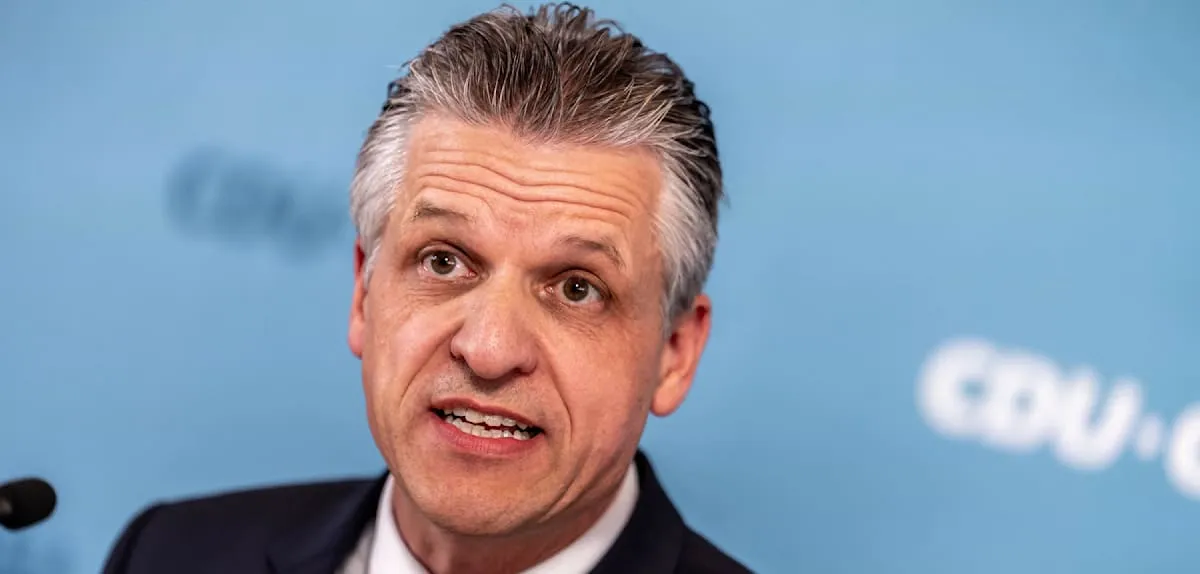
BERLIN – The Christian Democratic Union (CDU) parliamentary group leader, Thorsten Frei, recently urged the German federal government to implement fundamental budget reforms and significantly tighten fiscal policies ahead of 2028. This call comes in response to economic challenges described by Frei as enormous, which he believes require a much firmer policy response.
Frei, in his outspoken statement, emphasized that even with improved competitive conditions, Germany would still require fundamental structural reforms. This statement implicitly highlights that the economic problems facing the country are not merely cyclical but are deeply rooted and necessitate long-term strategic intervention.
The volatile global economic conditions and increasingly fierce geopolitical competition have placed Germany at a crossroads. As Europe's economic powerhouse, the pressure to maintain industrial competitiveness and innovation is growing.
The German government faces a dilemma between the need for investment in green and digital transitions and the imperative to manage a sustainable budget deficit. Loose fiscal policies in the past are now beginning to show their impact.
According to Frei, a stricter course in managing the federal budget is no longer an option but a necessity. This implies the need for a comprehensive re-evaluation of government spending, public expenditure efficiency, and investment priorities.
This statement reflects growing concerns among German conservatives regarding the current economic and fiscal policy direction. They argue that without strict budget discipline, Germany's long-term economic stability will be jeopardized.
The 2028 agenda is a crucial target for implementing these changes. The three-year period from 2026 is expected to be sufficient to formulate and begin executing profound reforms, although the political and social challenges should not be underestimated.
The current ruling coalition government will likely face significant pressure from the opposition to take concrete steps. Discussions concerning subsidy cuts, public sector restructuring, or even reviewing major projects could trigger heated debates.
Germany's future stability and prosperity heavily depend on the ability of political leaders to make difficult decisions. The push from a figure like Frei indicates that this issue is not merely political discourse but a reflection of the country's real needs.
Germany's success in overcoming previous economic crises has often been attributed to prudent fiscal policies. However, the scale of current challenges demands a bolder and more coordinated approach.
Frei's appeal serves as an early warning to all parties. He underscores that Germany's bright economic prospects in the future cannot materialize without a serious commitment to internal reforms and responsible financial management.
Editorial Insight: Thorsten Frei's statement is not just political rhetoric but a strong indication of a shifting priority in Germany's economic agenda. The demand to curb the budget and undertake structural reforms by 2028 reflects an awareness of the urgency to face complex global challenges. Political courage to implement potentially unpopular measures will be key to Germany's stability and competitiveness in the coming decade.