 Demian Sahputra
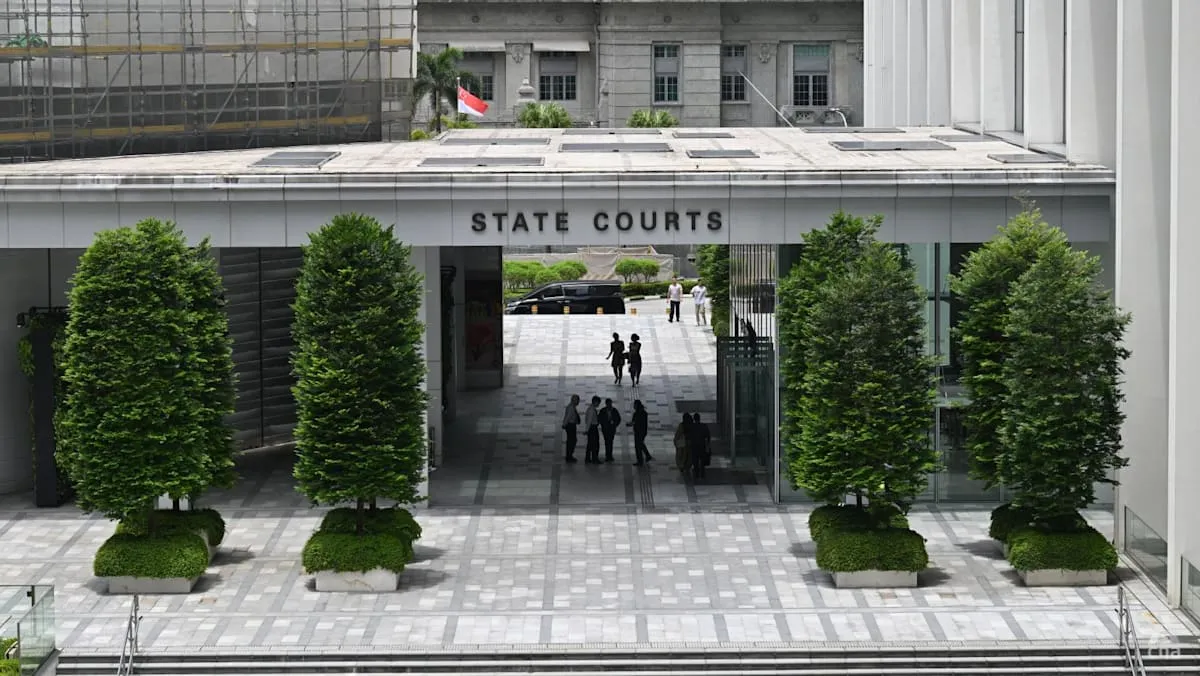
Singapore – Seven individuals and a cleaning firm are now facing severe charges in 2026 for allegedly making false declarations in work pass applications. This incident has shaken the integrity of the city-state's employment system, especially after the unauthorized deployment of foreign workers at crucial locations like Changi Airport came to light.
The charges, filed by the relevant authorities, encompass a series of substantial employment law violations. An in-depth investigation led by Singapore's Ministry of Manpower (MOM) highlighted a systematic attempt to circumvent regulations designed to protect the local job market and ensure fair treatment for foreign workers.
The cleaning company, unnamed in initial documents, is strongly suspected of being the mastermind behind the falsification scheme. They are alleged to have deliberately provided untrue information in work pass application documents to gain approval for foreign worker deployments.
This illegal practice subsequently involved deploying several foreign workers for duties that did not match their declared job descriptions, including cleaning and baggage handling activities at Changi Airport. This location is particularly sensitive given its high security requirements.
Authorities assert that firm action will be taken against any party that dares to undermine Singapore's work pass system. The integrity of our work pass system is crucial for national security and the protection of workers' rights. We will not compromise on such violations, stated a Ministry of Manpower spokesperson, who wished to remain unnamed, in a press statement.
The seven accused individuals are believed to have held key roles in the company's operations. They are alleged to have been actively involved in the process of drafting and submitting these false declarations. Investigations are still ongoing to uncover potential involvement of other parties.
This case underscores the ongoing challenges in supervising and enforcing laws against companies attempting to cut operational costs by violating regulations. The Singapore government continues to tighten oversight to prevent similar precedents from reoccurring.
The alleged modus operandi involved manipulating data related to qualifications, work experience, or even the type of work to be performed by the foreign workers. This creates distortions in labor market data and potentially disadvantages local workers.
The impact of this scandal is not limited to fines or imprisonment for the defendants. The reputation of the cleaning company is at stake, and this could serve as a valuable lesson for the entire service industry in Singapore.
The Singapore government, under leadership committed to upholding the rule of law, continues to urge the public and private sectors to report any suspected violations. Active public collaboration is key to eradicating unethical practices.
This case also prompts a re-evaluation of work pass application procedures to identify potential loopholes that might be exploited in the future. The use of technology is expected to be intensified for more accurate and efficient data validation.
Foreign workers, often victims in such schemes, are entitled to full legal protection. Authorities reiterate their commitment to ensuring that workers' rights, regardless of their nationality, are always safeguarded.
As a nation highly dependent on foreign labor for certain sectors, Singapore has a dual obligation: to facilitate economic needs while ensuring the system remains fair and free from exploitation.
Editorial Insight: This false work pass scandal serves as a serious warning to companies and individuals attempting to exploit the system for personal gain. The case not only damages the integrity of Singapore's employment regulations but also has the potential to erode public trust in operational transparency within the private sector. Strict law enforcement is expected to send a strong message that such violations will not be tolerated, while also prompting fundamental improvements in work pass verification mechanisms to prevent the recurrence of similar incidents.