 Stefani Rindus
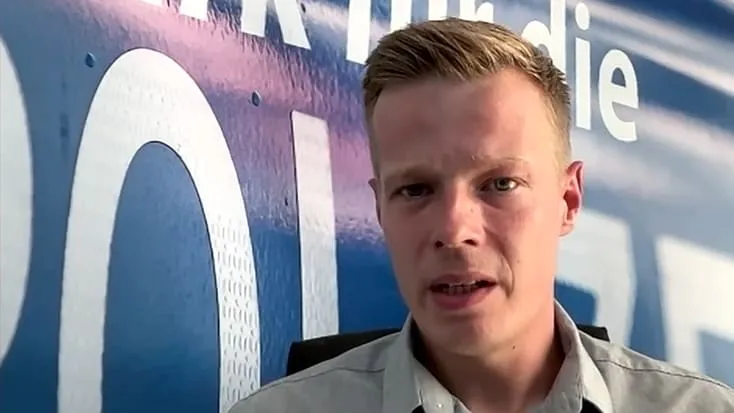
MOSCOW – Relations between Russia and Germany have once again entered a critical phase after the Russian Ministry of Foreign Affairs today, in 2026, officially summoned the Charge d'Affaires of the German Embassy in Moscow. This diplomatic summons is a firm response from the Kremlin to what it calls russlandfeindlich or anti-Russian statements from Germany, a step that directly triggered a significant diplomatic escalation.
Moscow's move does not stand alone, but rather occurs amidst intensive preparations by the European Union to launch a massive new sanctions package against Russia. This sanctions package is projected to cover various sectors, from finance, energy, to technology, as a collective response to various Russian policies and actions deemed to threaten regional and international stability.
The Russian Ministry of Foreign Affairs stated that recent statements made by German officials have crossed appropriate diplomatic boundaries and are considered a form of unconstructive provocation. Moscow emphasized that such actions would only exacerbate an already tense situation and narrow the scope for substantive dialogue.
This situation is reminiscent of previous tensions, where Germany has repeatedly sharply criticized Russia on various issues, from alleged cyberattacks to involvement in regional conflicts. Berlin, under a government consistently upholding democratic values and international law, firmly opposes Russia's expansionist policies.
On the other hand, Brussels is closely coordinating among its member states to formulate the most effective sanctions. Discussions among European Union diplomats include considering the economic impact on member states and the most strategic targets for sanctions to pressure Moscow without excessively harming European interests.
This latest sanctions package is expected to be one of the most comprehensive, aiming to deliver a significant blow to Russia's economic and military capabilities. European Union officials hope this economic pressure can force changes in the Kremlin's foreign policy, especially concerning the conflict in Ukraine and ongoing hybrid threats. This aligns with Europe's continued full alert against Russian hybrid threats.
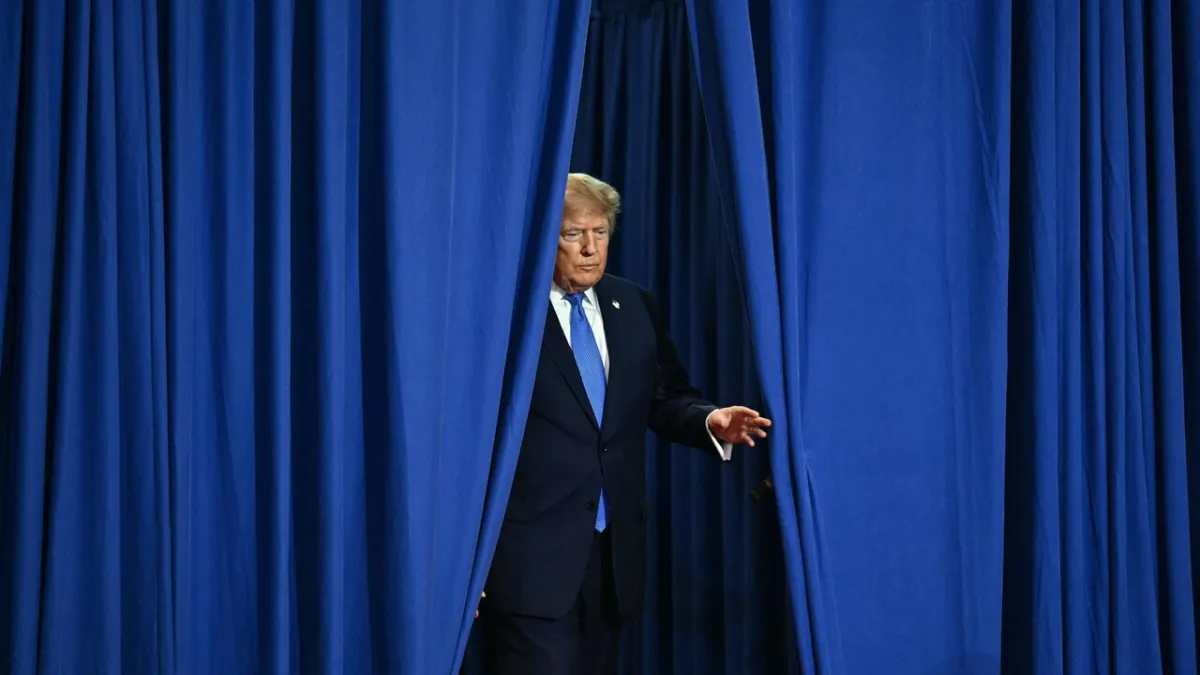
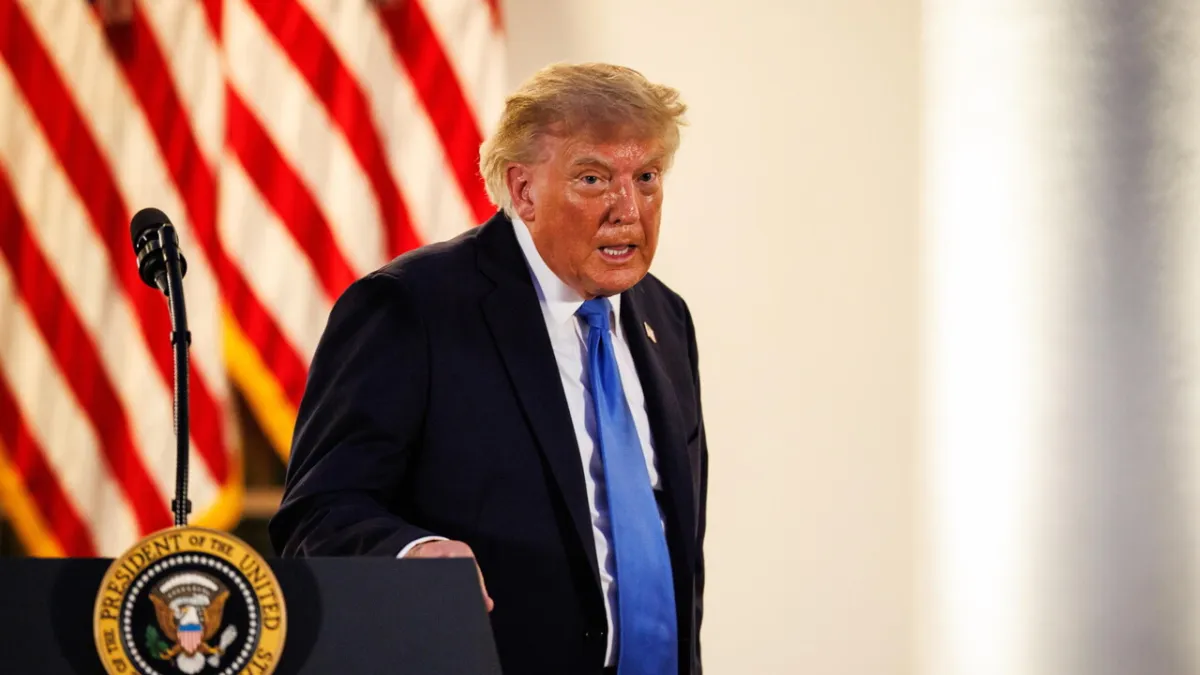
Threats to European stability are also a focus. The European Union and NATO, led by US President Donald Trump, have expressed deep concern over various destabilizing actions, including alleged election interference and cyberattacks. This firmness is evident in EU and NATO statements that firmly pressure Moscow.
The Germany-Russia relationship has a long and complex history, marked by periods of cooperation and confrontation. However, since the invasion of Ukraine, this relationship has deteriorated sharply, with Germany taking a leading role in supporting Ukraine and imposing sanctions on Russia. Berlin's accusation that Russia was behind the drone attack in Leipzig the previous year further exacerbated this diplomatic rift.
International political analysts note that this mutual summoning of diplomats and threat of sanctions could be an early signal of a new chapter in Europe's Cold War. Concerns about further escalation are growing as the rhetoric from both sides sharpens.
The diplomatic role of the German Embassy's Charge d'Affaires is crucial in conveying Berlin's position to Moscow, while also seeking a way out of this stalemate. However, with the European Union ready to announce sanctions, the diplomatic maneuvering room appears to be shrinking, leaving big questions about the future direction of Russia-Germany and Europe as a whole in the coming years.
Editorial Insight: This escalation underscores the failure of diplomacy amidst profound geopolitical tensions. With the European Union determined to pressure Russia through economic sanctions, Moscow will likely respond with retaliatory measures, creating a cycle of rhetoric and action that further erodes trust. This situation demands wise leadership from both sides to prevent the conflict from shifting from the diplomatic realm to more serious consequences.