 Stefani Rindus
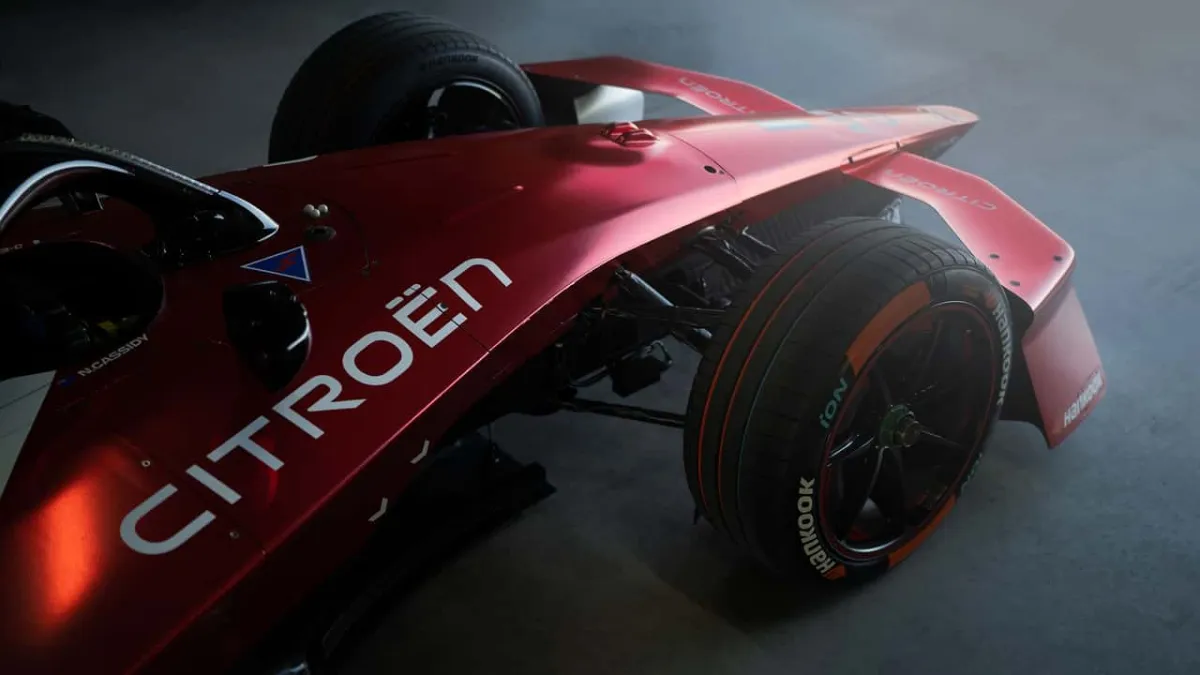
PARIS – The global automotive industry has been taken aback by recent reports indicating that Stellantis, one of the world's largest automotive conglomerates, is considering ceasing all its motorsport programs. This strategic decision, if realized, would significantly impact the participation of iconic brands such as Peugeot in the World Endurance Championship (WEC), Citroen and Opel in Formula E, and Lancia's rally revival efforts starting in 2026. The reports have sparked widespread speculation regarding a deep restructuring within the Stellantis Motorsport division.
The news first emerged from prominent industry sources, highlighting potential significant changes to the company's motorsport strategy. Stellantis Motorsport, which houses various legendary brands, is reportedly undergoing a rigorous re-evaluation of its budget allocation and development priorities.
The Peugeot 9X8 hypercar program in WEC, which has involved substantial investment and become a serious contender in endurance racing, is now at a crossroads. Fans and racing teams are anxiously awaiting the fate of this futuristic prototype car.
Similarly, Citroen and Opel's involvement in Formula E, the growingly popular electric car racing series, is also at risk. These brands have been an integral part of promoting electric vehicle technology and sustainability. Halting these programs could diminish their presence on one of the most important automotive innovation platforms today.
Moreover, Lancia's planned resurgence in the global rally arena, a brand with a long and illustrious history in the category, is also threatened with cancellation. The initiative to restore Lancia to its former glory in the World Rally Championship (WRC) now faces significant uncertainty due to Stellantis' internal restructuring.
An internal Stellantis source, who wished to remain anonymous, stated, A comprehensive re-evaluation is underway to ensure optimal resource allocation for the company's core innovation and profitability. This statement indicates that the company's focus may be shifting to areas considered more vital for its future business, particularly in the transition towards mass electrification.
Automotive market analyst, Dr. Adi Santoso, commented, This move may reflect Stellantis' shift in focus towards mass electrification rather than expensive investments in motorsport. With pressure to develop competitive and affordable electric vehicles, every dollar invested must provide a clear return.
This potential decision could trigger a ripple effect throughout the motorsport ecosystem, from component suppliers to technical teams, and thousands of fans who place their hopes on these brands' performance on the track.
Such restructuring is not new in the automotive industry. Companies often conduct strategic reviews of their racing portfolios to adapt to economic conditions, regulations, and broader corporate objectives.
However, for Stellantis, recently formed from the merger of Fiat Chrysler Automobiles and PSA Group, ceasing motorsport programs could send mixed signals to the market and the public, especially regarding their commitment to the legacy of performance and innovation that has always been associated with its brands.
Editorial Insight: Stellantis' strategic decision to restructure or even halt its motorsport programs is a bold move that highlights financial and technological development priorities amid the global automotive industry's transition. While it may save costs and focus resources on electric vehicle research and development, it risks damaging the brand image built over years of success on the race track. The emotional appeal of motorsport is often not quantifiable by financial metrics alone, and losing presence in global events could diminish brand resonance with loyal consumers and fans. The long-term impact on brand loyalty and innovation might outweigh the short-term cost savings.