 Demian Sahputra
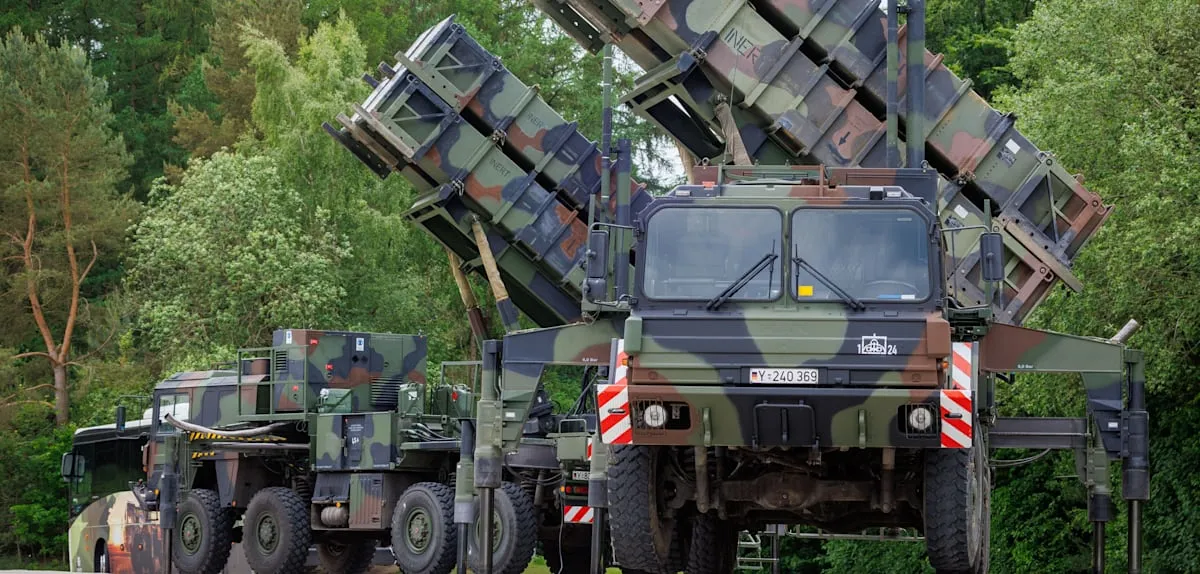
MECHERNICH – The Bundeswehr military base in Mechernich, North Rhine-Westphalia (NRW), Germany, has come under serious scrutiny following repeated detections of unidentified drones over an area identified as Patriot-Werft. This incident has triggered deep concerns about potential espionage and the security of a strategic installation, given that the facility houses critical material stored 130 meters underground and is believed to be the only base of its kind in Europe.
The incidents in Mechernich are not isolated occurrences but a series of detections indicating continuous surveillance efforts against one of the most vital military logistics and storage centers on the continent. This location plays a crucial role in the supply chain and maintenance of Patriot air defense systems, which form the backbone of air defense for many NATO countries.
This increase in drone surveillance comes after similar incidents, such as the one that crippled Leipzig Airport operations last year due to a drone alarm, pointing to a new pattern of security threats facing Germany. Military and law enforcement authorities are now racing against time to identify the perpetrators behind these illegal flights.
A Bundeswehr spokesperson confirmed the drone detections, stating that security measures around the Patriot-Werft have been tightened. While specific details regarding the type of drones or their origin have not been publicly disclosed, the military has initiated a comprehensive investigation.
The base in Mechernich is unique for storing sensitive material far beneath the ground, making it an attractive target for those seeking to gather intelligence. The presence of drones in the area raises serious questions about the vulnerability of Germany’s critical defense infrastructure amidst current global geopolitical tensions.
Security analysts speculate that these incidents could be part of a broader surveillance campaign by state or non-state actors. They highlight the need for increased investment in counter-drone technology and cybersecurity protocols to protect military assets from this evolving threat.
As the only base with these specific characteristics in Europe, the security of the Mechernich facility is not only relevant to Germany but also to its NATO allies. Information regarding Patriot systems or stored materials could provide significant strategic advantages to potential adversaries.
The German government, through the Ministry of Defense, has unequivocally stated its commitment to protecting all military assets. Collaborative efforts with domestic and international intelligence agencies are underway to ensure a coordinated response to this threat.
The pattern of drone detections around military facilities and vital infrastructure is not new. Previously, incidents like drone attacks on gas pipelines in Bulgaria also triggered similar concerns about the vulnerability of Europe's critical infrastructure.
This incident also recalls the case of the mysterious drone explosion in Bulgaria, where Kyiv later admitted responsibility, though the context was different. This underscores the complexity of identification and attribution in drone-related incidents.
Modern security challenges are increasingly complex, with drones becoming a favored tool for reconnaissance and, in some cases, attacks. This demands rapid adaptation of defense doctrines and technologies used by modern militaries such as the Bundeswehr.
Editorial Insight: The repeated detection of drones over this strategic German military base serves as a serious alarm for national and regional security. Given the unique nature of the Mechernich facility and the current geopolitical context, these incidents are more than just airspace violations; they indicate a deeper potential intelligence threat. Swift response and transparent investigation are crucial to prevent escalation and maintain public and allied trust. The security of defense infrastructure is now increasingly vulnerable to technology once exclusively military.