 Debby Wijaya
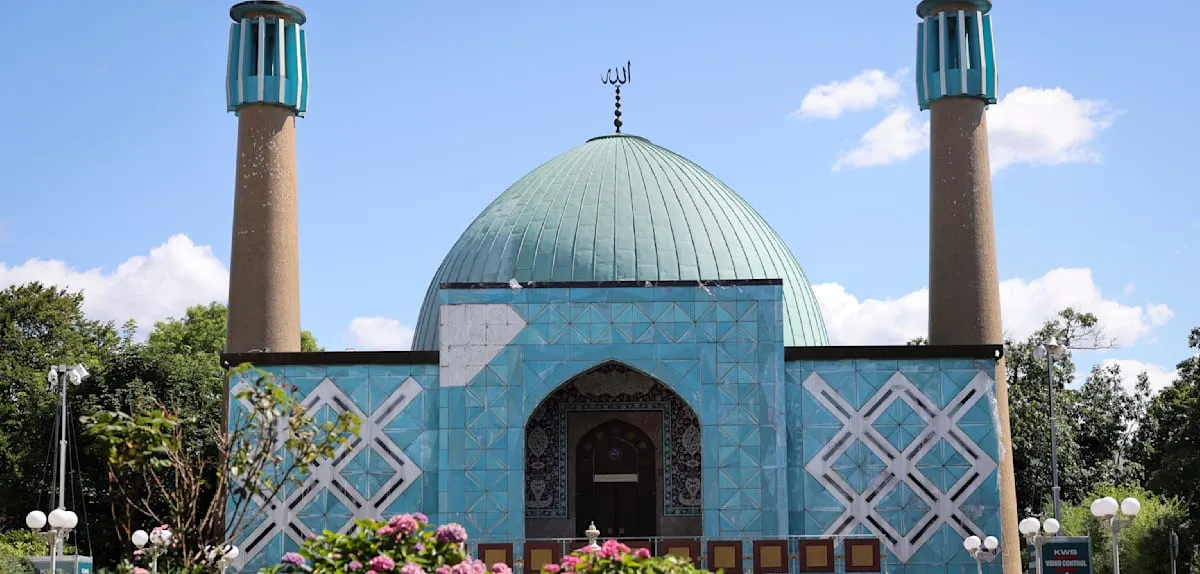
HAMBURG — The future of an iconic building on the banks of Lake Alster, known as the Blue Mosque, now hangs in legal uncertainty. Discussions surrounding the repurposing of this historic structure, whether it will transform into a cultural center or a memorial site, are highly dependent on an awaited court ruling.
The legal complexities surrounding the building have created a prolonged pause in Hamburg's urban planning. The public and stakeholders are awaiting clarity on the ownership status and usage rights of this property, which boasts distinctive architecture and significant historical value.
The discourse concerning the building's new function has evolved over recent years. The option of becoming a cultural center offers potential new vitality for the area, providing a space for inter-cultural dialogue, art, and education for Hamburg's citizens and international visitors alike.
A modern cultural center could host a variety of activities, ranging from art exhibitions, workshops, seminars, to musical performances. This would revive the building in an inclusive and progressive manner, aligning with Hamburg's vision as a multicultural city.
Another alternative that has emerged is to convert the building into a memorial site. This option would consider aspects of history and contemplation, possibly linked to important narratives or events that have intersected with the existence of this Blue Mosque or the surrounding community.
The establishment of a memorial site requires in-depth study of its historical context, to ensure that the message conveyed is relevant and meaningful. It could become a place for reflection and learning about the past, as well as a reminder of the values of peace and tolerance.
Amidst the anticipation of the court's decision, the local Office for the Protection of the Constitution (Verfassungsschutz) has drawn a preliminary positive balance. This report indicates that there are no serious concerns from a state security perspective regarding current activities or potential threats that might arise from the building.
The Verfassungsschutz, Germany's domestic intelligence agency, plays a crucial role in monitoring potential extremism and anti-constitutional activities. Their positive statement somewhat allays concerns that might exist among the public or the Hamburg city government.
Clarity from the authorities is crucial for concrete discussions about further development to commence promptly. Without a strong legal basis, any initiatives or proposals for the building's utilization will remain mere speculation.
This uncertainty also impacts the city budget and private investments that might be interested in contributing to renovation or development. A firm legal decision will pave the way for resource mobilization and plan implementation.
The people of Hamburg, especially those living around Alster, show enthusiasm for the revitalization of this building. They hope that the decision taken will not only consider legal aspects but also its potential contribution to the city's social and cultural life.
Urban planners and architects have prepared various design scenarios, illustrating how the Blue Mosque could harmoniously integrate with Hamburg's modern urban landscape. These creative ideas await the green light from the judiciary.
The city government has expressed its commitment to ensuring that whatever the final decision, the building will serve the public interest and enrich Hamburg's cultural heritage. Transparency and public participation are expected to remain priorities in this process.
In a broader context, the case of the Blue Mosque reflects the challenges many European cities face in managing historic buildings with complex identities. The balance between preservation, adaptation, and contemporary needs becomes essential.
The world is watching how Germany, particularly Hamburg, will resolve this dilemma. Will it set a precedent for handling similar assets in the future? This adds weight to every step taken.
Until the judge's gavel falls, the Blue Mosque Alster will remain a symbol of unanswered questions, awaiting a new chapter in its long history in the heart of Hamburg.