 Edward DP Situmorang
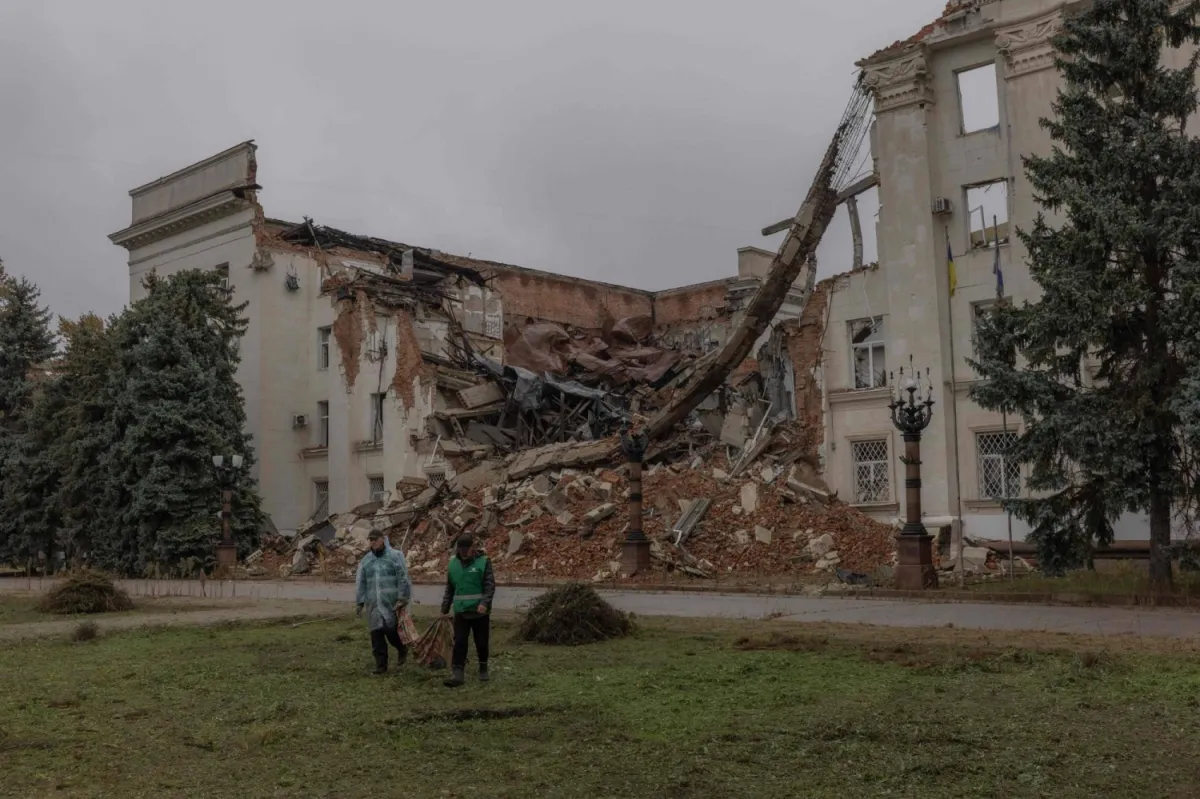
KHERSON – The strategic port city of Kherson in Ukraine breathes a sigh of relief in 2026, following the achievement of a ceasefire that sparks optimism for recovery. After eight months of suffering due to the Russian military occupation since 2022, and the heroic struggle of Kyiv's forces to regain control, a 'breath of fresh air' in diplomacy now offers a glimmer of hope for millions of citizens whose peace has been stolen.
The occupation of Kherson by the Russian army in 2022 was one of the darkest chapters in the prolonged conflict in Ukraine. The city, located on the banks of the Dnipro River, bore silent witness to the atrocities of war, with destroyed infrastructure, a paralyzed economy, and civilians living in fear.
Kyiv's forces successfully recaptured Kherson after eight months of occupation, a significant victory met with euphoria, but also leaving deep scars. The post-conflict reconstruction process faces enormous challenges, including widespread mines and a lack of adequate basic services.
The current ceasefire, dubbed a 'fresh breath' by many, is expected to provide space for humanitarian aid and stabilization efforts. This initiative marks a potential turning point, allowing residents to begin rebuilding their lives without the shadow of artillery fire.
International humanitarian organizations have started to move more actively, sending vital supplies such as food, medicine, and fuel. Easier access to previously isolated areas is expected to alleviate the humanitarian crisis that has lasted for years.
Economically, Kherson heavily relies on the agricultural and shipping sectors. The ceasefire reopens transportation routes and sparks hope for the recovery of business activities. Farmers can return to their land, while the port can resume operations, albeit under strict supervision.
The international community welcomes this development, seeing it as a crucial step towards broader de-escalation of the conflict. Various countries urge all parties to fully respect the ceasefire, for the sake of achieving sustainable peace.
On the streets of Kherson, residents express relief mixed with caution. We are so grateful for every day without the sound of bombs, said Olena Kovalenko, a 50-year-old teacher. However, we will never forget what happened, and we hope this is truly the beginning of the end of our suffering.
Despite the optimism, major challenges remain. The process of community reconciliation, severe economic recovery, and demining efforts require significant investment and long-term commitment from the Ukrainian government and the international community.
The success of the ceasefire in Kherson will be an important barometer for the prospects of peace in other conflict-ridden regions. It is a test of the political will of all parties to prioritize human lives and well-being over military agendas.
Editorial Insight: The ceasefire in Kherson, although only applicable to one region, has significant geopolitical implications. It could serve as a model or at least a precedent for broader peace negotiations in Ukraine. However, the situation remains highly fragile, given the long history of agreement violations. The international community must provide sustained support to ensure that this 'fresh breath' is not merely temporary, but becomes a foundation for lasting peace.