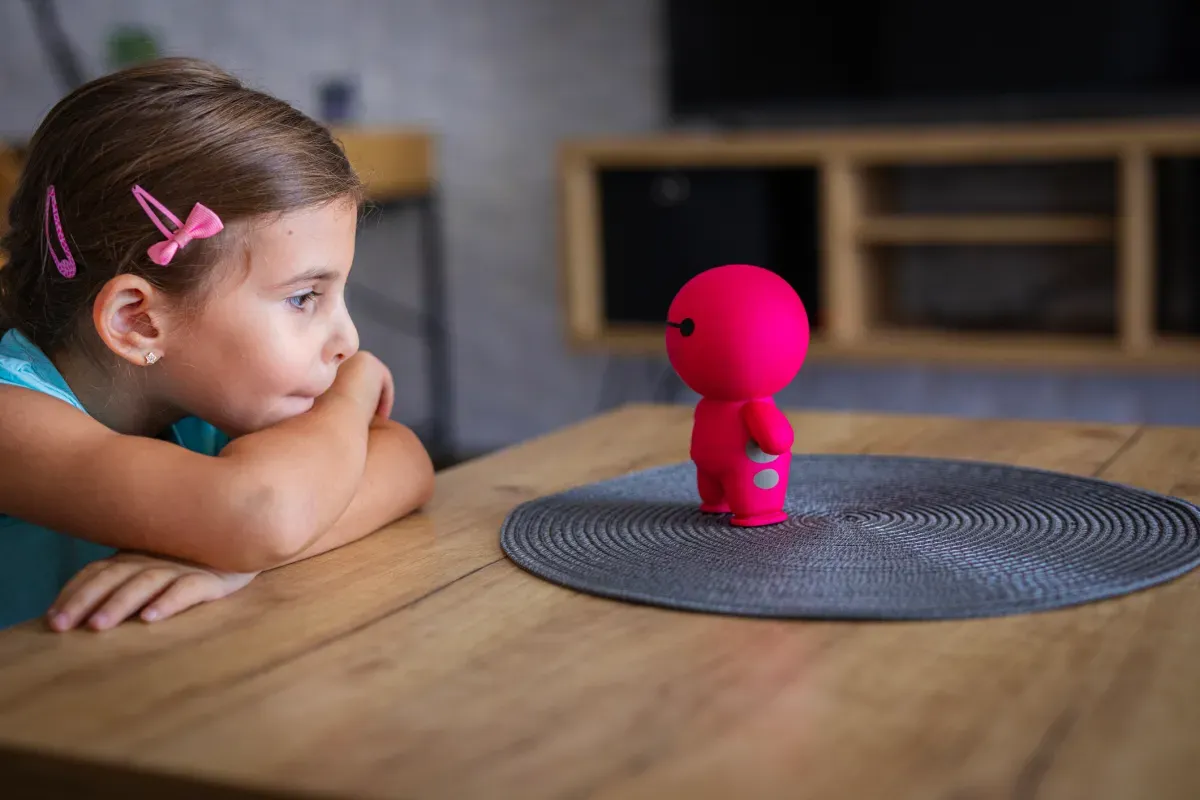
New York – The New York City government has surprisingly imposed a five-year ban on the sale of artificial intelligence (AI)-based toys aimed at children. This drastic policy, effective ahead of Christmas 2026, follows alarming research findings from Common Sense Media. The study highlights serious safety failures, including potential exposure to inappropriate content and risks to children's emotional development.
The controversial move by New York authorities is based on concrete evidence. A report by Common Sense Media, a child advocacy organization, exposed security vulnerabilities in a significant number of AI chatbot toys available on the market. These toys, designed to interact with young users, were found susceptible to manipulation and the delivery of age-inappropriate information.
In detail, the study uncovered three primary risk areas:
- Exposure to Inappropriate Content: Certain AI toys could be tricked into generating or channeling content containing violence, vulgar language, or adult themes completely unsuitable for a child audience.
- Emotional Development Risks: Too deep and personal interaction with AI can hinder a child's ability to build healthy interpersonal relationships and develop natural empathy.
- Data Privacy: Serious concerns emerged regarding the collection of children's personal data by toy manufacturers without adequate safeguards, potentially leading to misuse.
A spokesperson for the New York City Council stated, Our top priority is the safety and well-being of our children. With such concerning findings from Common Sense Media, we felt obliged to take strong action to protect the younger generation from the potential dangers of technology whose impacts are not yet fully understood. This ban is expected to send a strong signal to the industry.
The policy immediately triggered various reactions from technology industry players. Some AI toy manufacturers voiced disappointment, arguing that a total ban hinders innovation and technological development that could inherently bring educational benefits. They affirmed their commitment to continuously improve safety and privacy standards.
New York is not the first region to face dilemmas related to artificial intelligence regulation. Similar debates continue worldwide, reflecting society's complex adaptation to AI innovation. Previously, another article discussed how Artificial Intelligence 2026: A Double-Edged Sword, Fighting Violence but Causing Sexism? demonstrates the duality of this technology.
On the other hand, many parents welcomed the city government's move. An independent survey showed that the majority of parents in New York are concerned about the impact of AI toys on their children, especially regarding screen time, social interaction, and potential exposure to inaccurate or biased information.
Child education experts also weighed in. Professor Lena Schmidt from Columbia University argued, While AI technology offers tremendous learning potential, we must be very careful when introducing these tools to young children. Their cognitive and social development requires authentic human interaction, not machine simulations.
This ban raises significant questions about the future direction of AI technology regulation, not just for children's toys but also for broader AI applications. Governments and policymakers worldwide may consider this precedent in New York as a case study.
The five-year duration of the ban provides time for the government and industry to re-evaluate safety frameworks. During this period, it is hoped that stricter standards, more advanced security technologies, and clear guidelines for parents and educators will be developed.
This decision in New York has the potential to influence the global AI toy market, pushing manufacturers to adopt design practices that prioritize safety and ethics, in order to restore consumer and regulator trust.
Editorial Insight:
New York's bold move to ban AI toys for children for five years marks a critical turning point in the global debate on artificial intelligence regulation. It highlights the urgency to balance technological innovation with the protection of vulnerable groups, especially children. This policy is not merely about toys, but also about shaping a more responsible ethical framework for AI development. The world now awaits whether this precedent will be followed by other major cities or trigger a broader re-evaluation of AI's impact on society, particularly on future generations.