 Demian Sahputra
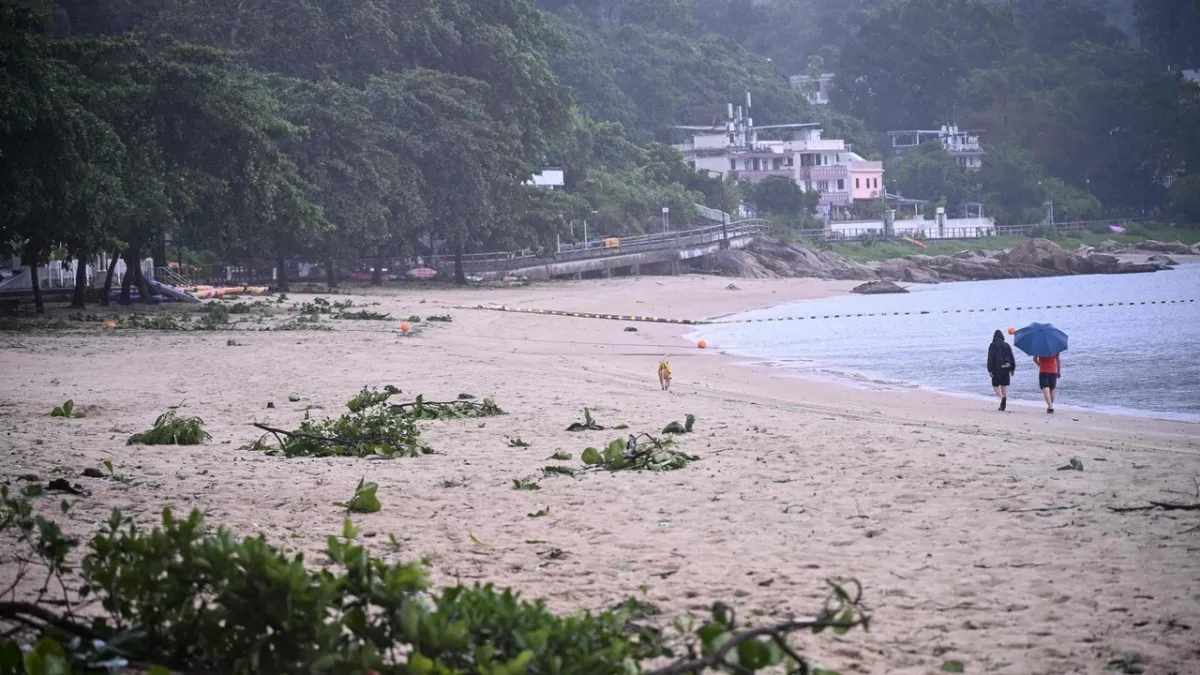
Beijing — Typhoon Noul made landfall in mainland China in May 2015, triggering a mass evacuation of over 715,000 residents in coastal areas and the cancellation of hundreds of scheduled flights. Local authorities enacted a full state of alert, particularly in severely impacted regions and Hong Kong, which also felt indirect effects.
The Chinese government, through the National Meteorological Administration, confirmed Typhoon Noul's landfall with extreme wind speeds, bringing intense rainfall and high waves that threatened public safety and vital infrastructure. Proactive measures were taken well before the storm reached land.
Mass evacuations focused on the southern coastal provinces, including Guangdong and Fujian, historically vulnerable to storm surges. Thousands of rescue personnel and emergency teams were deployed to assist with relocating residents to safe shelters.
Significant impacts were also felt in the air transport sector. Over two hundred flights to and from major airports, especially in Guangzhou, Shenzhen, and Hong Kong, were forced to cancel. These cancellations affected thousands of passengers experiencing travel delays.
The Civil Aviation Administration of China (CAAC) issued strong warnings to airlines and airport operators to prioritize safety and minimize risks. Flight rescheduling is projected to take several days after weather conditions improve.
In Hong Kong, although not experiencing a direct landfall, the local weather bureau raised storm warnings. Schools and some public services were temporarily closed, while residents were urged to stay indoors and avoid outdoor activities.
Hong Kong government officials declared full readiness to face potential secondary impacts, including flash floods and landslides. Disaster response teams were stationed at various strategic points.
Fishing and port areas also suffered significant losses. Thousands of fishing vessels were pulled ashore or sought refuge in hidden bays. Loading and unloading activities at several major ports were completely paralyzed during the peak storm period.
The agricultural sector also faced serious threats. Vast agricultural lands, especially rice paddies and fruit plantations, were at risk of inundation and damage from strong winds. Economic losses are estimated to reach substantial figures.
Initial analysis from meteorologists indicated Typhoon Noul was one of the strongest storms to cross the region in recent years. The erratic storm patterns added complexity to mitigation efforts.
The central government affirmed its commitment to providing full assistance to affected areas. Emergency aid packages, including logistics and medical personnel, had been prepared for post-disaster distribution.
Residents across all affected areas were urged to continue monitoring official information and comply with directions from local authorities. Personal and family safety remained the top priority during this critical period.
Recovery operations will commence as soon as Typhoon Noul moves away and weather conditions stabilize. The primary focus is on restoring electricity supply, clearing debris, and repairing damaged infrastructure.
This event once again highlighted the importance of effective early warning systems and comprehensive disaster preparedness. Global climate change is suspected to contribute to the increasing intensity of storms.
As of this report, there have been no reports of fatalities, but rescue teams continue to comb difficult-to-reach areas to ensure no residents are trapped or severely injured.
The national disaster management center commended the hard work of all parties, from SAR teams, health workers, to volunteers, who have worked together in facing this emergency. Community solidarity also played a key role.
Overall, the response of the Chinese and Hong Kong governments to the threat of Typhoon Noul has demonstrated good coordination, although major challenges still lie ahead in the recovery phase.