 Stefani Rindus
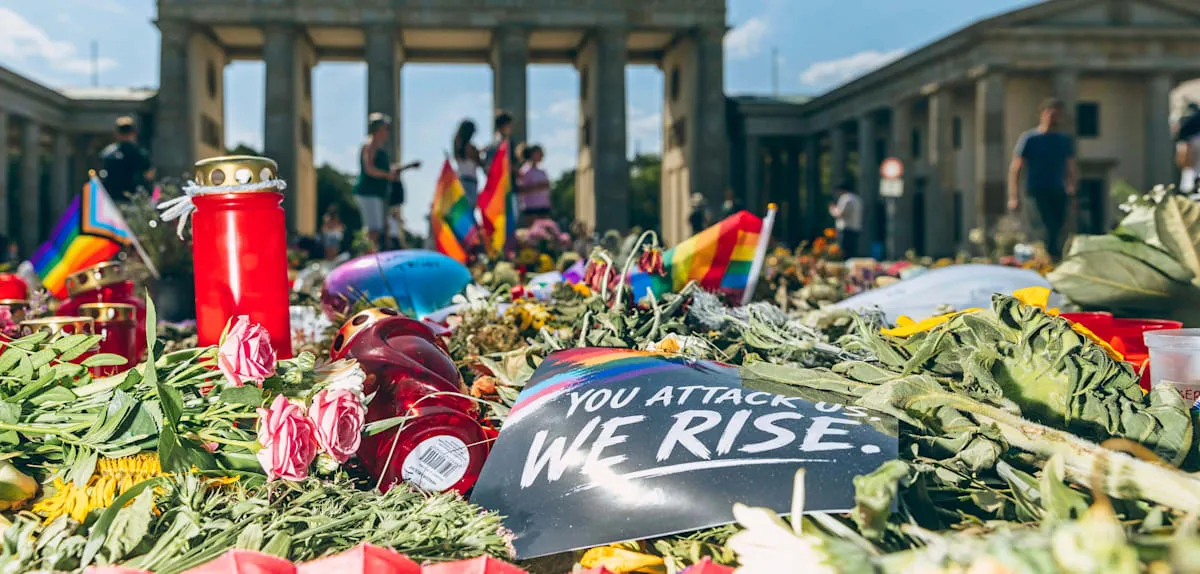
BERLIN — A shocking terror incident rocked the Christopher Street Day (CSD) parade in Berlin in 2026, when Abdul Ballout, an individual previously categorized as a dangerous threat, deliberately drove his vehicle into the crowd. This tragic event immediately triggered a wave of public questions and strong condemnation regarding the effectiveness of Germany's security surveillance system, given that the perpetrator had been under observation and wiretapping by authorities for some time. Berlin's Justice Senator, Felor Badenberg, promptly demanded swift consequences and reforms for this fatal oversight.
Abdul Ballout's identity emerged as a figure who had long been of concern to security authorities. Intelligence sources confirmed that he was not an unknown subject; Ballout had been designated as a "Gefährder" or an individual with the potential to endanger the state, a status that should have triggered the strictest surveillance protocols. Data indicated his movements were monitored, his communications intercepted, yet somehow, a crucial gap in oversight opened wide, allowing this unforeseen tragedy to occur.
The CSD parade, traditionally a celebration of freedom and diversity, transformed into a scene of horror in an instant. Eyewitnesses described chaos as a vehicle sped out of control, breaching barricades and striking participants who were celebrating. The sound of ambulance sirens and mass panic quickly dominated the atmosphere, leaving deep trauma for thousands of individuals present.
Responding to the heartbreaking incident, Felor Badenberg, Berlin's Justice Senator, did not hide her disappointment. In a firm public statement, Badenberg asserted that the failure to prevent this attack, especially when the perpetrator was already identified as a threat, was intolerable. She urged a thorough investigation and structural reforms within security agencies to ensure a similar precedent does not recur in the future.
Public outrage engulfed Germany. Fundamental questions arose: how could an individual intensively monitored by intelligence launch such an attack? Many parties highlighted disfunctional inter-agency coordination or even serious professional negligence. Immense pressure now falls on security and political leaders to provide transparent and accountable answers.
Christopher Street Day is one of the largest events celebrating LGBTQ+ rights and existence in Germany and worldwide. This event is not only a parade but also a symbol of resistance, solidarity, and the struggle for equality. This terror attack not only targeted physically but also symbolically attacked the values of inclusivity and courage upheld by the CSD parade.
This incident rekindled an old debate concerning the effectiveness of Germany's anti-terrorism strategies and intelligence capabilities in facing domestic threats. Security analysts argue that despite increasingly sophisticated modern surveillance systems, there is complexity in distinguishing between potential threats and actual actions, often hampered by bureaucracy or resource limitations.
This tragic event echoes calls for legal reform by the GdP following previous CSD terror. Every incident becomes a crucial moment to evaluate and strengthen legal and operational security frameworks. This latest failure further emphasizes the urgency of pressing improvements, not just rhetoric.
The political ramifications of this incident are expected to be extensive. Opposition parties have begun voicing sharp criticism, demanding accountability from the Interior Minister and intelligence agency leaders. Germany's national security image, often considered among the best, is now at stake, prompting in-depth discussions about policy changes and budget allocations for counter-terrorism.
As an initial response, a special investigative team has been formed to scrutinize every detail of Abdul Ballout's surveillance. The primary priority is to identify weak points in the chain of command and operations, and to formulate concrete recommendations to close security gaps. The public demands clarity and tangible steps, not just promises.
The LGBTQ+ community in Germany, though devastated, showed resilience. Despite the constant threat of terror, the spirit to continue fighting for their rights remains ignited. Several activists called for increased psychological support for victims and reiterated that hatred will not extinguish the spirit of diversity.
Furthermore, this attack has the potential to trigger regional and international discussions about intelligence information sharing and cross-border coordination in facing increasingly complex and decentralized terrorist threats. Germany, as a major power in Europe, must play a central role in leading these collective efforts.
The 2026 CSD Berlin terror incident serves as a bitter reminder that security threats are still very real. Amidst grief and anger, demands for accountability and urgent reforms continue to resonate. This blatant oversight failure must serve as a catalyst for substantive change, ensuring citizen security remains the top priority without compromise.