 Dorry Archiles
ROME – Italy's political landscape is once again in turmoil following a fierce dispute between the Fratelli d'Italia (Fdi) and Lega parties over a potentially divisive fiscal reform. The debate, centered on the impact of tax structures on self-employed individuals and employees, intensified after the revelation of significant disparities between the progressive Personal Income Tax (IRPEF) system and a proposed flat tax.
The current coalition government faces a major challenge in unifying views amidst fundamental differences. Recent data indicates that the IRPEF burden on half of a worker's income can be twice as heavy compared to a flat tax system, a fact that has triggered serious concerns across various labor sectors. This situation underscores the urgency of finding fair and sustainable solutions for all segments of society.
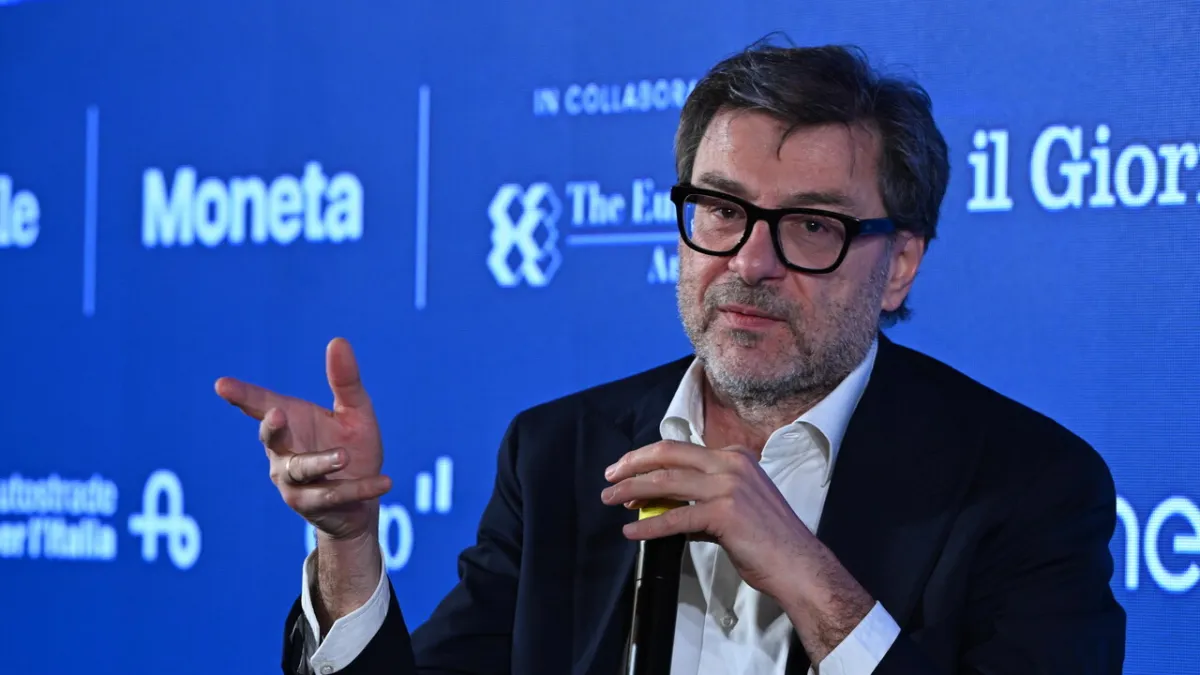
Italy's Minister of Economy and Finance, Giancarlo Giorgetti of Lega, openly voiced the necessity for a comprehensive review of the tax system. We cannot allow the tax burden to stifle innovation and productivity, especially for those who are struggling on the front lines of our economy, he stated at an economic forum in Milan earlier this week. This statement clearly implies criticism of the current tax structure.
On the other hand, Fdi parliament members emphasized the importance of maintaining the principle of tax progressivity. Social justice demands that those with higher incomes contribute more. We must ensure that tax reforms do not create new disparities, said an Fdi spokesperson, who wished to remain anonymous, highlighting the risks of a blanket flat tax implementation.
This division is not merely a battle of numbers; it reflects differing economic philosophies between the two ruling parties. Lega tends to support pro-business policies and aims to stimulate growth through tax reductions, while Fdi, although conservative, also needs to consider its broader voter base that might be affected by these policy changes.
Amidst this complex political dynamic, the Democratic Party (PD) proposed a countermeasure. They put forward a one-off aid package valued at 6 billion euros. This proposal aims to alleviate short-term financial pressures experienced by households and individuals due to economic volatility and fiscal policy uncertainties.
The PD's proposal, though temporary, could provide a reprieve for the government to formulate a more holistic tax reform. However, its implementation will require cross-party support in the Italian Parliament, which is currently occupied with various legislative agendas, including issues related to banking stability following the rejected acquisition at Monte dei Paschi di Siena.
The debate surrounding Fornero, the popular name for the controversial pension reform from 2011, also colors the discussion. While not directly the core of the current tax debate, the shadow of the Fornero reform, which once sparked mass protests, is always present in any economic policy discussion touching on worker welfare.
For self-employed individuals, the promise of a flat tax often serves as a primary appeal, offering simplicity and potential savings. Conversely, employees whose wages are already subject to IRPEF deductions might feel disadvantaged if their burden remains high while other groups receive incentives. This tension could deepen socio-economic divides in the country.
The government of President Prabowo Subianto in Indonesia, despite a different economic context, also continues to monitor global fiscal policy developments as part of its efforts to maintain national economic stability and enhance competitiveness. Such issues serve as important case studies for countries striving to balance tax revenue with economic growth.
Economists and political analysts predict this debate will continue and likely become a key agenda item leading up to the next general election. The Fdi-Lega coalition's ability to find common ground will be a crucial indicator of Italy's political stability and economic prospects in the coming years. This stability is also vital amidst other challenges facing Rome, such as security issues and international relations.
Editorial Insight: This tax debate in Italy is more than a technical fiscal matter; it is a reflection of deep ideological tensions between dominant political factions. If not managed wisely, policy polarization could harm economic growth and widen social disparities. It is crucial for the ruling coalition to find a compromise that is not only fair to all taxpayers but also realistic in stimulating investment and preserving the nation's competitiveness. Failure to reach a consensus risks triggering market uncertainty and public frustration, which could ultimately threaten governmental stability.