 Demian Sahputra
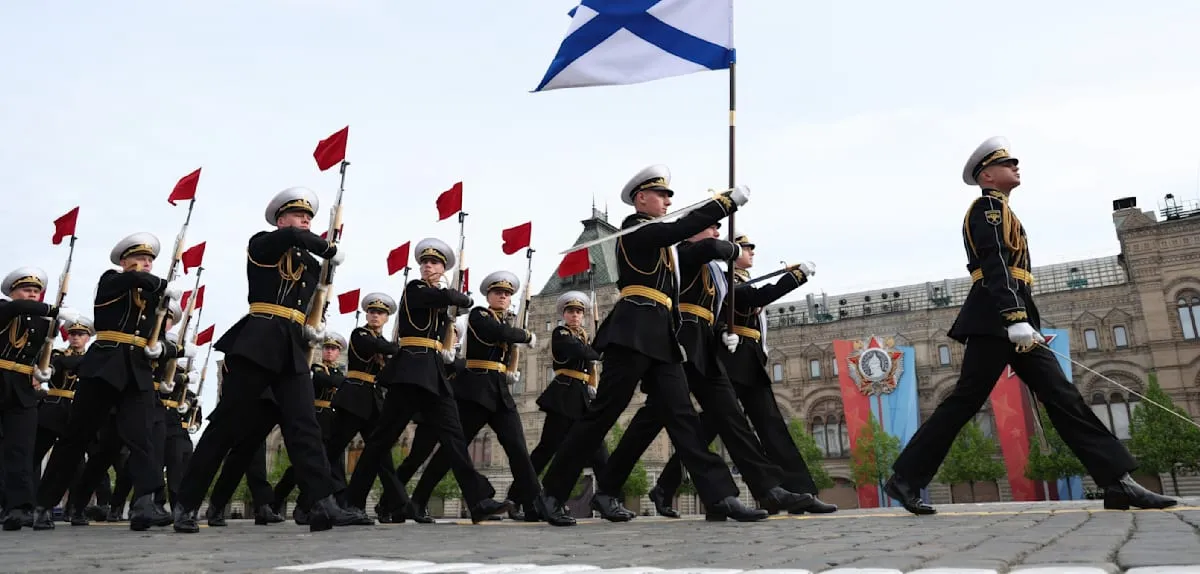
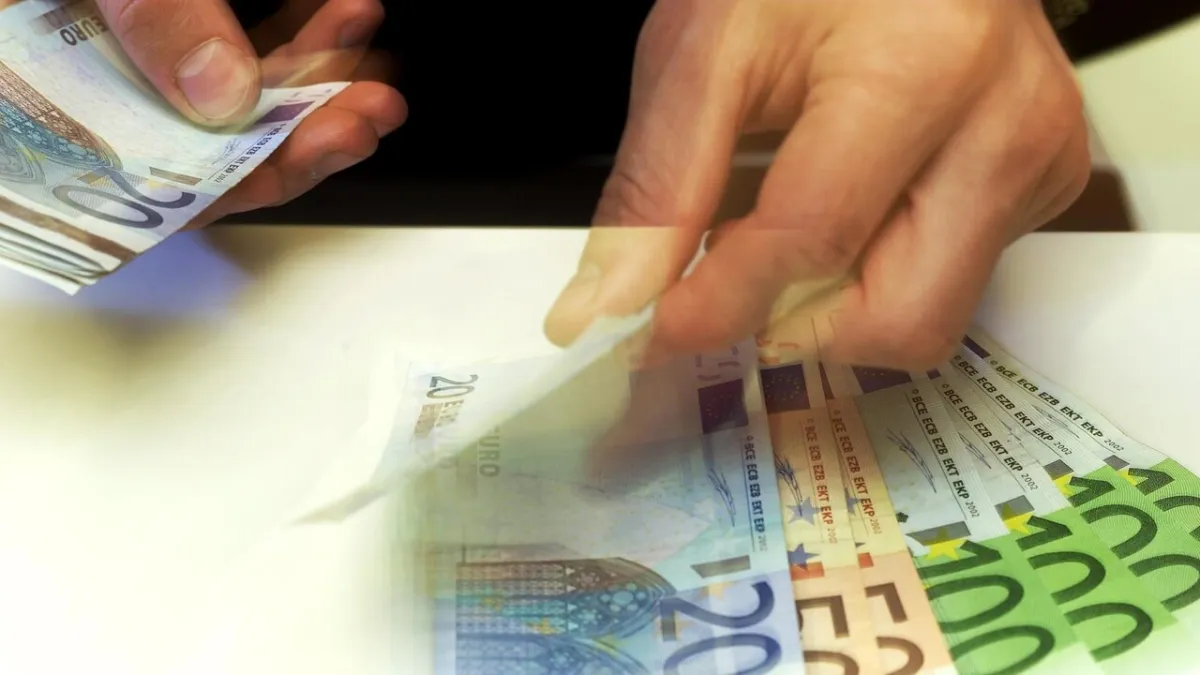
MOSCOW – Russia's military budget is projected to reach an unprecedented record high, a new economic analysis indicates. The ongoing conflict in Ukraine is the primary driver behind this escalating expenditure, placing immense financial strain on the nation. This prediction highlights how the war has distorted the Kremlin's fiscal priorities, creating sustained economic pressure that could impact long-term stability.
Economists monitoring Russia's financial dynamics report that the escalation of the conflict in Ukraine has compelled the Russian government to allocate massive resources for military needs. This trend is expected to continue throughout 2026, potentially surpassing even Soviet-era spending peaks.
The report, released this week, compares current figures with periods of greatest military expenditure in Russian history, including the Cold War era. Projected figures suggest that the burden of modern warfare costs is substantially higher than initial estimates.
This surge in defense spending not only affects the military sector. Other non-military sectors, such as healthcare, education, and civilian infrastructure, are likely to face budget cuts. This could lead to serious social and economic consequences for Russian citizens.
The Russian government, through statements from several officials, often asserts that military budget allocation is a top priority for national security. They claim that increased spending is necessary to sustain military operations and safeguard state sovereignty from escalating external threats.
The scale of this expenditure is truly astonishing, stated a senior economist who wished to remain anonymous due to the sensitivity of the issue. This is not merely a budget adjustment; it is a fundamental reorientation of the national economy towards a war economy, with long-term consequences yet to be fully uncovered.
Economic sanctions imposed by Western nations in response to the invasion of Ukraine were primarily designed to cripple Moscow's financial capabilities. However, recent data suggests that Russia has managed to reallocate its resources, albeit at a high internal cost.
Nevertheless, the sustainability of this financial strategy raises significant questions. Dependence on volatile energy revenues, coupled with limited access to international capital markets, places Russia in a vulnerable position against future global economic shocks.
The impacts of inflation and ruble devaluation have been felt by the Russian populace. Prices for essential goods are rising, and purchasing power is declining. This situation contrasts sharply with government promises of economic stability.
In the short term, the Russian government will likely continue to prioritize the military budget, meaning pressure on civilian sectors will remain high. Inclusive economic growth is difficult to achieve amidst such skewed resource allocation.
This situation also exacerbates Russia's international relations, which continue to be marked by tension. For instance, the EU's threat of a boycott at the G20 meeting in Asheville if Russia attends, reflects growing diplomatic isolation. Read more about G20 Asheville.
In border regions and Eastern Europe, military incidents such as the interception of a Russian reconnaissance aircraft by Poland in the Baltic region demonstrate that geopolitical tensions remain extremely high. Further information on the Baltic incident.
Global market analysts are closely monitoring these developments, concerned that economic uncertainty in one of the world's largest energy suppliers could trigger commodity price volatility and impact the still-fragile global economic recovery.
The big question now lies in how long the Russian populace can tolerate the economic burden of this war. Social unrest may arise if economic conditions continue to deteriorate without clear prospects for improvement.
The decision to prioritize military spending above all else, while strategic in the context of war, risks sacrificing Russia's long-term development and economic diversification, which are essential for post-conflict progress.
Editorial Insight: The escalating Russian military budget is a clear indicator of how the war in Ukraine has transformed the country's economic and social landscape. These are not merely figures on paper, but a reflection of a fundamental policy shift that sacrifices civilian welfare for geopolitical ambitions. The long-term consequences of this strategy, particularly concerning economic development and social stability, warrant serious attention.