 Robert Andrison
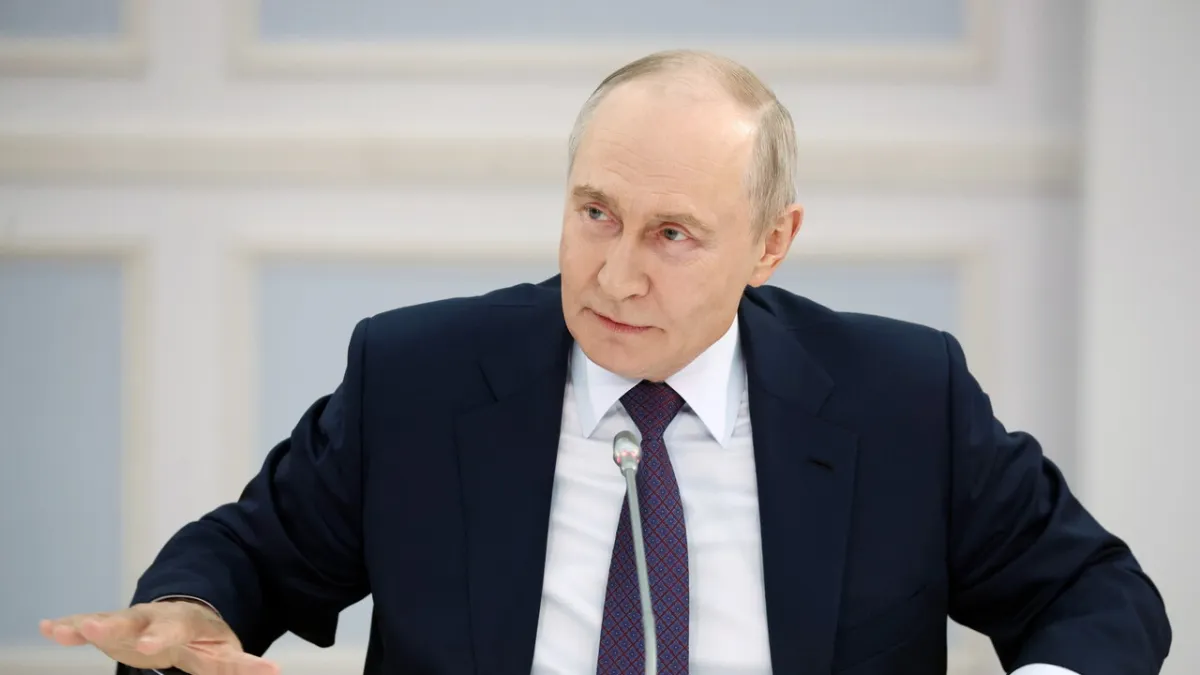
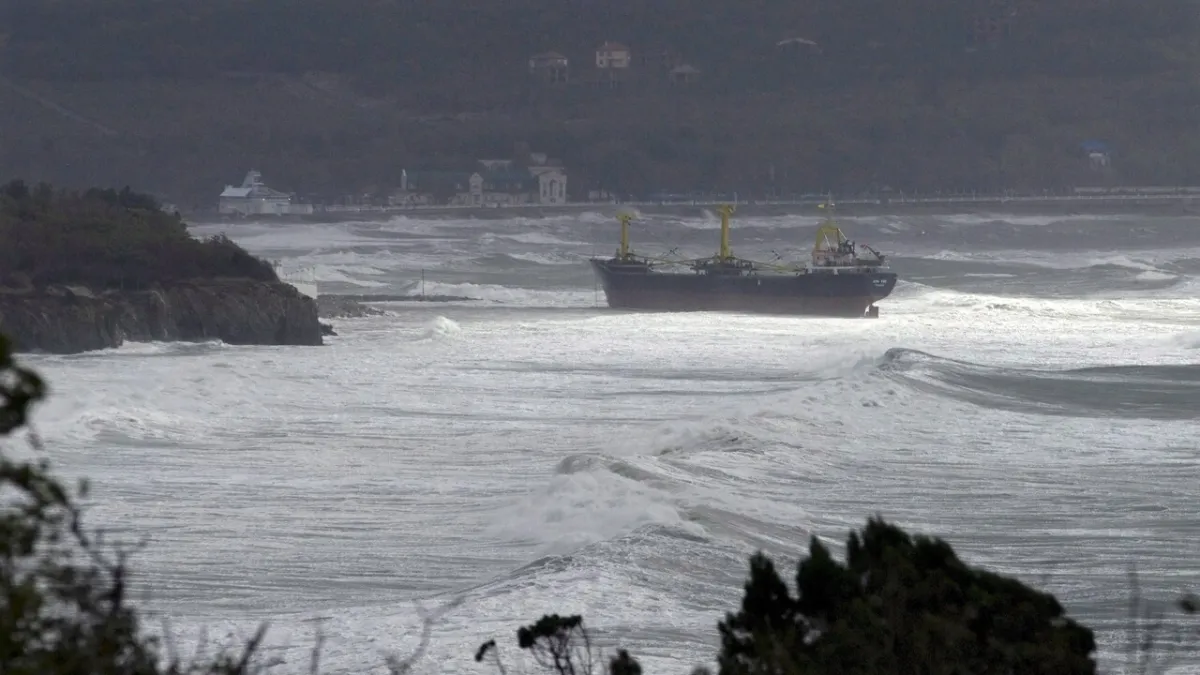
MOSCOW – Russian President Vladimir Putin issued a stern warning to European nations in early 2026, asserting that Moscow would retaliate against the seizure of Russian ships. This statement potentially fuels a global geopolitical escalation, especially amidst the ongoing conflict in Eastern Europe.
In a nationally televised address, Putin declared, We will respond to the seizures of our ships by the Europeans... in any sea deemed appropriate. This phrase indicates a broad spectrum of retaliatory actions Russia might undertake, not limited to a specific geographical area.
This threat comes after a series of assertive actions by the European Union and its allies, who have seized Russian assets, including vessels and other properties, as part of large-scale economic sanctions. These sanctions were imposed in response to Russia's invasion of Ukraine, which has been ongoing since the beginning of the decade.
The seizure of these Russian assets, according to the Kremlin, constitutes illegal and provocative acts that violate international law. Moscow has repeatedly condemned these actions, labeling them as the appropriation of a sovereign state's property.
Putin's threat is not mere empty rhetoric; it reflects Russia's strategy which consistently emphasizes the principle of reciprocity in international relations. Any action perceived as detrimental to Russia's interests will be met with similar or commensurate measures.
The decision to retaliate 'in any sea' opens up the possibility of Russian maritime operations in previously relatively stable regions, such as the Mediterranean Sea, the Atlantic, or even Arctic waters. This raises serious concerns about potential incidents on the high seas.
Several military and geopolitical analysts suggest that this threat could mean an increased presence of the Russian navy in international waters, perhaps even attempts to disrupt European shipping lanes. This serves as a stark warning to nations involved in the seizure of Russian assets.
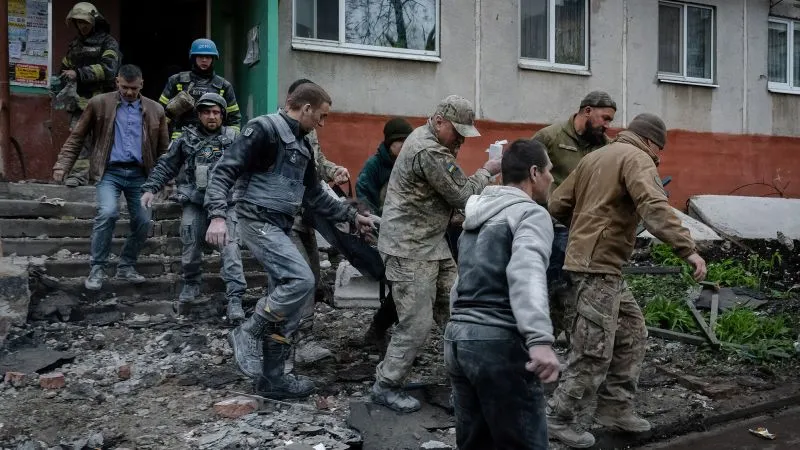
The Russia-Ukraine conflict itself has already triggered significant instability in the region. Reports concerning Russia's deployment of World War II era tanks indicate immense pressure on their military capabilities, yet their naval power remains a concern.
European Union officials, unnamed in initial reports, have responded to this threat with caution, yet affirmed that sanctions and the seizure of Russian assets will continue until there is a significant shift in Moscow's foreign policy.
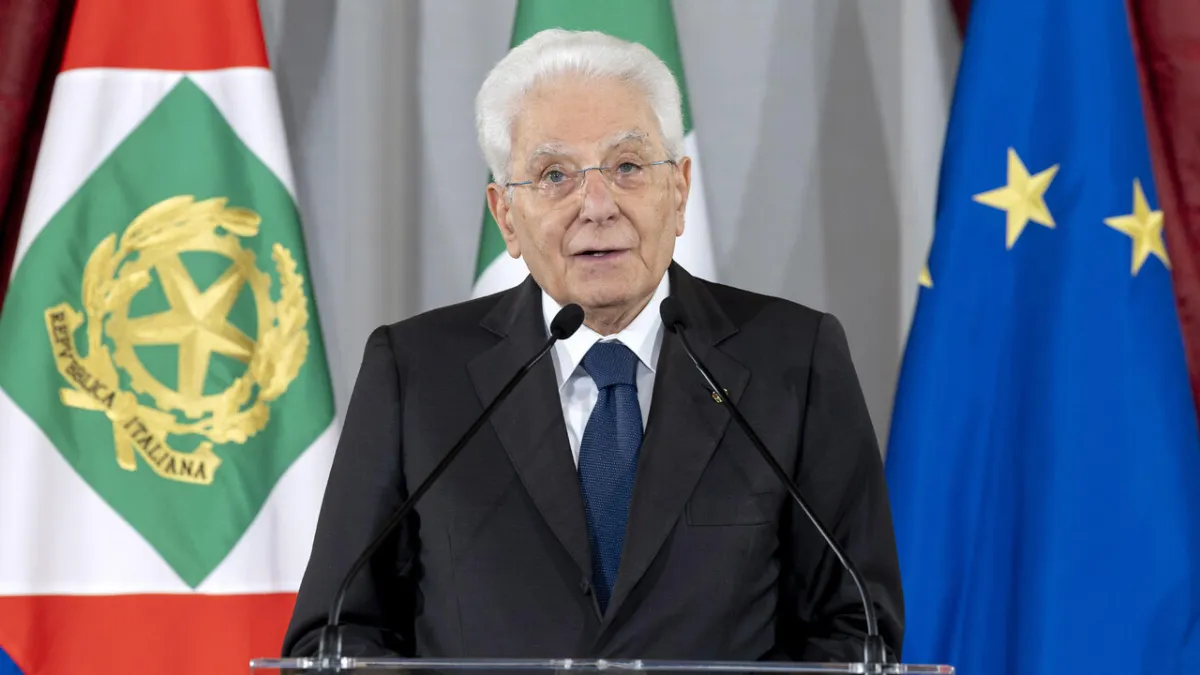
These escalating tensions have the potential to undermine ongoing diplomatic efforts, if any, to de-escalate the conflict in Ukraine. This situation also adds to the 'shadow of a new war' once voiced by Italian President Mattarella, reinforcing the perception that the desire for dominance continues to strengthen.
Global commodity markets, especially energy, are expected to react to this threat. Disruptions to shipping lanes or increased risks at sea could lead to a rise in oil and gas prices, ultimately burdening the global economy.
Editorial Insight: President Putin's latest statement is not merely a warning but an affirmation of Russia's long-standing doctrine of retaliation. The threatened response, specifically in any sea, indicates Moscow's readiness to expand the arena of friction beyond conventional conflict zones. The primary implication is an increased risk of international maritime incidents and potential serious disruptions to global supply chains. Europe's policy of seizing Russian assets now faces a real test: to what extent are they prepared to face the consequences of a geographically unbounded retaliatory threat? This is a crucial moment that could determine the direction of global geopolitics in the coming years, potentially drawing more parties into uncertainty.