 Robert Andrison
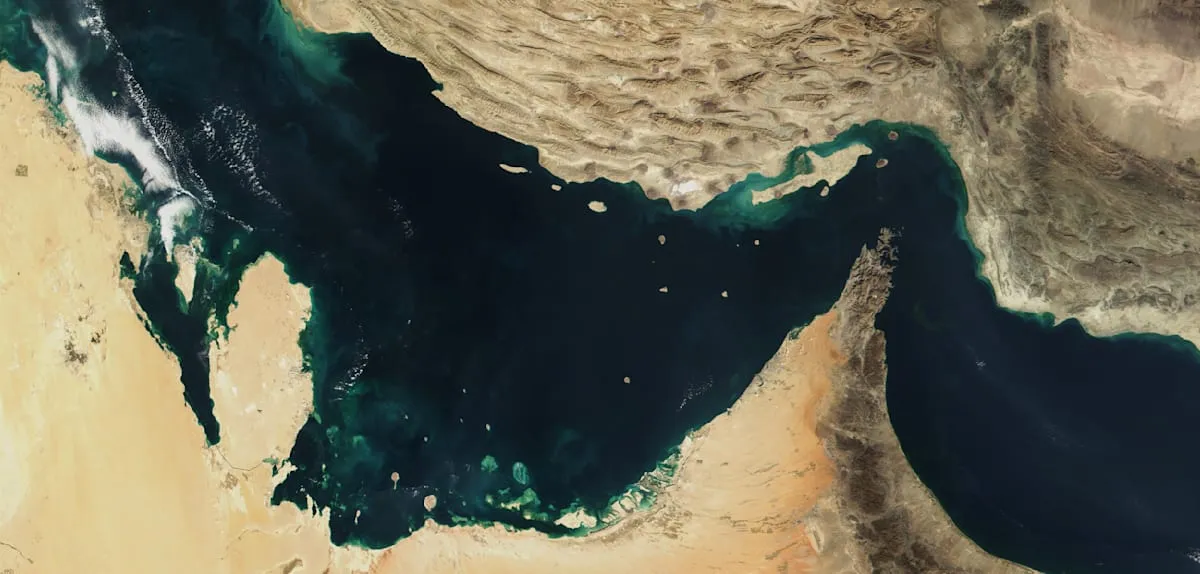
DOHA – The Qatari government has vehemently denied Iran's accusations regarding the detention of its pilots, following a tense incident in Qatari airspace earlier this week. Qatar's Ministry of Foreign Affairs instead revealed that its fighter jets were forced to intercept an Iranian aircraft and only found the body of one pilot after the incident. This diplomatic flare-up further escalates regional tensions.
This official clarification came after Iranian media extensively reported that several of their pilots were allegedly detained by Qatari authorities. The accusations quickly sparked speculation and concern about security stability in the Persian Gulf.
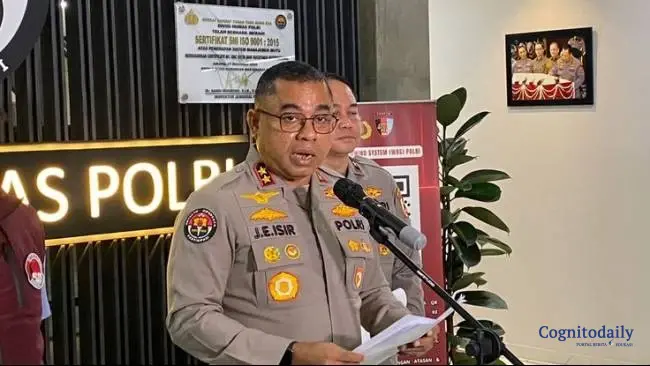
Dr. Majed Al-Ansari, spokesperson for the Qatari Ministry of Foreign Affairs, explained, We reject the misleading and baseless accusations from Iran. No Iranian pilots are being held in our territory. He continued, Our aircraft merely performed standard interception procedures after detecting a violation of our airspace.
According to Al-Ansari, Qatari jets were scrambled to respond to the unauthorized entry of an Iranian aircraft into their sovereign airspace. The interception procedures were carried out in accordance with international law and applicable air defense protocols.
During the interception operation, one of the Iranian aircraft experienced an incident. Our rescue teams were immediately deployed to the scene, Al-Ansari stated. We regret to inform that only the body of one pilot was found. No other pilots have been identified or located by us.
The Qatari government extended its deepest condolences for this tragic incident and expressed its readiness to cooperate fully with Iranian authorities in further investigations. Qatar emphasized the importance of open communication channels to avoid escalation.
Previously, Iranian state news agencies reported that several of their pilots went missing after their aircraft were intercepted. Some sources in Tehran even described the alleged illegal detention as a form of aggression. These claims triggered a diplomatic protest from Iran to Qatar.
This incident adds to a long list of tensions characterizing relations between Gulf states and Iran. The diplomatic history of both parties is often marked by accusations and denials, particularly concerning regional security issues and airspace violations. Referencing a related article, Iran Tegas: Hormuz Tak Takluk Hanya Karena 'Cuitan' Trump (Iran Firm: Hormuz Will Not Yield Just Because of Trump's 'Tweet') demonstrates Iran's assertiveness on sovereignty issues.
Political analysts urged both countries to exercise restraint and resolve differences through diplomatic channels. Further escalation has the potential to disrupt maritime stability and trade in one of the world's most critical shipping lanes.
The international community is expected to play an active role as a mediator to ensure transparency and fairness in handling this incident. Diplomatic pressure from major nations may be necessary to de-escalate the increasingly complex situation.
The long-term impact of this incident on Qatar-Iran bilateral relations remains to be seen. Trust between the two nations will be at stake, and subsequent steps will be crucial in shaping regional dynamics.
Editorial Insight: This incident in Qatari airspace underscores the fragility of security in the Persian Gulf. Qatar's strong denial, even accompanied by evidence of a pilot's body, does not automatically alleviate distrust. Such incidents, regardless of their exact cause, are often exploited for geopolitical gain. It is crucial for both parties to initiate a transparent and independent investigation to uncover the truth and prevent tensions from escalating further. The absence of clear communication at the beginning of the incident fueled controversial narratives from both sides, potentially leading to larger conflicts.