 Demian Sahputra

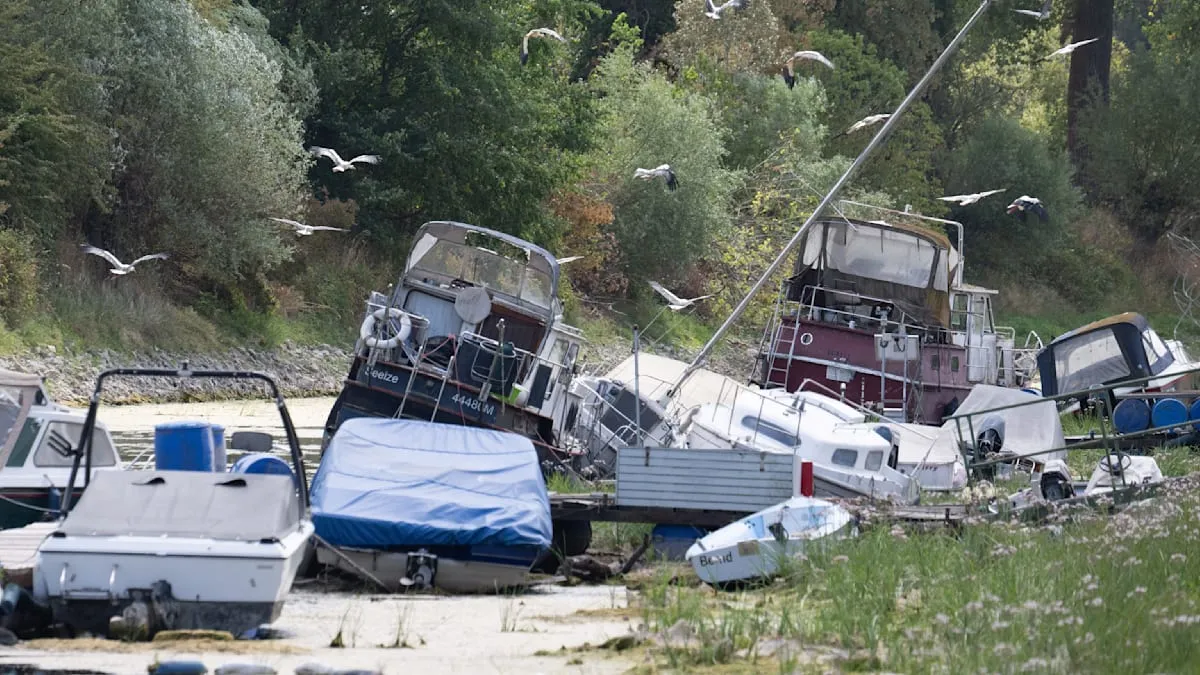
DUISBURG – Europe faces a significant economic crisis threat again in 2026. The water level of the Rhine River, one of the continent's most crucial transport arteries, is reportedly at an extremely low point. This condition has directly forced several companies in Germany and neighboring countries to cut their production, raising widespread concerns about supply chain stability and the regional economy.
This drop in water levels is not merely a common natural phenomenon but a severe blow to the industrial sector, which heavily relies on the waterway to transport raw materials and finished products. The Rhine serves as the backbone for medium-sized companies, which Gitta Connemann, Chairwoman of the Mittelstands- und Wirtschaftsunion, describes as the 'raw material veins of medium-sized businesses'.
Connemann emphasized the urgency of the situation by calling for swift government action. What we need is a nationwide lifting of the Sunday driving ban for trucks, she stated. This request reflects the critical need for shifting to road transport to cover the capacity deficit caused by the low Rhine water levels.
The economic reliance of Germany and its neighboring countries on the Rhine is immense. This waterway connects major Dutch ports, such as Rotterdam, with densely industrialized regions in Germany, Switzerland, and France. Fuel, chemicals, grains, and coal are some of the critical commodities regularly transported via this river.
When cargo ships are unable to navigate the river with full loads, or even run aground, logistics costs skyrocket dramatically. Companies are forced to seek more expensive alternative transport methods, such as rail or trucks, which also have limited capacity and infrastructure.
Gitta Connemann, representing thousands of small and medium-sized enterprises (SMEs) that form the backbone of the German economy, highlighted that the impact extends far beyond mere financial losses. It touches the core of companies' operational sustainability and their ability to meet market demand.
The lifting of the Sunday truck driving ban, if approved, would provide much-needed additional flexibility. This policy would allow goods deliveries to continue, albeit at a higher cost, at least easing pressure on supplies that are now threatened with paralysis.
However, this proposal also sparks debate regarding sustainability and environmental impact. While a short-term solution, increased reliance on road transport could potentially boost carbon emissions, contradicting Europe's long-term climate targets.
The phenomenon of the Rhine's low water levels has become more frequent in recent years, a clear indication of global climate change. Rising temperatures and erratic precipitation patterns worsen the river's hydrological conditions, making it a recurring structural challenge for the European economy.
This crisis also tests the resilience of the wider German economy, amid broader debates concerning productivity and fiscal policy. Failure to address fundamental logistics constraints could exacerbate existing challenges.
The German government, currently grappling with complex internal political dynamics, is urged to formulate comprehensive solutions promptly. This includes not only emergency responses but also long-term strategies for climate change adaptation and diversification of logistics supply chains.
Without swift and strategic intervention, the potential economic damage caused by the Rhine water crisis could spread widely, affecting consumers, producers, and global markets. The availability of goods and price stability are key stakes in this hydrological gamble.
Editorial Insight:
The Rhine water level crisis of 2026 once again highlights Europe's economic vulnerability to environmental factors. The call to lift the Sunday truck ban is a clear indicator of the severity of the current logistics situation. However, this solution is merely a bandage. Governments urgently need to invest in more sustainable alternative logistics infrastructure, such as electric railways, and consider long-term climate adaptation measures to mitigate recurring risks in the future. Delays could harm Europe's reputation as a stable and efficient industrial hub. The focus must shift from reactive solutions to visionary proactive strategies.