 Edward DP Situmorang
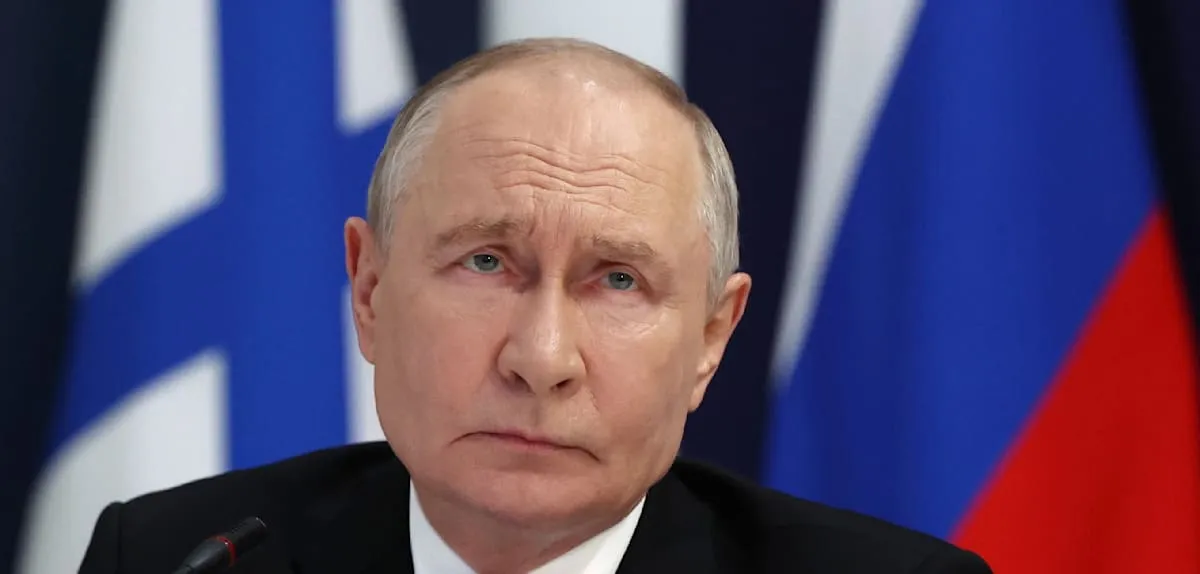
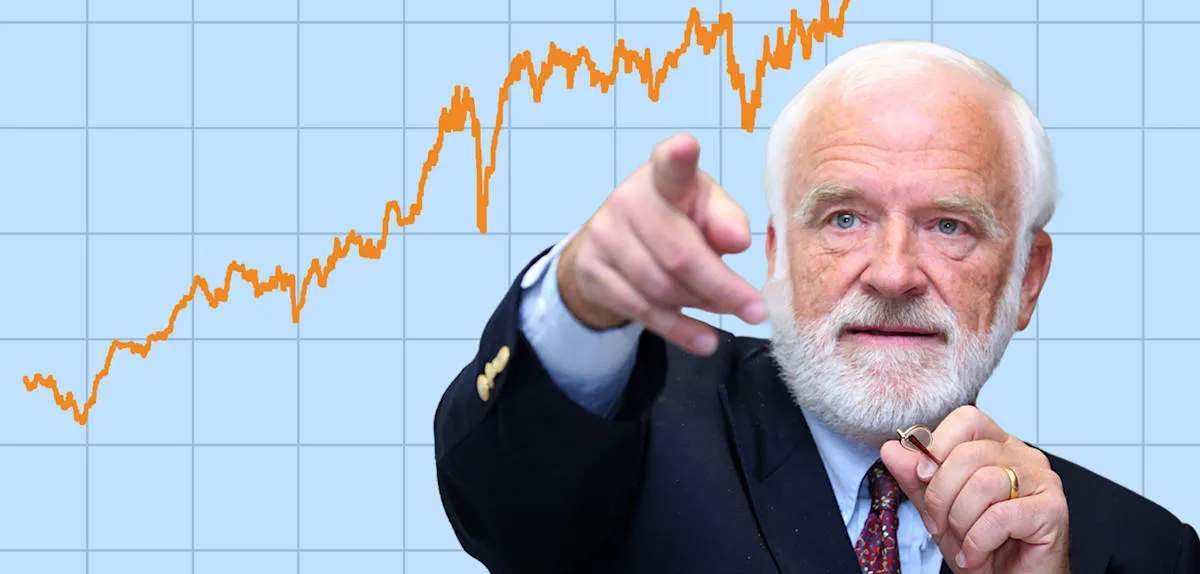
MOSCOW – A chief economist at the giant Russian state-owned company, VEB.RF, was recently dismissed from his position. This dismissal occurred after he publicly predicted Ukraine's economic resilience and the potential for an economic crisis in Russia, sparking widespread speculation about political pressure 'from above' amid the ongoing geopolitical conflict in 2026.
Internal sources state that the senior economist, whose name has not been released, shared his controversial views during a closed forum. However, his statements leaked to the public, highlighting a stark divergence from the official Russian government narrative regarding national economic stability and the prospects of the conflict.
The predictions included an assessment that Ukraine's economy would be able to withstand the turmoil of war and even show signs of recovery, a striking contrast to Moscow's projections. At the same time, he highlighted that Russia, under international sanctions and continuous wartime pressure, was heading towards a period of significant economic upheaval.
VEB.RF, as a state development bank, plays a crucial role in the Russian economy, often involved in strategic government projects. The position of chief economist in such an institution is highly sensitive, and views that deviate from the official line can have serious consequences.
Anruf von oben or a call from above is a phrase used to describe high-level political instructions or pressure that led to the dismissal. This indicates that the decision to remove the economist was not solely based on professional performance, but rather political intervention.
This incident underscores the increasingly restrictive climate against dissenting opinions or analyses that do not align with state interests in Russia. Experts observe that freedom of expression, especially on sensitive issues like the economy and conflict, continues to erode within government and quasi-government institutions.
The geopolitical conditions of 2026 are still marked by tensions in Eastern Europe. News such as 'Moscow Hit by Ukrainian Drones, NATO Shoots Down Russian Plane in Romania!' and 'Panetta: Russia Ready to Test German Defenses, NATO at its Weakest Point!' indicate that security remains a top priority.
In this context, economic predictions that touch upon internal weaknesses or an opponent's resilience can be perceived as actions undermining morale and public trust in the state's leadership. Therefore, this dismissal can be seen as an attempt to control the narrative and public perception.
International observers argue that this event is not just about an individual losing their job, but about a broader message. This message highlights how differing interpretations of data or objective analysis can be met with repressive responses when they intersect with strategic political interests.
The credibility of economic data published by Russian institutions may also be questioned if their economists feel threatened for providing honest analysis. This could potentially complicate data-driven decision-making in the future.
This dismissal may indirectly send a signal to other professionals in the public and private sectors to be more cautious in expressing views that might be deemed unpatriotic or counter-productive to government policies. This condition could hinder long-term economic growth and innovation.
Editorial Insight: The dismissal of VEB.RF's chief economist is not merely a routine personnel incident; it is a stark indicator of how Moscow seeks to control every narrative, especially those related to the economy and the Ukraine conflict. When economic truth confronts political interests, politics often prevails, sacrificing objective analysis to maintain narrative stability. The implications include a lack of transparency and potential misinformation that is detrimental both to Russia itself and to the international community trying to understand the country's internal dynamics. This represents a significant blow to academic and intellectual freedom within state institutions.