 Edward DP Situmorang
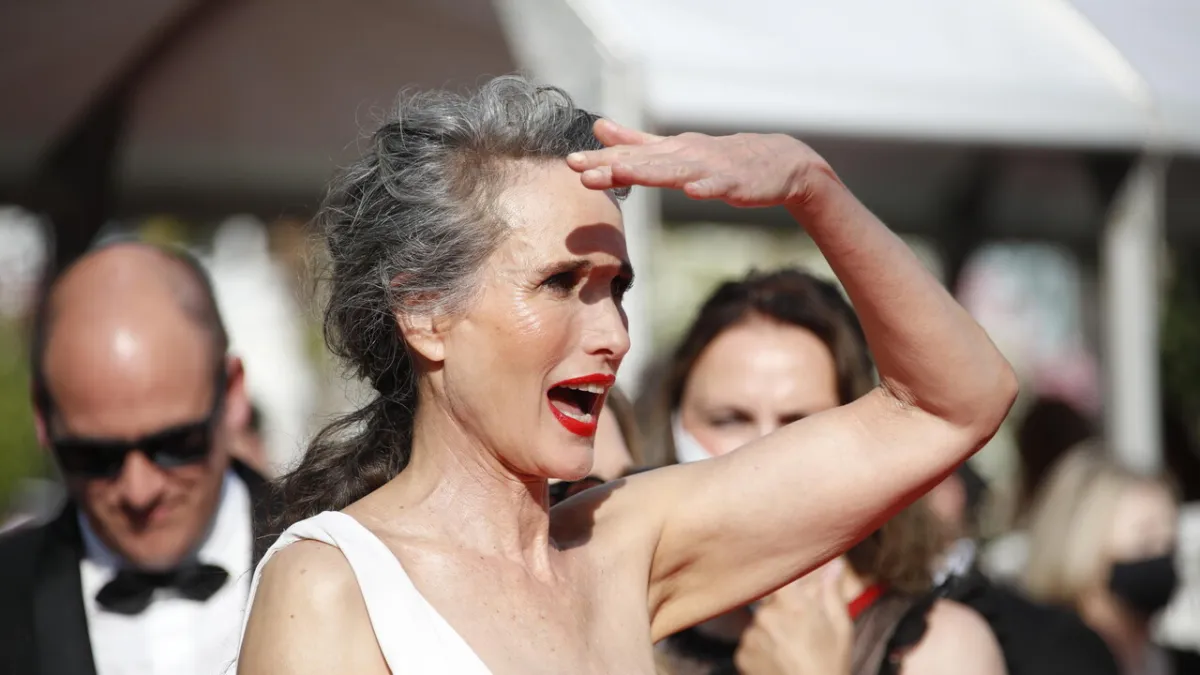
ROME – A new wave of self-acceptance is sweeping across various parts of the world in 2026, marked by an increasing number of individuals, particularly women, openly choosing to celebrate their gray hair. This phenomenon, dubbed the Silver Age, represents a strong desire to live freely, shedding societal pressures to maintain a youthful image, and redefining conventional beauty standards. Why is this trend so relevant now, and what are its implications for the global beauty industry?
The transition to natural hair, specifically gray, is more than just an aesthetic choice; it is a philosophical statement about personal freedom. These individuals, often those past middle age, reject the notion that appearance must always be tied to a youthful image. They believe that aging is a natural process worthy of celebration, not concealment.
This movement is clearly visible on social media, with hashtags like #SilverSisters and #GrayHairDontCare flooding timelines, showcasing inspiring photos of confident individuals with their silver locks. These online communities support each other, share tips for gray hair care, and reinforce the narrative that gray hair symbolizes wisdom and experience.
For decades, the beauty industry has promoted hair dyes as the primary solution to mask signs of aging. This pressure, especially on women, created a relentless cycle of continuous hair dyeing, which was not only time-consuming and expensive but also potentially damaging to hair health. The Silver Age offers a liberating alternative.
This paradigm shift is beginning to shake the foundations of the beauty industry. Several brands are now responding by introducing specialized hair care products for gray hair that focus on its natural health and luster, rather than just covering it up. This demonstrates market adaptation to increasingly discerning and self-aware consumers.
Sociologist Dr. Arini Putri from Gadjah Mada University describes this phenomenon as a manifestation of increasing awareness of identity and self-authenticity. 'Modern society, especially older generations, is becoming bolder in challenging established norms. Gray hair becomes a flag of personal freedom, a declaration that self-worth does not correlate with age,' she explained in an interview.
Beyond just appearance, the decision to stop dyeing hair often goes hand in hand with other authentic lifestyle choices. Many report increased self-confidence, reduced stress levels, and greater happiness after making this transition. They feel more honest with themselves and their surroundings.
For those considering this transition, experts offer several tips. First, patience is key, as the process of growing out gray hair naturally takes time. Second, investing in hair care products specifically designed for gray hair can help maintain moisture and prevent yellowing. Third, do not hesitate to experiment with new hairstyles to accentuate the natural texture and color.
The Silver Age fundamentally alters the narrative of beauty. Beauty is no longer measured by the absence of wrinkles or artificial hair color, but rather by the courage, authenticity, and self-confidence that radiates. It is a celebration of life at every stage, an ode to the wisdom that comes with age.
With growing support and appreciation for natural beauty, the Silver Age trend is predicted to continue strengthening. This signals that global society is increasingly valuing diversity and authenticity, moving beyond rigid standards that once dominated the industry.
Editorial Insight:
The Silver Age phenomenon is not merely a fleeting trend but an indicator of a deeper cultural shift. It reflects a growing collective awareness of the impact of unrealistic beauty standards on mental health and self-image. Moving forward, the pressure on the beauty industry to be more inclusive and authentic will intensify, driving product innovation that supports natural beauty rather than concealing it. This marks a step forward towards a society that is more accepting and celebratory of every stage of life.