 Robert Andrison
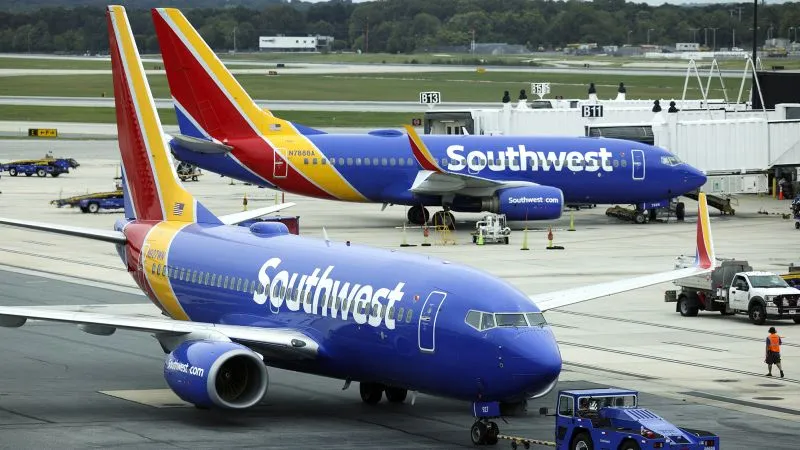
DALLAS – Following significant disruption that crippled its operations, Southwest Airlines has finally announced the resumption of flights across its network. A large-scale technical glitch that occurred recently triggered thousands of delays and cancellations, causing widespread frustration among passengers and damaging the airline's reputation.
This incident has drawn sharp attention, highlighting the fragility of the technological infrastructure supporting the modern aviation industry. Southwest's internal systems reportedly experienced malfunctions in the early hours of the incident, impacting scheduling, booking, and even inter-crew communication systems.
A Southwest Airlines spokesperson stated that technical teams worked tirelessly to identify the root cause and implement solutions. Our top priority is the safety of passengers and crew, and ensuring the quickest possible operational recovery while minimizing further impact, the representative remarked.
Thousands of passengers were stranded at various airports across the United States, facing uncertainty and sudden changes to their travel plans. Long queues at customer service counters and a lack of information became common sights, adding pressure on both the airline and its passengers.
This incident is not the first for a major airline, serving as a reminder of the importance of continuous investment in the upgrade and redundancy of advanced IT systems. Technology reliability is the backbone of operations, and even a minor failure can trigger a detrimental domino effect.
While Southwest grappled with its technical woes, the global aviation industry showed diverse dynamics. Delta Air Lines, one of its main competitors, reported record bookings for the summer 2026 travel season. This data indicates a continued surge in post-pandemic air travel demand.
Delta's achievement underscores renewed consumer confidence in air travel, as well as demonstrating an effective strategy in anticipating market needs. This increase in passenger numbers is expected to support the airline's profitability amidst global economic challenges.
In the context of aviation law, significant developments also occurred. Air France and Airbus were recently acquitted in a trial concerning a 2009 plane crash. This verdict concludes a long and complex legal saga regarding responsibility for the AF447 tragedy.
The crash of Air France Flight 447, which killed 228 people en route from Rio de Janeiro to Paris, has been one of the most intricate air accident investigations in history. The Paris appeals court's decision acquitted both entities of involuntary manslaughter charges, highlighting the complexity of factors in aviation incidents.
This acquittal marks a crucial moment for both aviation giants, although it does not diminish the grief for the victims' families. The ruling affirmed that there was insufficient evidence to directly attribute criminal fault to either Air France or Airbus in the tragic incident.
Editorial Insight:
The system disruption experienced by Southwest Airlines in early 2026 serves as a stark reminder of the importance of cyber resilience and robust technological infrastructure in vital sectors like aviation. As the world becomes increasingly digitally integrated, the risk of system failures grows, and their impact widens. Meanwhile, Delta Air Lines' record bookings highlight the travel market's resilience and growth potential, despite accompanying operational challenges. On another note, the acquittal of Air France and Airbus in the AF447 tragedy marks a new chapter in aviation law, where determining responsibility is often more complex than it appears. Moving forward, investment in technology and risk mitigation will be key to the sustainability and public trust in the aviation industry.