 Gabriella
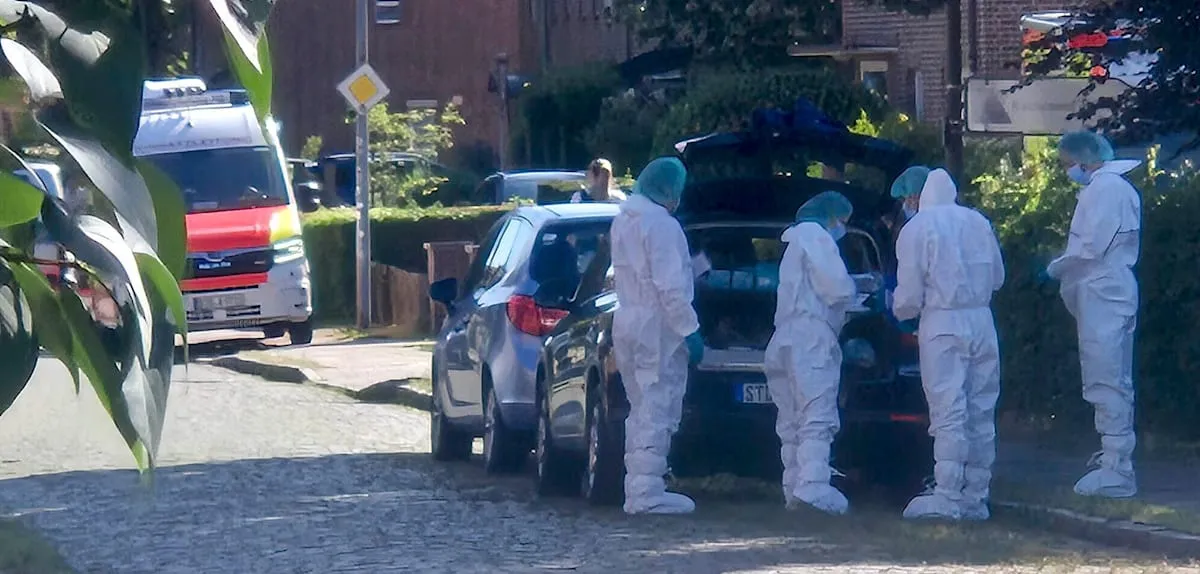
STADE – A pervasive question hangs in the air, casting serious doubts on the integrity of law enforcement in Germany, particularly in the Stade region of Lower Saxony. An enigmatic, unresolved case is allegedly being hindered by political sensitivities, especially with local elections (Pilkada) fast approaching. Public suspicion that the investigation process is not proceeding consistently due to political maneuvering urgently requires clarification.
The lack of clarity surrounding the incident in Stade has triggered widespread concern among the public and political observers. They question whether the highest principles of justice are being upheld or, instead, are being eroded by heated electoral interests. This issue has become a sharp focal point, potentially influencing voter perceptions of the candidates and parties vying for power.
To date, the details of the case remain shrouded in secrecy, despite its profound impact. Transparency activists and civil society organizations are calling for authorities to disclose all data and facts without interference. This demand aims to ensure that justice is not only served but also appears clear and transparent to every citizen.
The local elections in Lower Saxony are known to be highly competitive, often serving as a barometer for broader political trends in Germany. In this context, any issue with sensitive political dimensions can become either ammunition or a boomerang for contestants. The Stade case, with all its mystery, is now one of the factors that could significantly alter the local political landscape.
Some observers suggest that the delay or lack of transparency in handling this case might be an attempt to avoid negative repercussions for specific candidates or the ruling coalition. If these suspicions prove true, it would set a damaging precedent for the democratic system, undermining public trust in both legal and political institutions.
In Germany's current political dynamic, issues concerning democratic integrity and transparency are often subjects of heated debate. Professor Jan-Werner Muller, a prominent political expert, once asserted that true democracy requires more than just elections. He warned that the existence of elections does not automatically guarantee a healthy democracy if accountability and transparency are neglected. This is highly relevant to the current situation in Stade.
Similar situations occasionally arise in various parts of the world, where politics frequently intersects with legal processes. However, in a country that upholds the rule of law as firmly as Germany, such suspicions demand a swift and decisive response from authorities to maintain credibility.
Community leaders and local opinion-makers have voiced their concerns. They urge that the investigation proceed with unwavering professionalism, regardless of the political implications that may arise. The credibility of the Lower Saxony elections is also at stake if this case is not handled thoroughly and transparently.
Local police and prosecutors are expected to demonstrate their independence by presenting facts objectively. This is not merely about resolving a case; it is also about safeguarding the foundations of democracy and rebuilding public trust in their justice system.
Editorial Insight:
The Stade case underscores the perennial challenge of balancing political interests with the enforcement of law. Any indication of political interference in an investigative process is a serious alarm for democracy. Both local and federal governments in Germany must act proactively to dispel all doubts, ensuring that justice is never a casualty of political maneuvering, especially during crucial moments like local elections. Transparency and accountability are the only paths to restore public trust and maintain the legitimacy of institutions. Otherwise, this dark shadow will continue to loom over Lower Saxony's political landscape.