 Demian Sahputra
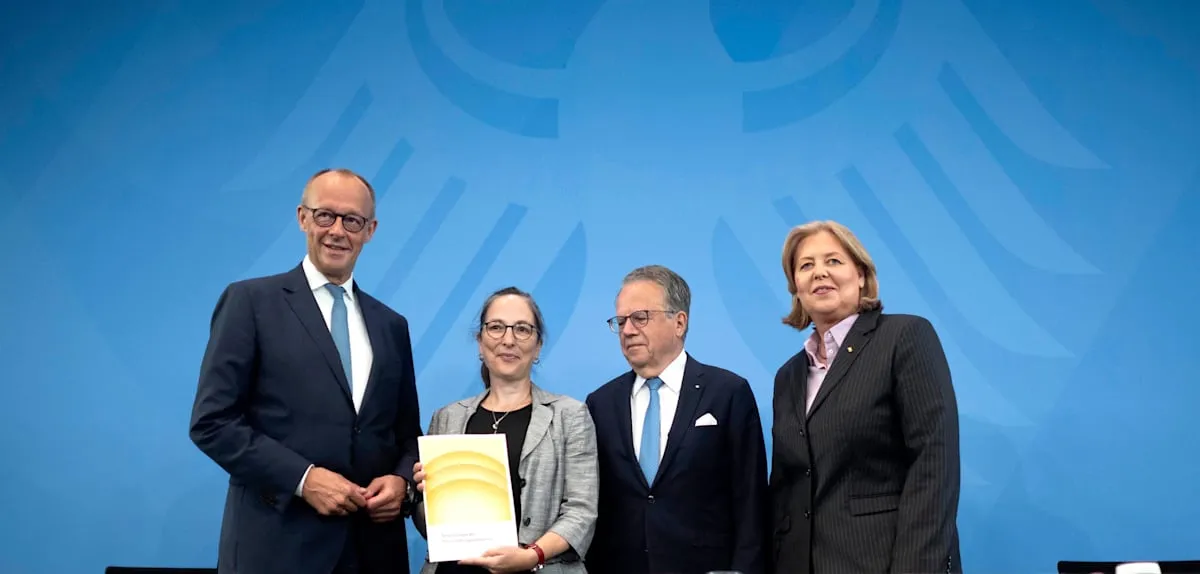
BERLIN – The German government's plan to abolish the popular early retirement scheme, known as 'Rente mit 63', is facing a massive wave of public rejection. A recent survey reveals that two-thirds of respondents vehemently oppose the policy, while more than half still hope to utilize the early retirement option themselves.
The proposed policy by the ruling coalition in 2026 has triggered public sentiment described as a 'dramatically bad mood' across the nation. This is a clear indication of a significant disconnection between the government's agenda and the aspirations of its citizens, especially concerning their social security future.
The survey institute noted that the rejection is not limited to the abolition of 'Rente mit 63'. A majority of the public also expressed objections to the planned social contributions on mini-jobs, which is perceived as an additional burden on low-income workers.
"The public views this policy as a double blow to their financial security in old age and in their daily employment," stated Dr. Anja Weber, a prominent social economist, commenting on the surprising survey results. "A feeling of uncertainty and injustice now surrounds many families in Germany."
The government's plan to reform the pension system comes amid demographic pressures and economic sustainability challenges. However, the chosen method, particularly the removal of a long-standing entitlement scheme, has instead triggered an intense backlash.
Key Public Rejection Points:
- Two-thirds of respondents (approximately 66%) reject the abolition of 'Rente mit 63'.
- As many as 56% of total respondents expressed a desire to utilize this early retirement option in the future.
- A majority also rejects the planned social contributions on 'mini-jobs'.
The rejection of this policy reflects deep concerns about personal economic stability. Many German citizens, especially those approaching retirement age, have planned their futures based on the existing scheme.
The debate over early retirement is not new in Germany. Previous articles, such as "Germany Faces Pension Crisis: Longer Work Life a Solution or a Nightmare?", have highlighted the complexity of this issue. However, the current level of rejection places the government in a very difficult position.
Political analysts predict that if the government insists on proceeding with these plans without significant concessions, it could trigger greater political turmoil. A massive loss of public support could threaten the stability of the ruling coalition.
Editorial Insight:
This situation underscores the acute challenges facing the German government in balancing economic reform needs with social sensitivities. The dramatic public rejection is not merely a statistical figure but a reflection of deep-seated anxieties about the future. The government needs to reconsider its communication strategy and policy substance to avoid widening the trust gap with its citizens. Ignoring the majority sentiment could have serious long-term political consequences, potentially triggering large-scale demonstrations and shifting the political landscape ahead of the next elections.