 Demian Sahputra
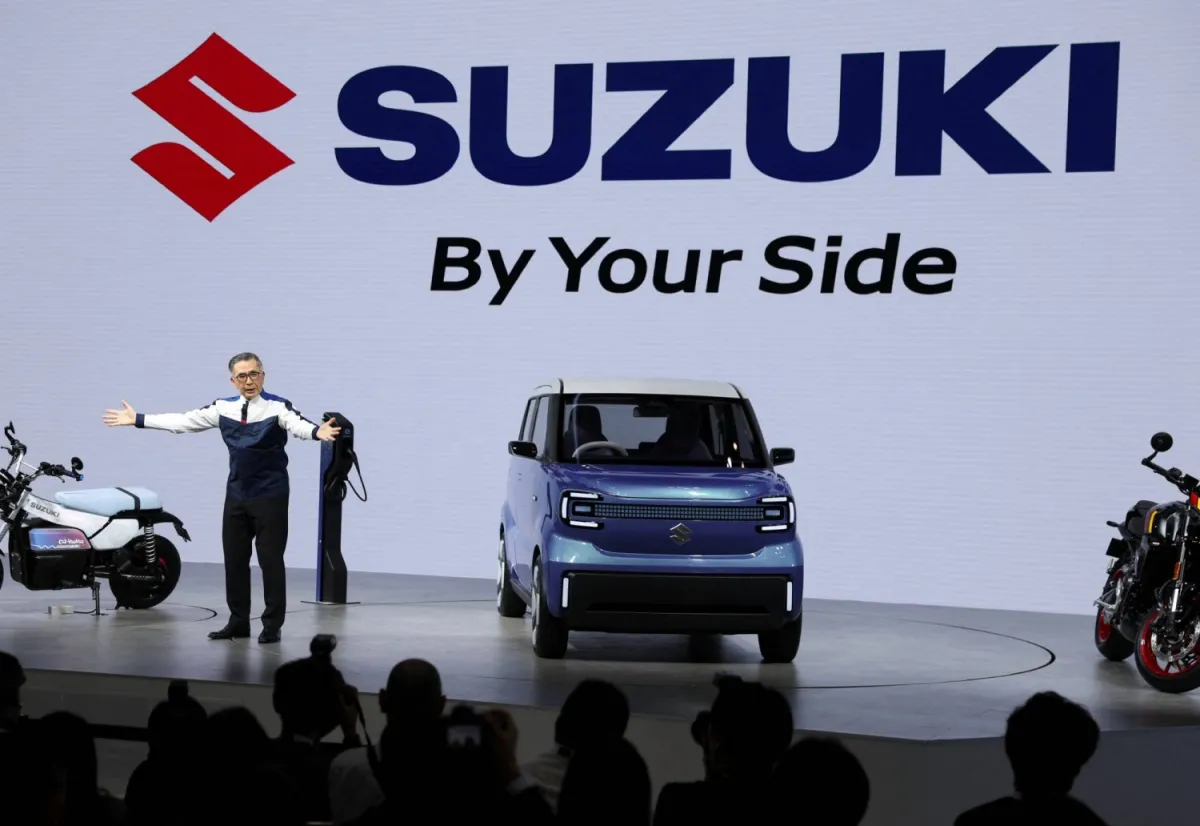
TOKYO – Suzuki Corporation, the Japanese automotive giant, has announced its ambitious plan to commence domestic production of electric vehicle (EV) batteries without relying on rare metals. This strategic move in 2026 aims to mitigate procurement risks for materials historically heavily dependent on imports, simultaneously solidifying Suzuki's position at the forefront of global battery technology innovation. Domestic production serves as a direct response to global commodity market volatility and geopolitical pressures.
Suzuki's decision to produce rare metal-free batteries represents a proactive response to critical challenges within the global supply chain. For years, Japan, like many other developed nations, has heavily relied on importing essential materials for battery production, such as cobalt and nickel, whose sources are often concentrated in specific regions. This dependency creates significant vulnerability to price fluctuations and supply disruptions.
This initiative is projected to have multifaceted impacts. From an economic perspective, self-sufficient production is expected to substantially drive down battery manufacturing costs, ultimately making electric vehicles more affordable for consumers. Supply stability for materials also ensures smooth mass production, avoiding delays often caused by logistics issues or raw material scarcity.
Industry analysts view Suzuki's step as a catalyst for innovation across the automotive sector. By eliminating the need for rare metals, Suzuki not only reduces the environmental footprint of EV batteries but also paves the way for the development of new, more sustainable technologies. This has the potential to redefine future standards for electric vehicle battery production.
The ability to domestically produce batteries, free from reliance on rare metals, is key to a more stable and sustainable future of mobility, stated an anonymous automotive industry expert. This move will strengthen Japan's competitiveness in the global automotive arena.
Increased domestic battery production also aligns with the Japanese government's policy to enhance technological self-sufficiency and reduce exposure to geopolitical risks. Japan continues to foster innovation in the energy and automotive sectors as part of its long-term economic growth strategy.
This new business model also allows Suzuki to exert greater control over battery quality and production processes, from start to finish. This is crucial for ensuring high safety and performance standards, two fundamental aspects highly valued by electric vehicle consumers.
Naturally, the challenges will be considerable. Developing entirely rare metal-free battery technology requires substantial investment in research and development, along with extensive testing to ensure efficiency and durability. However, Suzuki's commitment demonstrates strong confidence in their engineering capabilities.
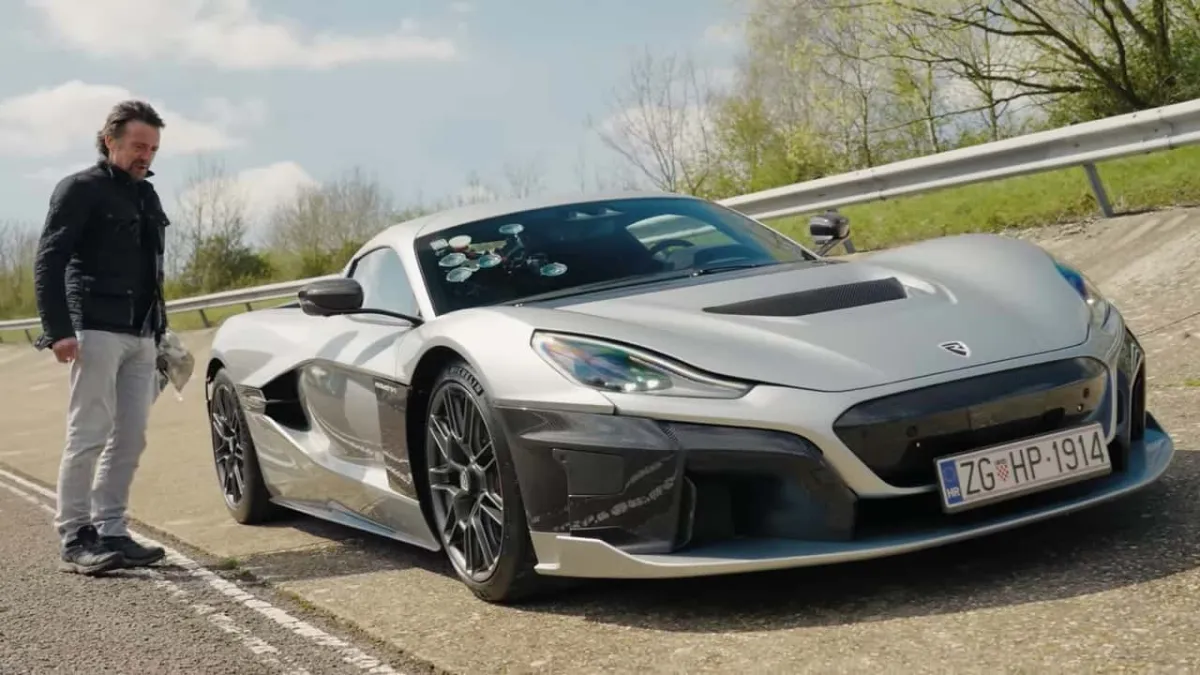
This move also highlights how rapidly the global automotive industry landscape is changing. While some manufacturers focus on performance enhancements or design, Suzuki has chosen a more fundamental path: addressing the root cause of supply chain issues. The spectacular resurgence of the TVR Griffith in 2026 and Gordon Murray's supercar overhaul in the same year exemplify the wave of innovation across various automotive segments.
Looking ahead, the successful implementation of Suzuki's strategy will serve as a crucial case study for the entire industry. If proven effective, it could trigger a paradigm shift where automotive manufacturers prioritize supply chain independence and raw material innovation over merely focusing on final assembly.
This is not merely about producing batteries; it is about creating a more resilient and sustainable production ecosystem capable of adapting to ever-changing global market dynamics. This innovation positions Suzuki as a key player in the global energy transition and the future of electric vehicles.
Editorial Insight:
Suzuki's decision to domestically produce rare metal-free EV batteries is a shrewd and bold strategic maneuver. Beyond reducing reliance on vulnerable supply chains, this step also has the potential to create a long-term competitive advantage through sustainable innovation. If successful, this strategy could compel other manufacturers to re-evaluate their business models and accelerate the adoption of alternative battery technologies, reshaping the competitive landscape of the global electric vehicle market in the coming years.