 Stefani Rindus
KOBE – The Kobe City Government recently introduced a potentially transformative fiscal policy proposal: the imposition of a tax on vacant condominium units. This move has drawn significant attention because, if enacted, it would be the first taxation regulation in Japan specifically targeting unoccupied condominium properties.
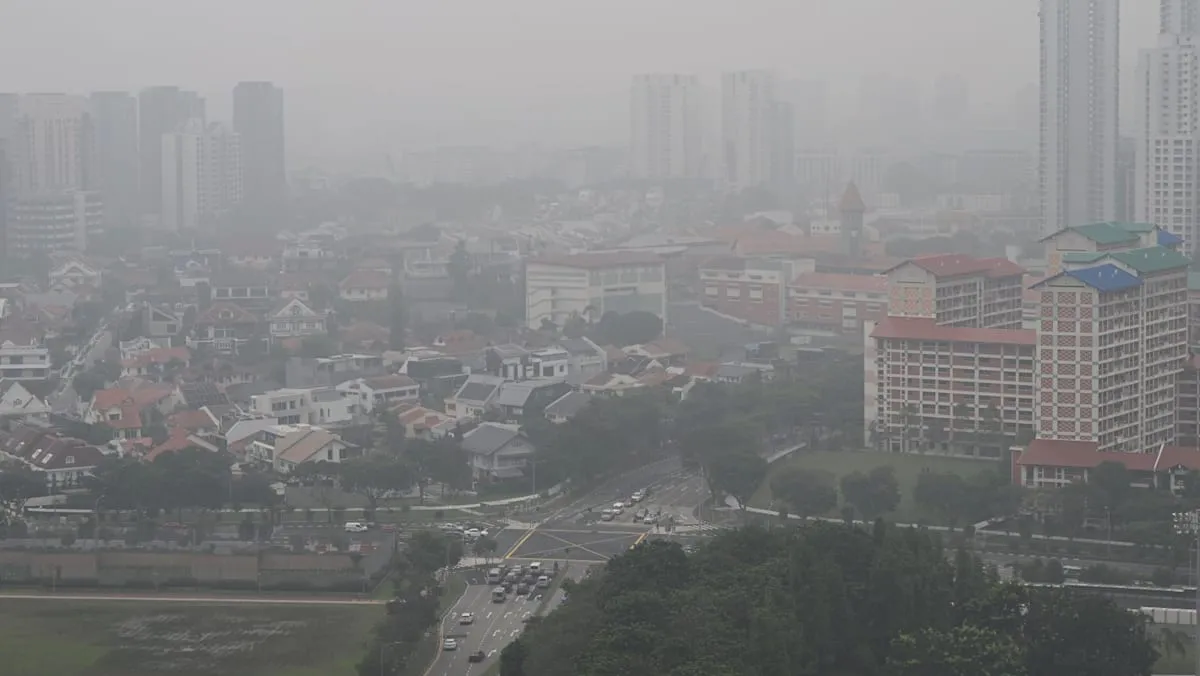
This draft policy emerges as a response to the complex phenomena of urbanization and the dynamics of the property market in major cities. A multitude of neglected or intentionally vacant residential units, often held by speculators, has created various social and economic problems, ranging from diminished neighborhood vitality to the wasteful use of urban resources.
City officials stated that the primary objective of this tax is to encourage owners to utilize their properties optimally. Whether through sale to those in need of housing or via rental, the policy is expected to reactivate assets that have long been unproductive.
Furthermore, this initiative is also seen as an effort to boost local revenue. Funds collected from the vacant unit tax can be allocated to finance public infrastructure, social services, or other urban development projects beneficial to the broader community.
While details regarding the tax rates and collection mechanisms are still under discussion, the idea has sparked intense debate among property developers, investors, and the general public. Some view it as a progressive and much-needed step, while others express concerns about its impact on the property investment climate.
Proponents of the policy argue that such taxes have been successfully implemented in several other global cities to control property speculation and increase the availability of affordable housing. They believe that Kobe can be an effective pioneer in Japan in addressing similar property challenges.
However, many critics also voice concerns that this tax could burden small property owners or those who have legitimate reasons for not occupying their units. There are also worries that it might deter new property investments in the city.
The legislative process for this proposal is expected to be lengthy, involving a series of public consultations and deliberations within the city council. The successful enactment of this policy will heavily depend on the government's ability to balance the interests of various parties and formulate fair and effective regulations.
The implementation of a vacant condominium tax in Kobe will serve as a test case for other Japanese cities facing similar issues. If successful, this model could potentially be adopted nationally, marking a fundamental shift in Japan's approach to property management and urbanization in 2026.
Editorial Insight:
The Kobe City Government's move is not merely an ordinary fiscal policy; it is a strong signal that Japan is serious about addressing the issue of vacant properties, which has long been a demographic and economic dilemma. With an aging population and ongoing urbanization, vacant properties in city centers reflect an imbalance. This tax, if implemented wisely, can stimulate the market, curb speculation, and direct investment into more productive sectors. However, transparency and clear exemption mechanisms will be crucial to prevent unintended negative consequences, especially for small property owners.