 Debby Wijaya
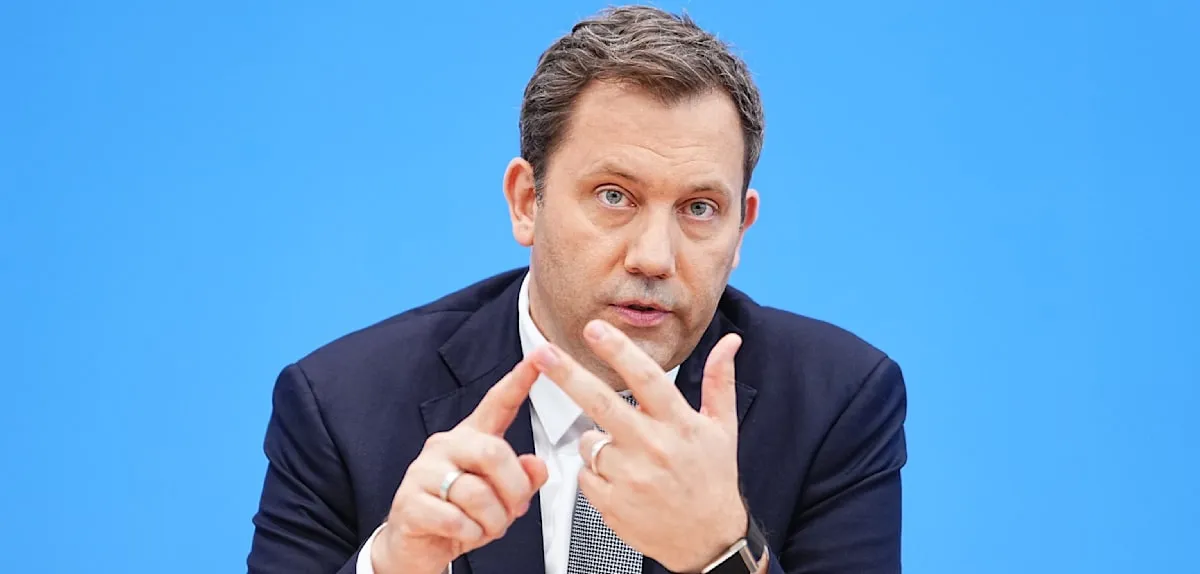
BERLIN – Proposed income tax reforms by German Finance Minister Klingbeil have sparked a wave of sharp criticism from various quarters across the nation. The German Taxpayers' Federation openly labeled the controversial proposal a 'poison list,' while a state leader from the CDU party denounced it as a 'breach of promise' that is unacceptable to the public in 2026.
This fierce rejection highlights the intense debate surrounding fiscal policy in Germany. Income tax reforms, which are supposed to create a fairer and more efficient system, are instead perceived as imposing new burdens on a large segment of society and the economy.
The German Taxpayers' Federation, an entity that consistently advocates for taxpayers' interests, stated that Klingbeil's proposal is 'inexplicable' and 'no reform at all.' They criticized the details within the draft, deeming them more akin to a 'gift list' or 'poison list' for taxpayers rather than an improvement scheme.
The phrase 'poison list' indicates that the proposal is seen as containing provisions that are detrimental or even dangerous to the financial stability of individuals and businesses. This criticism emerges amidst a still volatile global economic climate, demanding caution in the formulation of any fiscal policy.
Criticism has not only come from taxpayer groups but also from the political arena. A state leader from the Christian Democratic Union (CDU), the main opposition party, firmly called the plan a 'breach of promise' or 'Wortbruch'.
The term 'Wortbruch' refers to allegations that the proposed tax reform contradicts previous political promises or agreed-upon principles. This adds a political dimension to the economic debate, creating tension between the ruling coalition and the opposition.
Klingbeil, as the architect behind this plan, is now under immense pressure to explain the rationale and projected impact of the reforms he has put forward. Transparency and accountability are becoming key demands from the public and the opposition.
Initial analysis suggests that the main objections likely stem from the potential increase in the tax burden for the middle class or added bureaucratic complexity. Any changes in the income tax structure will certainly have broad implications for public purchasing power and business investment.
Given similar tensions in the past, such as the discussions surrounding German corporate tax which also drew condemnation against Klingbeil, this pattern of rejection indicates strong resistance to his fiscal approach.
This debate is not only crucial for Germany's economic future but will also test the government's ability to unify policy vision. Whether Klingbeil can convince critics or must entirely revise his proposal remains a significant question awaiting an answer from millions of German citizens.
Editorial Insight: The wave of opposition to Klingbeil's tax reform highlights the complexity and sensitivity of fiscal policy in a developed nation like Germany. The labels 'poison list' and 'breach of promise' are not just political rhetoric but reflect deep concerns about economic stability and social justice. If the government does not promptly find common ground or at least provide satisfactory explanations, fiscal credibility and public support could erode, potentially affecting Germany's political landscape in the long term.