 Edward DP Situmorang
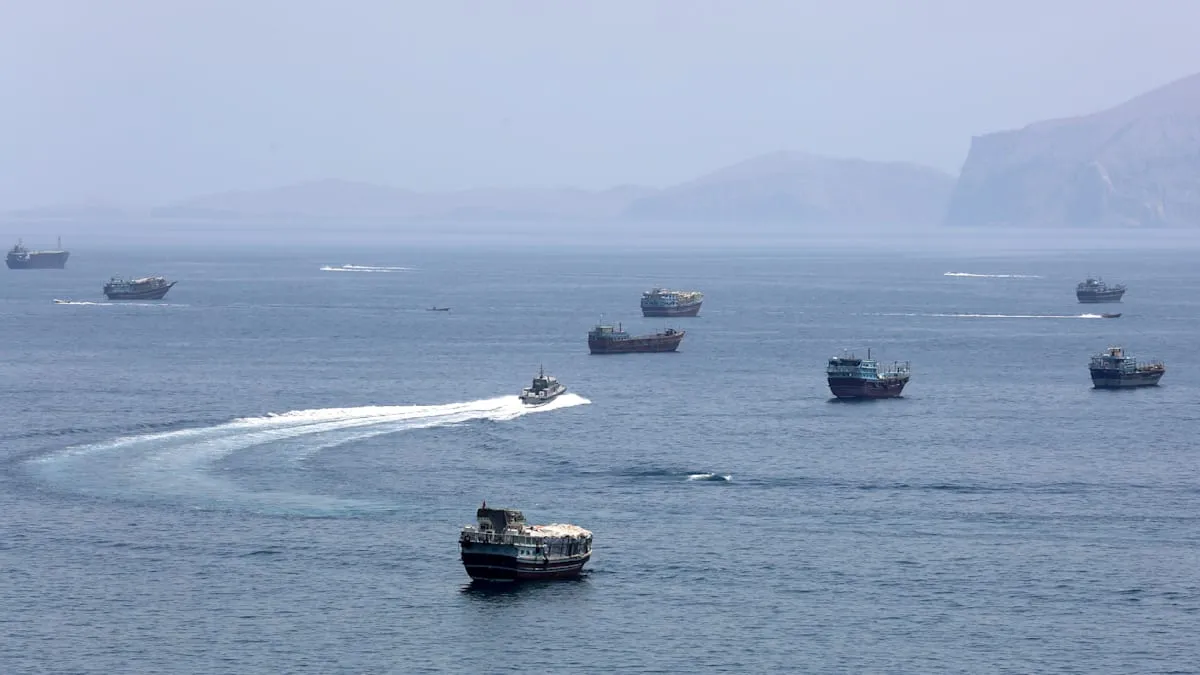
TEHRAN – Crucial negotiations between Iran and Oman regarding the reopening of the Strait of Hormuz, the world's most vital oil shipping lane, are reportedly nearing their final stages in early 2026. This development follows Tehran's firm presentation of a series of tough conditions to the United States, encompassing military troop withdrawal, compensation payments, and the complete lifting of economic sanctions. This agreement has the potential to reshape global energy dynamics and regional geopolitical stability.
The strategic Strait of Hormuz, connecting the Persian Gulf to the Arabian Sea, serves as the primary corridor for approximately one-third of the world's seaborne crude oil supply. Any closure or restriction of access would trigger oil price volatility and disrupt the global economy.
Iran's demands not only reflect historical tensions with Washington but also Tehran's strategy to maximize leverage from its dominant geographical position. Diplomatic sources in Muscat, Oman, indicate that the negotiations have been intense, with Oman serving as the key mediator recognized by both parties.
Iran's primary demands encompass three fundamental aspects:
- The withdrawal of United States military forces from the Gulf region. Tehran views the presence of US military bases in Gulf states such as Bahrain, Qatar, and the United Arab Emirates as national security threats.
- Payment of compensation for the economic losses Iran has suffered due to years of sanctions. Iran argues that the party imposing the sanctions should be held responsible for their impact.
- The complete lifting of economic sanctions that have crippled Iran's oil and financial sectors and limited the country's access to global markets.
Iran considers these three conditions as absolute prerequisites for normalizing relations and the full reopening of the Strait of Hormuz.
The United States administration faces a diplomatic dilemma. Acceding to Iran's demands could be perceived as a foreign policy setback, while refusing risks prolonging uncertainty in one of the world's most critical shipping lanes.
Regional geopolitical conditions also influence these negotiations. Lingering tensions in the Middle East, including proxy conflicts and power struggles, render every diplomatic step highly sensitive.
Historically, Iran has threatened to close the Strait of Hormuz in response to international pressure, particularly concerning its nuclear program. Such threats have consistently raised global concerns about an energy crisis.
Oman's role as a facilitator in the negotiations cannot be underestimated. The Sultanate of Oman has long been known as a diplomatic bridge in the region, maintaining good relations with both Iran and Western countries, making it an ideal party to mediate such a complex agreement.
The success of these negotiations would represent a significant diplomatic victory for Iran, affirming its bargaining position on the international stage. For the United States, it could be a path to de-escalate one of the most worrying geopolitical flashpoints, albeit at a cost.
The economic impact of the full reopening of the Strait of Hormuz is anticipated to be positive, with oil price stabilization and supply certainty. However, major questions remain regarding the extent to which Washington is willing to accommodate Iran's ambitious demands.
Editorial Insight: The reopening of the Strait of Hormuz under Iran's proposed conditions signals a significant shift in regional power dynamics. Should the United States agree to Tehran's demands, it would establish a new diplomatic precedent and potentially alter the security architecture in the Gulf. Conversely, refusal could deepen tensions and threaten global energy supply stability. Washington's decision will serve as a crucial test for its Middle East foreign policy in 2026.