 Chris Robert
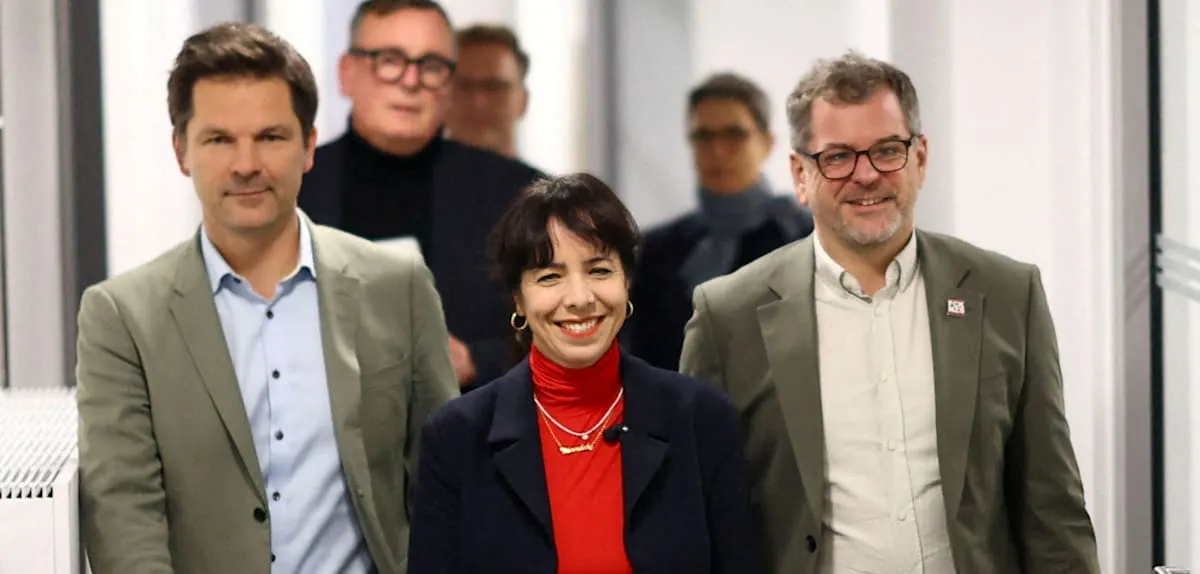
BERLIN – Germany's Social Democratic Party (SPD) and the Green Party are on the verge of a crucial decision that could shape the political landscape of the capital. Ahead of sensitive coalition negotiations, both parties have shown indications of paving the way for Die Linke (The Left Party) to the Red City Hall (Rotes Rathaus) in Berlin, a move that has immediately sparked a wave of resistance and sharp warnings from within their own parties.
This step signals a potentially significant shift in Berlin's governance, where a coalition with Die Linke, a party with democratic socialist and communist roots, has always been the subject of fierce debate. The concept of a political firewall—an ideological boundary separating moderate parties from the extreme wings—is now at the center of heated discussions among German politicians.
Die Linke, the successor to the Socialist Unity Party of Germany (SED) in East Germany, often holds positions considered radical, particularly on economic, social, and foreign policy issues. This raises concerns among conservatives and some moderate factions within the SPD and Greens, who worry about the potential impact of unconventional policies.
Internal sources from the SPD indicate a deep division of views. Some factions argue that cooperation with Die Linke is a pragmatic necessity to form a stable government, given the configuration of votes in the Berlin legislature. However, other factions voice strong objections, highlighting fundamental ideological differences that could erode the party's credibility.
Similarly, the Green Party also faces an internal dilemma. Although they share some platform commonalities with Die Linke on environmental and social justice issues, there are also concerns about Die Linke's positions, which sometimes conflict with liberal democratic principles and international relations, particularly regarding NATO and European Union policies.
A senior SPD official, who wished to remain anonymous, stated, If we talk about firewalls, then we also need one to guard against the left wing. Compromise is important, but there are boundaries that must not be crossed for the sake of principles. This statement reflects the widespread anxiety within the party.
Upcoming coalition negotiations are predicted to be among the most challenging in modern Berlin political history. The pressure to form a functional government confronts concerns about the city's stability and policy direction, especially given complex economic and social challenges, including the impact of potential European economic crises as discussed in the article Krisis Utang Eropa Mengancam: Defisit Prancis Picu Kegaduhan, Daya Beli Jerman Tergerus?.
This internal turmoil is not merely a power struggle, but also a reflection of a broader debate about the future of German politics and the ideological direction to be taken by mainstream parties. How the SPD and Greens navigate these obstacles will set an important precedent for coalition dynamics at the federal and other state levels.
The concerns also extend to public perception. Opponents of the coalition argue that an alliance with Die Linke could alienate moderate voters and provide ammunition for populist parties across the political spectrum to criticize ideological inconsistencies.
Political analysts predict that coalition negotiations in Berlin will be tough and full of drama. The ability of party leaders to manage internal dissent while finding common ground with Die Linke will be a true test of leadership. The outcome of these negotiations will not only determine Berlin's direction but also send a strong signal across the entire German political stage.
Editorial Insight: The SPD and Green Party's consideration of a coalition with Die Linke in Berlin highlights the political pragmatism that sometimes clashes with ideological principles. This situation demonstrates the complexity of government formation in an increasingly fragmented European political landscape. While there is a need for stability, the strong internal warnings from both parties underscore the risks of eroding public trust and potential significant shifts in policy direction. The success or failure of this coalition will be a critical indicator for the future of left-wing political alliances in Germany, as well as how major parties balance electoral needs and ideological integrity in 2026 and beyond.