 Robert Andrison
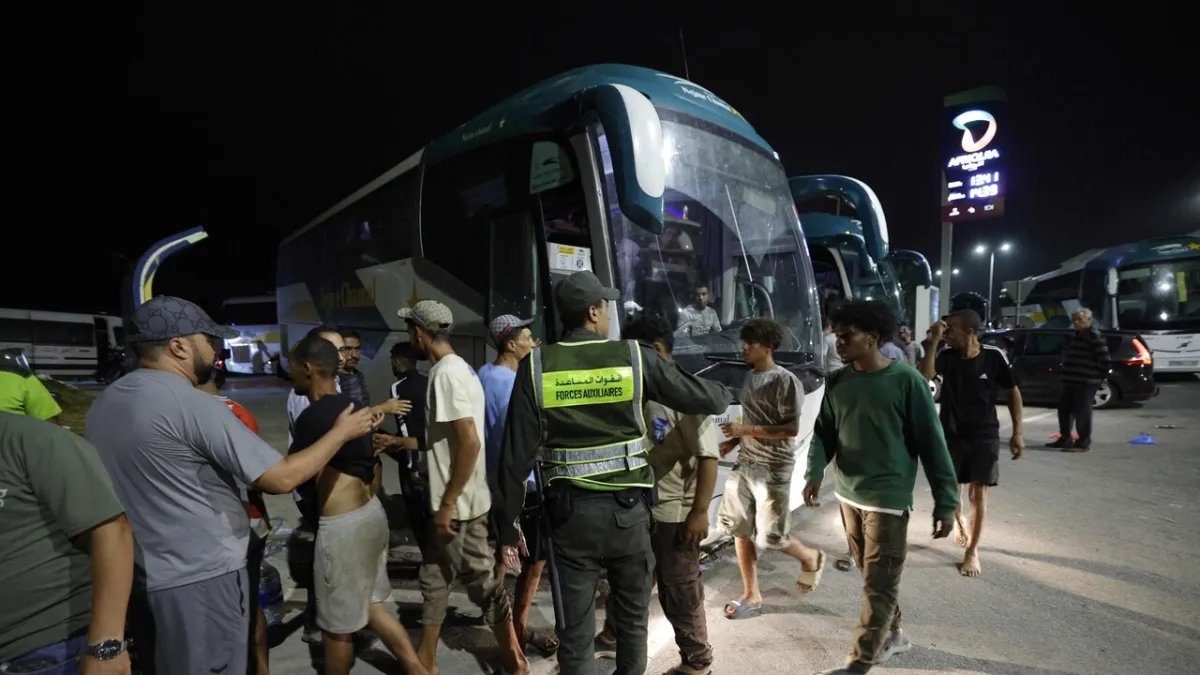
Ceuta — A night of intense tension gripped the Spanish enclave of Ceuta in North Africa last night, as a migrant was reportedly injured in a fierce brawl. This incident occurred amidst attempts by dozens of individuals camped outside the border to storm the area, forcing authorities to tighten security. This tragic development also worsened the grim record of casualties on the perilous migration route, with the death toll at sea now reaching at least 67 people.
Local security forces immediately responded to the clash, isolating the area around the migrant concentration point. Eyewitnesses reported commotion involving a large group of migrants who had gathered at the border for some time, awaiting an opportunity to enter European territory. The condition of the injured migrant has not been publicly detailed, but the incident underscores the fragile humanitarian situation at the border.
The migration crisis in Ceuta is not a new phenomenon. This enclave, along with Melilla, frequently serves as a main route for thousands of migrants from Africa seeking asylum or a better life in Europe. Intense migratory pressure has made Ceuta a crucial flashpoint for border invasions, with calls for decisive action resonating from various European parties.
In recent years, border patrols and prevention efforts have been significantly increased. However, the wave of arrivals shows no signs of abating, and has even intensified in 2026. The Spanish government faces a severe dilemma between humanitarian obligations and maintaining its territorial sovereignty.
The impact of this crisis also extends to other European Union countries. Italy, for example, reportedly considered implementing emergency border controls and even suspending the Schengen agreement with Spain due to the surge of migrants from Ceuta. Countries like Austria have also criticized Spain, accusing it of providing a "free ticket" into the European Union.
Similar tensions have occurred several times. Thousands of migrants repeatedly attempted to storm these Spanish enclaves, creating a very challenging situation for security forces. This condition illustrates the complexity of the problem, which involves not only law enforcement but also social and economic issues in the migrants' countries of origin.
Humanitarian organizations urge a more comprehensive approach, focusing not only on border security but also on the root causes of migration, such as poverty, conflict, and political instability in African nations. They emphasize the need for safe and legal corridors for asylum seekers to prevent tragic incidents at sea.
The tragedy of 67 deaths at sea serves as a poignant reminder of the risks faced by those who dare to cross perilous waters. Most of them use flimsy and unseaworthy boats, making the journey a life-threatening gamble. This number is expected to continue to rise if no long-term solutions are implemented.
The Spanish government, through its Ministry of Interior, has stated its commitment to cooperate with Morocco in managing migration flows. However, complex regional dynamics often hinder effective collaborative efforts. This situation demands stronger diplomatic and humanitarian solutions from the entire international community.
A European Commission spokesperson, who wished to remain anonymous, stated, "We continue to monitor the situation in Ceuta with great concern. Solidarity among EU member states is crucial, but so is the protection of our external borders and respect for human rights." This statement reflects the dilemma facing the bloc in 2026.
Last night's events in Ceuta once again affirm that the migration crisis is a multidimensional issue requiring a coordinated response. The focus must not only be on preventing entry but also on providing humane and safe pathways for the vulnerable, while addressing the root factors driving migration.