 Edward DP Situmorang
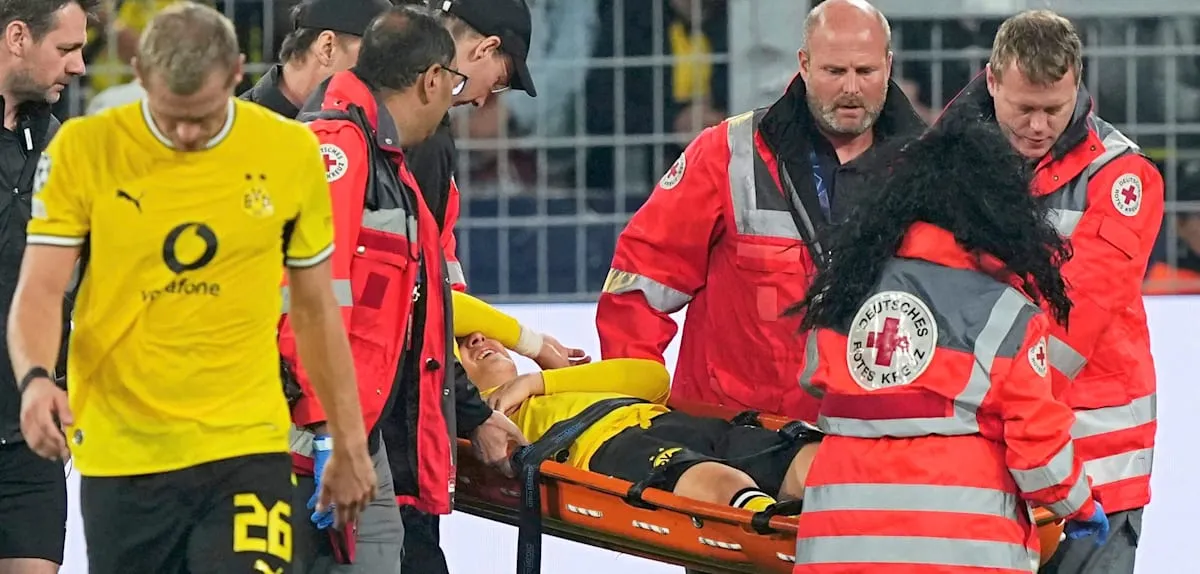
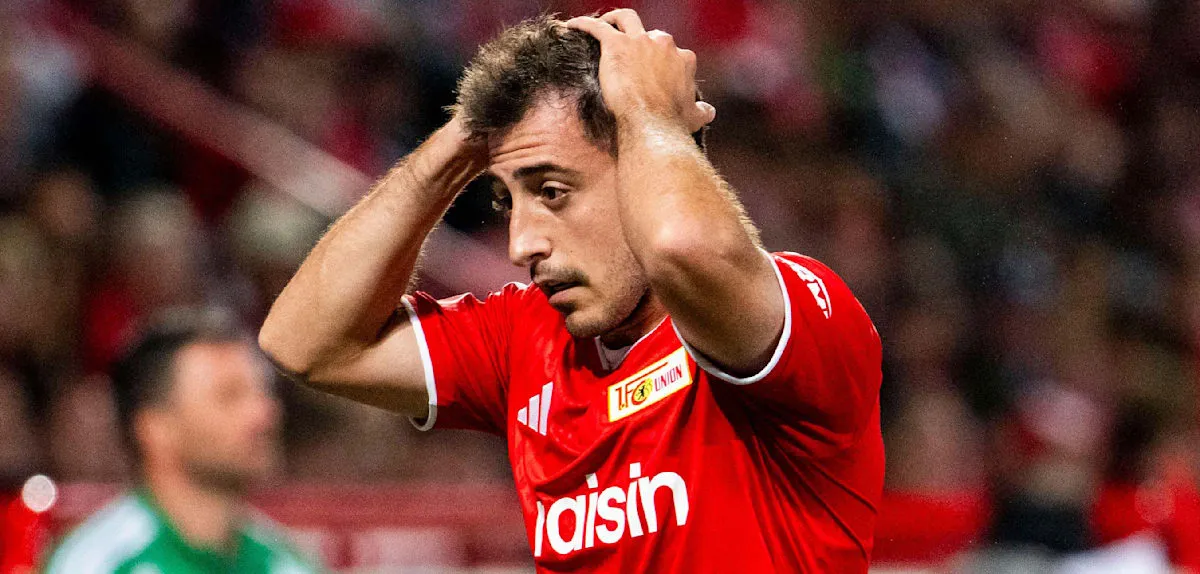
DORTMUND – The European football world was stunned following a shocking incident during the 2026 Champions League match between Borussia Dortmund (BVB) and Villarreal. Their young star, Konstantinos Karetsas, suddenly collapsed on the field, triggering serious panic from the BVB medical team and deep concern throughout the stadium.
The dramatic moment occurred in the second half of the match. Karetsas, who had previously displayed an energetic performance, suddenly lost his balance and fell without physical contact from an opponent. A dazed expression was clearly visible on his face just before collapsing, indicating a serious issue beyond a simple muscle injury.
Players from both teams immediately recognized the severity of the situation. The referee blew a long whistle, and all players momentarily stopped the game, waving their hands to call the medical team. BVB medical personnel rushed onto the pitch, bringing emergency equipment to assess the player's condition.
The BVB medical team acted swiftly. One doctor was heard giving urgent instructions to other medical staff to immediately carry the young player off the field. They were concerned about Karetsas' impaired consciousness, requiring further attention outside the playing area.
After several minutes of initial treatment on the pitch, Karetsas was finally carried off. He appeared to be crying, with both hands covering his face, a sight that added to the sadness and apprehension among the supporters filling Signal Iduna Park stadium.
A player substitution had to be made. This moment not only altered the dynamics of the match but also left major questions about the long-term health of one of the most promising talents in the BVB squad. Supporters applauded in support as Karetsas was escorted to the locker room tunnel.
The incident immediately became a hot topic across various social media platforms, with the hashtag #PrayForKaretsas trending. Many football fans from different clubs expressed their sympathy and prayers for Karetsas' recovery, showing solidarity in the face of misfortune on the pitch.
BVB management, through a brief statement after the match, confirmed that Karetsas was under intensive medical observation. They promised to provide updated information regarding the player's condition once detailed examination results were available. The primary focus currently is Karetsas' full recovery.
The head of BVB's medical team, Dr. Muller, in a brief press conference, stated, Our priority is to ensure Karetsas receives the best possible care. We are conducting a series of tests to comprehensively understand the cause of this incident. We hope he makes a full recovery and returns to the field soon.
Losing Karetsas, even temporarily, is a significant blow for BVB. This young player has been an integral part of the team's strategy, bringing energy and creativity to the midfield. His absence will undoubtedly test the depth of coach Edin Terzic's squad as they navigate the remainder of the Champions League season and domestic competitions.
This incident once again reminds the public of the physical and mental pressures faced by professional athletes, especially in high-stakes competitions like the Champions League. Strict health protocols in modern football are crucial to prevent similar incidents and ensure player well-being.
May Konstantinos Karetsas overcome this difficult period and soon return to strengthen Borussia Dortmund. Full support from the club, teammates, and millions of football fans worldwide will provide positive energy for his recovery process.
Editorial Insight:
The collapse of Konstantinos Karetsas is more than just a typical sports news item; it is an alarm reminding us of human fragility behind extraordinary athletic performance. In the high-pressure environment of elite competitions like the Champions League, the line between ambition and risk often blurs. Karetsas' case highlights the urgency for more in-depth routine medical examinations, especially for young players who may not have fully adapted to the highest levels of physical intensity. Clubs and football authorities must continue to invest in early detection technologies and rapid response for medical incidents on the field, to protect their greatest assets: the players.