 Angela Stefani
TOKYO – Masunaga, a death-row inmate whose specific identity was not further detailed but known as a key member of the East Asia Anti-Japan Armed Front, has reportedly died in Japan recently. His death marks the end of an era closely associated with a series of corporate terrorist acts that rocked the Land of the Rising Sun in the 1970s, although the exact cause of his death remains unclear amid public speculation.
Masunaga, who had been incarcerated for a long time awaiting execution, was known to be undergoing intensive medical treatment due to a cerebral infarction. His deteriorating health condition is strongly suspected to be a primary factor behind the news of his passing, but authorities have not issued an official statement detailing the conditions leading to his death or its final cause.
The East Asia Anti-Japan Armed Front was a radical group that emerged in Japan in the early 1970s. They espoused anti-corporate and anti-imperialist ideologies, believing that major Japanese corporations at the time were involved in exploitation and historical aggression.
The group launched a series of bomb attacks against the headquarters of prominent companies, including Mitsubishi Heavy Industries, Taisei Corporation, and Mitsui & Co. These actions aimed to shake Japan's economic and political structures, and to voice strong protests against foreign and domestic policies they considered oppressive.
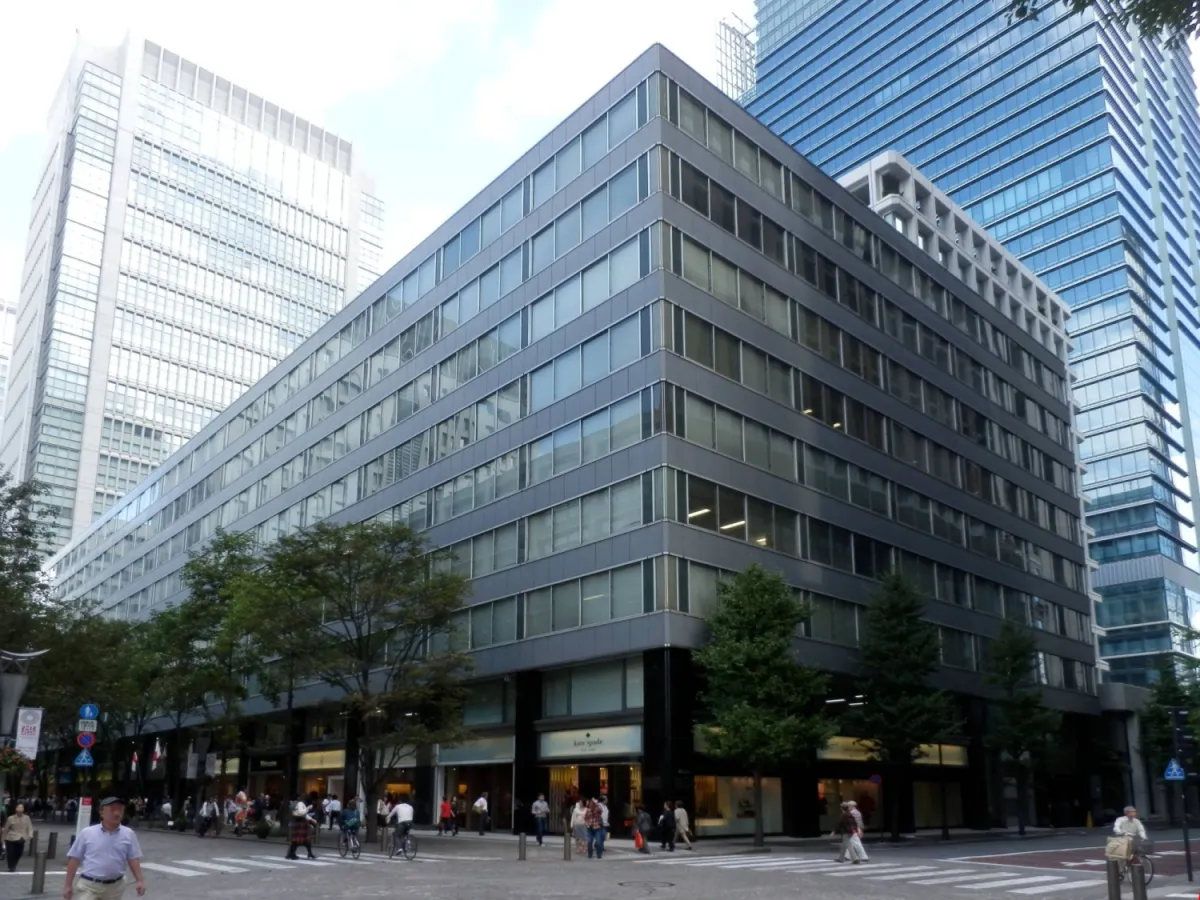
The most horrific moment occurred in August 1974, when a bomb exploded at the Mitsubishi Heavy Industries headquarters in Tokyo. The incident killed eight people and injured more than 300 others, sending shockwaves and fear across Japan.
Masunaga and several members of his group were arrested shortly after the incident. Their apprehension was one of the largest law enforcement operations in Japan at the time, ending the bomb terror that had haunted the capital for several years.
A lengthy and complex legal process followed the arrests. Masunaga, along with his comrades, faced serious charges related to murder, attempted murder, and illegal possession of explosives. The court ultimately sentenced him to death, a decision that often takes decades to be carried out in Japan.
For decades, while serving his sentence on death row, Masunaga's name occasionally surfaced in public discussions regarding Japan's justice system and the fate of condemned prisoners. He became a symbol of the radical ideological conflicts that once swept the nation in the post-war era.
The news of his death now closes a long chapter in Japan's criminal history, although details surrounding his final days and exactly how he died remain shrouded in mystery. A lack of transparency regarding the condition of death-row inmates is often an issue debated by human rights activists.
Victims' families and the wider public might hope that Masunaga's death will bring closure, but questions about the unclear cause of death could spark new curiosity and debate. This also highlights, once again, the practices of handling death-row inmates in Japan.
Editorial Insight: Masunaga's death marks the end of an individual's journey closely linked to one of the darkest episodes in Japan's domestic terrorism history. While his actions were unforgivable, the lack of detail regarding the cause of death of a death-row inmate who had long awaited execution, especially amidst medical treatment, can raise questions about the legitimacy of the system. Transparency in such cases is essential to maintain public trust in legal processes, regardless of the crimes committed by the condemned.