 Debby Wijaya
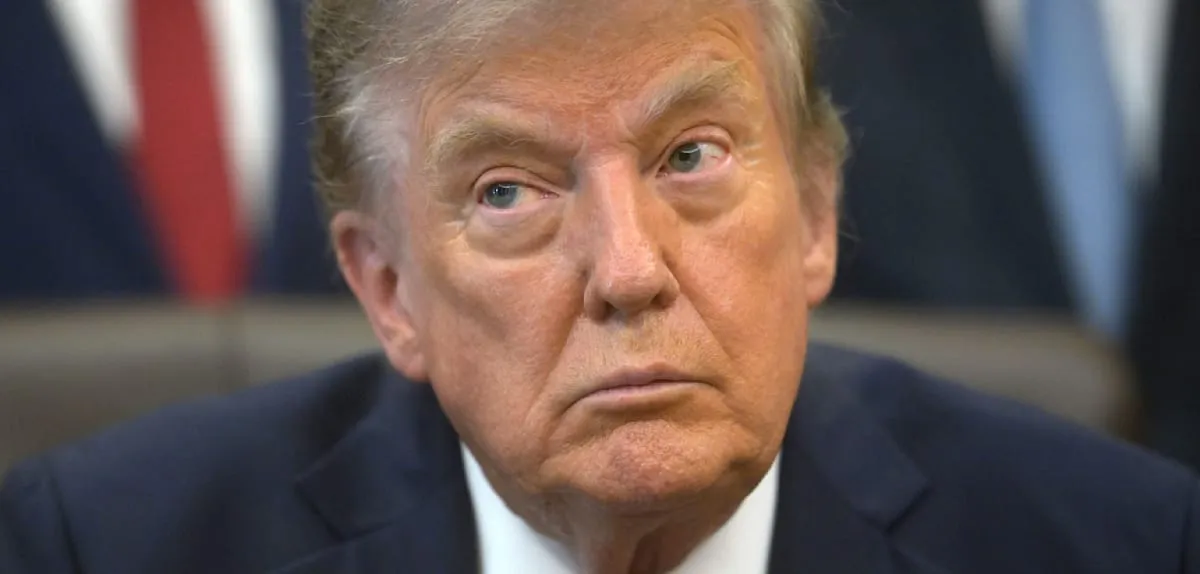
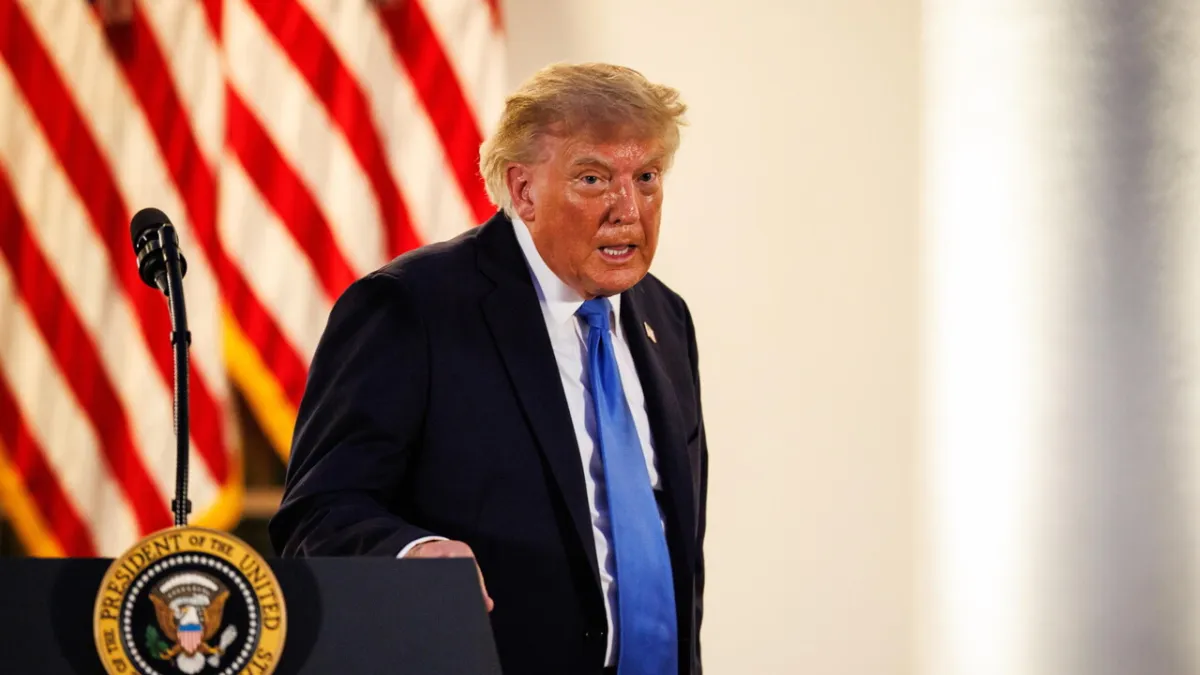
WASHINGTON, D.C. — Former U.S. President Donald Trump has once again ignited a wave of diplomatic tension in North America in 2026, threatening new tariffs against Mexico. This move stems from accusations that Mexico is responsible for thousands of acute diarrhea cases in the United States, a claim that immediately rocked bilateral relations. Simultaneously, on the northern border, Canada took a bold step by unilaterally inaugurating a vital border bridge, sending a strong signal amidst ongoing disputes with Washington.
U.S. foreign policy, under the shadow of Trump's influence, is again under scrutiny. His controversial statement regarding Mexico comes amid a complex public health issue, with thousands of U.S. citizens reportedly suffering from severe intestinal infections that, according to the administration's claims, originated from the south.
This new tariff threat is not the first by Donald Trump. During his presidency, he frequently used economic instruments as a diplomatic leverage. These policies once rattled global markets with 12.5 percent tariffs against dozens of countries, triggering economic turmoil and varied responses from trading partners.
Trump's statement, delivered at a public forum in Georgia, also underscores his enduring influence in the U.S. political landscape, even after leaving the White House. His figure remains a magnet for news, with even individuals mimicking his campaign style, showcasing his immense personal appeal.
The tariff threat could have significant economic impacts for both nations. Mexico, as the largest trading partner of the U.S., would face severe pressure on its export sector, particularly in the agricultural and manufacturing industries. Conversely, U.S. consumers might also experience rising prices for imported products.
There has been no official response from the Mexican government regarding this tariff threat. However, analysts anticipate that Mexico City will strongly reject the accusations and seek diplomatic channels to de-escalate tensions, aiming to maintain crucial economic relationship stability.
Meanwhile, on the U.S.-Canada border, the unilateral inauguration of a new bridge by the Canadian government signals an escalation of dissatisfaction with the slow pace of negotiations with the U.S. This bridge, expected to streamline cross-border trade and transportation, now stands as a symbol of Ottawa's independence in dealing with Washington.
This vital infrastructure project has long been a point of contention, particularly concerning funding and regulation. Canada's decision to proceed alone reflects deep frustration over the bilateral dialogue stalemate hindering the progress of strategic projects.
The bridge, strategically located at one of the busiest crossing points, is expected to reduce congestion and improve logistical efficiency. However, its inauguration without U.S. representation underscores a rift in the coordination of transnational infrastructure development.
International relations observers believe that these two events—Trump's tariff threat and Canada's bridge inauguration—indicate a shifting geopolitical dynamic in North America. Unilateral policies and strong rhetoric appear to increasingly dominate the regional diplomatic landscape in 2026.
This also illustrates how domestic issues, such as public health, can rapidly transform into widespread diplomatic crises. The importance of managing borders, not only from a security aspect but also health, becomes increasingly crucial.
Moving forward, the U.S. government, regardless of Trump's rhetoric, needs to navigate the complexities of relations with its two closest neighbors. Regional economic stability and security heavily depend on the ability to maintain open communication and seek collaborative solutions to existing differences.
These tensions have the potential to spill over into other areas, including cooperation on global challenges such as climate change or migration crises. Constructive dialogue is key to preventing an unproductive spiral of conflict escalation.
In a broader context, policies based on economic threats tend to create bad precedents and undermine trust between nations. The stability of the North American region, one of the world's most important economic corridors, must be a top priority.
Mexico and Canada, despite facing pressure from the U.S., are predicted to continue seeking ways to assert their sovereignty and protect their national interests, both through multilateral diplomacy and independent strategies.
This incident can also be compared with other cases where assets belonging to public figures like Trump become targets. For instance, Iran's threat to seize Trump's assets shows that political figures can become targets in a broader geopolitical arena.
Thus, 2026 witnesses how domestic issues and political rhetoric have the potential to reshape regional diplomacy, prompting allies to act more independently, and creating new challenges for the stability of interstate relations.