 Dodi Irawan

SHANGHAI – China's economic powerhouse, Shanghai, experienced a complete standstill this past weekend following the devastating impact of Typhoon Dolphin, an extreme weather phenomenon that triggered widespread flooding across the city. The immediate consequences of the storm's onslaught include the cancellation of nearly 1,500 flights and the suspension of all public transportation services, stranding thousands of residents and disrupting vital activities.
Typhoon Dolphin, estimated to be of significant strength, brought exceptionally heavy rainfall accompanied by strong winds since Friday night, overwhelming the city's drainage system. Many main roads were submerged in knee-deep water, and some residential areas transformed into impromptu lakes, forcing residents to seek shelter.
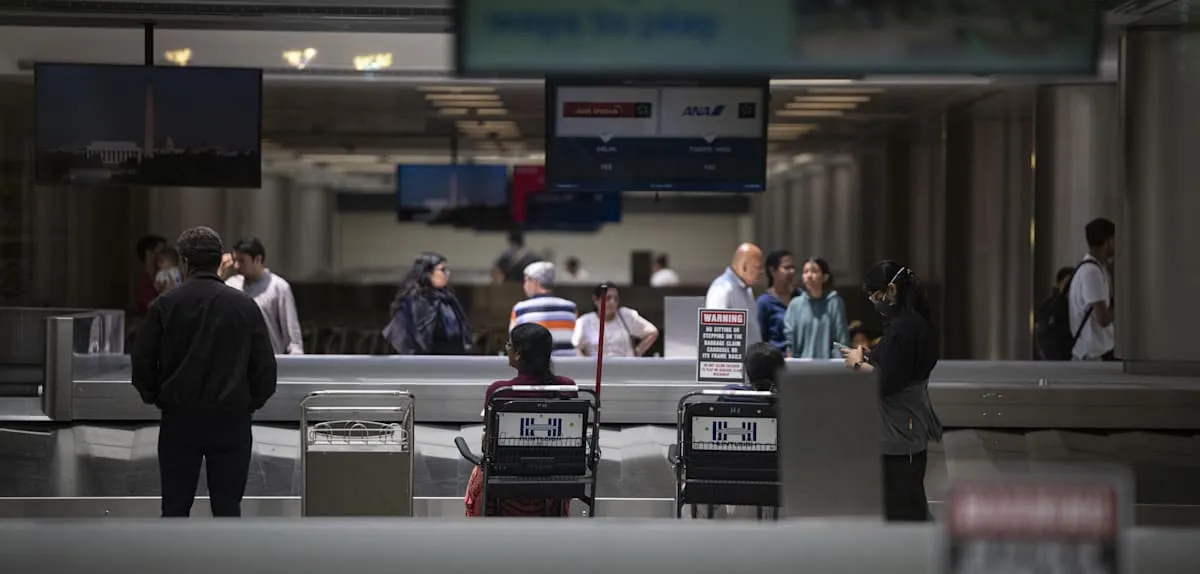
Chinese aviation authorities announced the suspension of operations at Pudong International Airport and Hongqiao Airport, two of Asia's busiest air hubs. This measure was essential to ensure the safety of passengers and crew, as well as to prevent undesirable incidents amidst deteriorating weather conditions.
The cascading effects were felt across the entire transportation sector. Commuter train services, city buses, and metro operations were temporarily halted for safety reasons. This situation led to scenes of stations and terminals filled with frustrated prospective passengers whose travel plans were massively disrupted.
The Shanghai Municipal Government promptly activated an emergency alert status, deploying thousands of rescue personnel and volunteers to assist in the evacuation of residents trapped in flooded areas. The primary priority was to ensure the safety of lives and provide logistical aid to the directly affected communities.
Several districts, including Pudong, Minhang, and Hongkou, reported significant infrastructure damage. Floodwaters damaged public facilities, private vehicles, and threatened electricity supply in some areas, adding to the complexity of crisis management.
The sudden cessation of economic activities is expected to incur substantial financial losses for Shanghai. As a global trade and financial hub, large-scale disruptions to transportation and logistics have short-term and potentially long-term consequences for supply chains.
Although China possesses a relatively advanced disaster mitigation system, the intensity of Typhoon Dolphin this time caught many by surprise. Meteorologists had previously issued warnings, but the speed and volume of incoming water exceeded initial projections.
Observers note that this incident once again highlights the importance of adapting the infrastructure of major cities to climate change and the increasingly frequent extreme weather phenomena occurring in 2026. Urban drainage systems must be re-evaluated and their capacities upgraded.
Residents are advised to remain indoors, follow official directives, and avoid traveling unless absolutely necessary. Coordination among various government agencies continues to expedite recovery and normalize conditions.
Editorial Insight: The impact of Typhoon Dolphin on Shanghai is not merely a natural disaster, but a mirror reflecting the vulnerability of megacities to increasingly intense climate anomalies. The loss of nearly 1,500 flights and the paralysis of public transportation indicate that the adaptive capacity of giant urban infrastructures like Shanghai needs continuous enhancement. This incident could serve as a valuable lesson for other coastal cities worldwide to strengthen their mitigation and emergency response systems amidst the growing threat of global climate change in 2026.