 Dorry Archiles
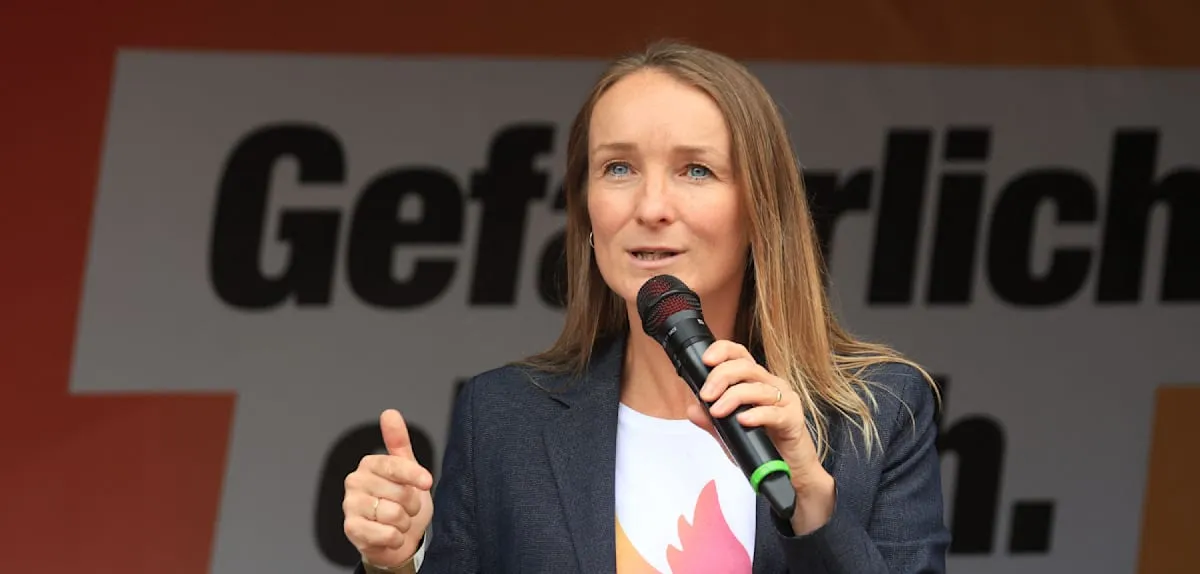
BERLIN – The Bundnis Sahra Wagenknecht (BSW) party has announced its intention to actively oppose the provision of military aid to Ukraine. This strategic move is expected to materialize in the Sachsen-Anhalt state parliament, with significant support from the Alternative for Germany (AfD) party if BSW secures representation in that legislative body. This plan indicates a potential shift in political priorities that could disrupt the landscape of European support for Kyiv, as articulated through the narrative 'More Kothen than Kyiv'.
The BSWs intention reflects the party's core philosophy of prioritizing domestic interests over foreign intervention. The slogan 'More Kothen than Kyiv' explicitly highlights the desire to allocate resources and political focus to German internal issues, such as regional economic development or social welfare, rather than continuing to fund the conflict in Ukraine.
The focus on the Sachsen-Anhalt Landtag is not without reason. This region is known for its strong populist sentiment and often serves as a fierce battleground for non-traditional parties. Projections indicate BSW has a chance to gain seats, which would give them a substantial platform to push this agenda at the state level.
AfD, long known for its skepticism towards EU and NATO foreign policy and its calls to prioritize national sovereignty, is seen as a natural ally in BSWs efforts to halt military aid. Despite ideological differences in many areas, their shared stance on the issue of Ukraine aid forms a potential basis for cooperation in Sachsen-Anhalt.
This move, if realized, could have significant implications for German foreign policy and European solidarity. Germany is one of the largest contributors of aid to Ukraine, and opposition from two parties in a regional parliament could set a precedent or send an unfavorable signal to other European allies.
BSWs statement will likely trigger a wave of criticism from mainstream German parties, including Chancellor Olaf Scholzs Social Democratic Party (SPD), the Christian Democrats (CDU/CSU), and the Green Party, all of whom have consistently supported aid for Ukraine as part of Germanys international commitments.
Amidst the continuously evolving political turmoil, the trend of populist parties in Europe highlighting domestic issues and reducing global intervention is strengthening. This event aligns with past discussions about how parliament also urged for the recognition of East German history to remove negative stigmas, indicating a shift towards internal focus.
The cooperation between BSW and AfD has the potential to deepen political polarization in Germany regarding foreign aid. German society itself is divided on the extent to which the country should be involved in the Ukraine conflict, with some segments advocating for a greater focus on domestic economic and social issues.
Political observers note that BSW and AfD's success in stopping aid in Sachsen-Anhalt could serve as a model for similar efforts in other states, or even influence debates at the federal level, though implementation would be more complex in the Bundestag.
This stance also provides ammunition for anti-war and anti-intervention narratives that have long been voiced by certain segments in Europe, potentially altering the dynamics of international support for Kyiv in the future.
Editorial Insight: The efforts of BSW and AfD to reject military aid to Ukraine in the Sachsen-Anhalt state parliament are not merely local political maneuvers. They reflect a fundamental shift in political priorities within parts of German society, from international solidarity towards a more insular domestic focus. The success of this alliance, even if limited to a regional scale, could send a strong signal that potentially weakens European consensus on Ukraine and strengthens populist narratives against foreign involvement. Its impact, both symbolically and substantially, warrants close observation in the dynamic geopolitical context of Europe.