 Gabriella
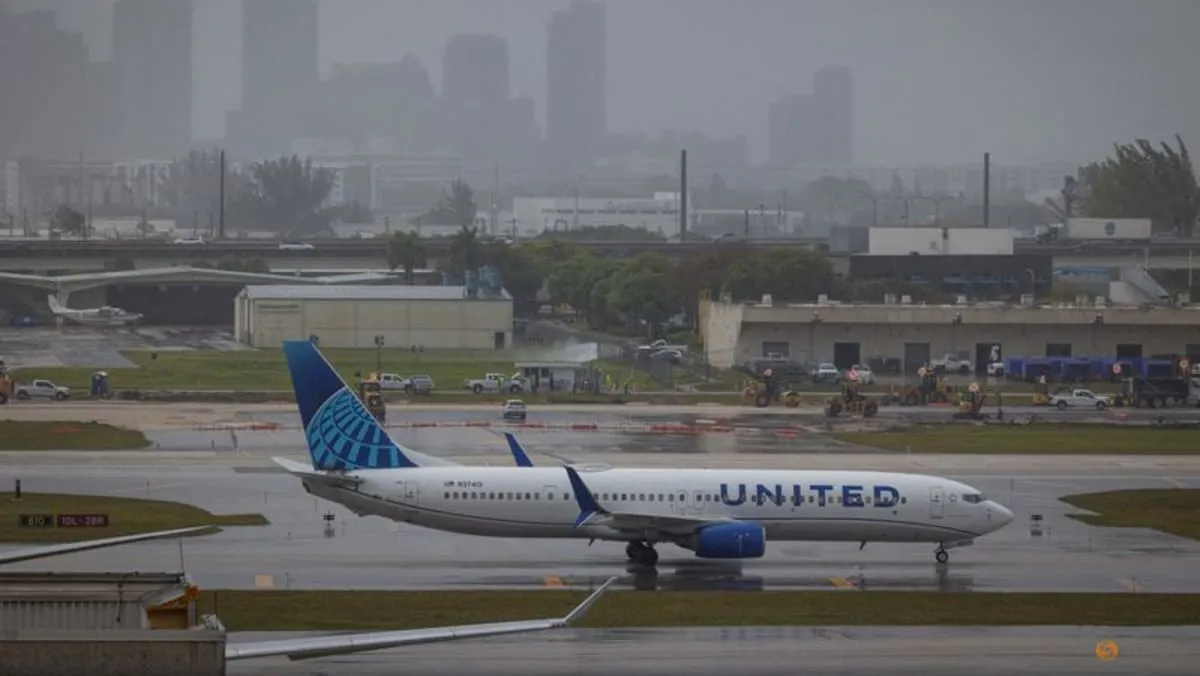
CHICAGO – United Airlines earlier this week confirmed it has successfully resolved a large-scale technology outage that briefly crippled its operational systems, leading to the delay of thousands of flights across its global network. This critical incident sparked significant chaos at major airports worldwide, leaving millions of passengers in limbo for hours on Tuesday, May 12, 2026.
A sudden failure in United Airlines' core technology infrastructure disrupted flight scheduling, crew allocation systems, and other crucial operational functions. The impact was immediately felt at busy air hubs like Chicago O'Hare, Newark Liberty, Houston George Bush Intercontinental, and Denver International, where long queues and delay announcements dominated the atmosphere.
The airline promptly issued an apology statement, acknowledging the immense inconvenience experienced by its customers. We fully understand the frustration caused by this incident, a United Airlines spokesperson said in an official statement. Our technology teams worked tirelessly to identify and resolve the root cause of the problem.
Thousands of passengers ready to fly found themselves stranded at terminals, their travel plans derailed. Many faced flight cancellations, missed crucial connections, and financial losses due to the delays. Stories of frustration flooded social media, highlighting modern society's dependence on vulnerable digital systems.
The economic ramifications of this disruption are not negligible. Beyond the direct losses for United Airlines in terms of operations and reputation, flight delays also have the potential to disrupt global supply chains and the vital business schedules of corporate travelers crucial to the economy.
Initial investigations pointed to a complex issue within vital software managing flight schedules and crew allocation, rather than a cyberattack. The reliability of these systems is the backbone of modern airline operations, and their failure can swiftly ground an entire fleet.
This incident is not a first for the global aviation industry. History records several major airlines experiencing similar disruptions, underscoring the challenges in maintaining the stability of highly integrated and decades-old IT systems that are continually updated with new technologies.
After hours of intense work, United Airlines' technical teams successfully isolated and remedied the malfunction. Systems began to recover gradually, allowing flights to resume operations. Priority was given to departing the most delayed flights and accommodating stranded passengers.
Although the system has been declared resolved, the ripple effects of this outage are expected to be felt for several more days, with residual delays and cancellations as the airline works to normalize flight schedules and crew positioning worldwide.
United Airlines reiterated its commitment to operational safety and reliability. They also stated that a comprehensive review of the incident would be conducted to prevent a recurrence of similar events in the future, ensuring their systems are more resilient against potential technological disruptions.
This case once again highlights the urgency for the aviation industry to continuously invest in modern and robust IT infrastructure, as well as have swift and effective crisis mitigation plans. Reliance on advanced technology demands extra vigilance against potential system failures.
Editorial Insight: The system outage that crippled United Airlines serves as a stark reminder of the fragility of digital infrastructure in critical sectors. In an era where every operational aspect depends on technology, investment in cybersecurity resilience and backup systems is no longer an option, but an absolute necessity. Even the smallest failure can trigger a domino effect, detrimental to millions of individuals and the global economy.