 Demian Sahputra
MIAMI – A federal court in Miami has found a United States citizen pastor guilty of conspiracy to assassinate Haitian President Jovenel Moise, with a life imprisonment sentence looming. This verdict concludes a significant phase in the international investigation into the tragic incident of July 7, 2021, which shook Haiti's political stability and triggered a multidimensional crisis.
Prosecutors successfully convinced the jury that the pastor was an integral part of a larger scheme to kidnap and murder Moise at his private residence in Port-au-Prince. The case highlights a complex web of intrigue involving Haitian citizens, diaspora members, and foreign nationals in an attempt to overthrow power.
President Moise's assassination in 2021 was a severe blow to the Caribbean nation, which has long grappled with poverty, corruption, and political instability. The incident not only removed a head of state but also created a power vacuum that exacerbated security and social conditions.
During the intense trial, evidence presented included secret communications, logistical planning, and financial flows aimed at facilitating the brutal attack. The defense argued that their client was merely a victim of manipulation, but was unable to refute the strong body of incriminating evidence.
The arrest and trial of this pastor represent one of several cases handled by United States authorities related to Moise's assassination. Investigations have uncovered the involvement of diverse individuals, ranging from former Colombian soldiers to Florida-based Haitian businessmen.
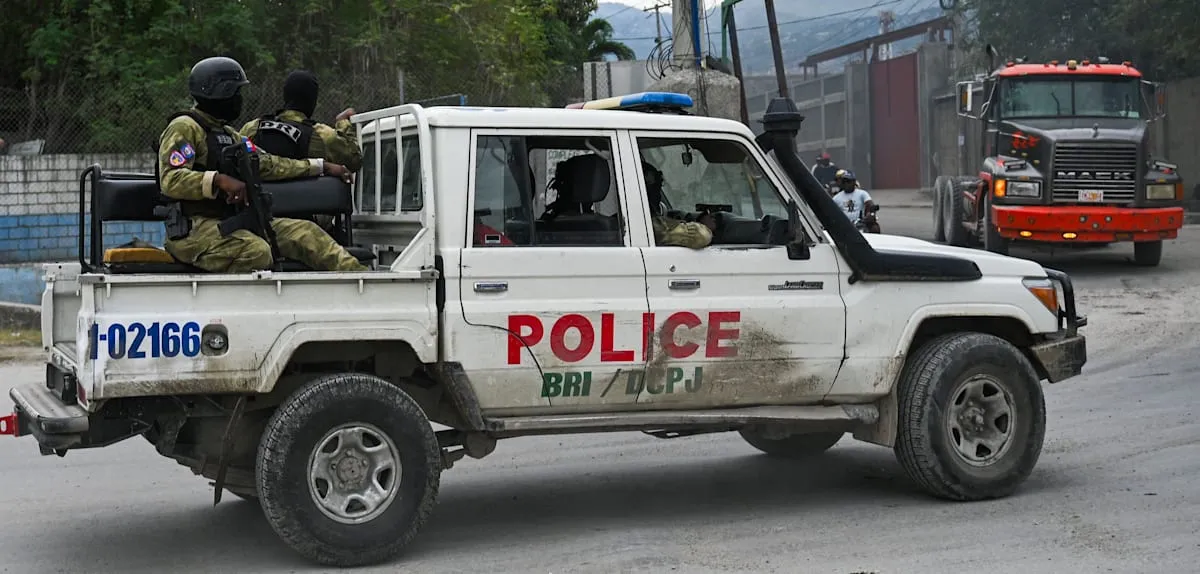
The Haitian government, battling a severe wave of gang violence and a humanitarian crisis in 2026, welcomed this verdict as a step forward in achieving justice for their late president. However, the challenges of restoring security and order are far from over.
This case serves as a stark warning to anyone attempting to undermine the sovereignty of another nation through acts of violence. It reaffirms that international and national law will continue to pursue perpetrators of serious cross-border crimes.
The verdict against the pastor sends a strong message about the consequences of criminal acts, especially those involving national leaders. Although the conviction was handed down on American soil, its impact is expected to resonate throughout Haiti, providing some closure for the victim's family and the Haitian people.
The court is expected to schedule a sentencing hearing in the coming months, where the pastor will likely face life imprisonment without the possibility of parole. This is one of the most severe penalties that can be imposed by the United States judicial system.
US law enforcement has played a central role in solving the Moise assassination case, largely because many suspects and related evidence had connections to the United States. This demonstrates the reach of US jurisdiction and its commitment to combating transnational crime.
Editorial Insight: The guilty verdict against the pastor in Miami marks a beacon of light amidst the long darkness surrounding the assassination of Haitian President Jovenel Moise. While it does not resolve all of Haiti's issues, this ruling offers a glimmer of hope for justice and could serve as a foundation for greater regional stability. However, the complex root causes of Haiti's instability, including corruption and gang violence, require long-term solutions that extend beyond a single court verdict.