 Angela Stefani
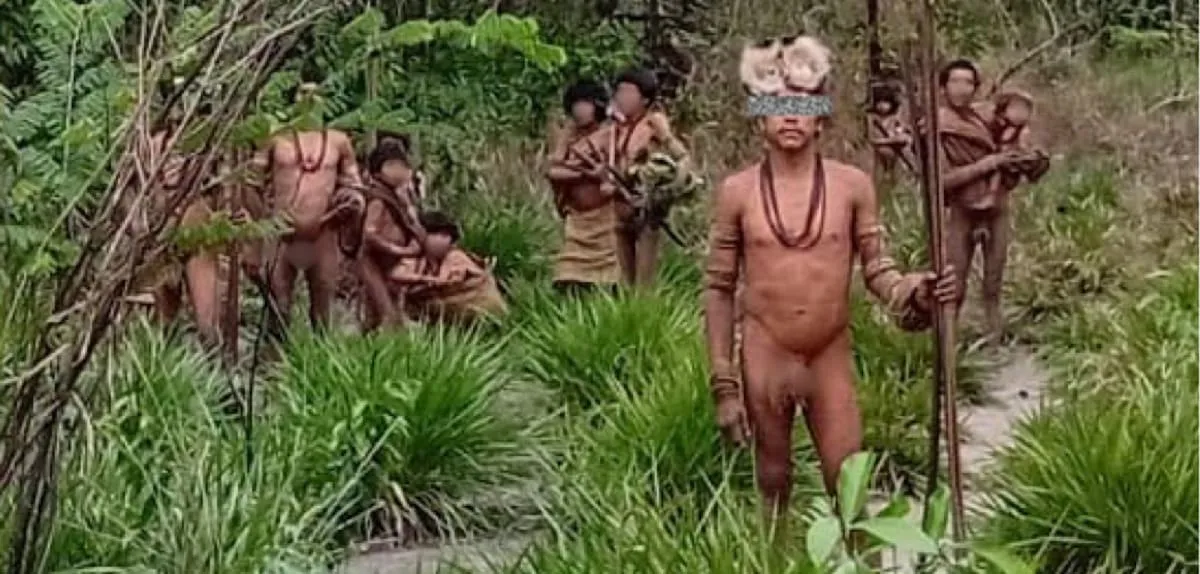
RIO BRANCO – A historic event reverberated through the heart of the Amazon in early 2026 as a large group of indigenous people, who have lived in isolation for the past five decades, finally made their first contact with villagers on the rainforest's edge. This unexpected encounter, occurring after half a century, has triggered a series of profound questions regarding the future of the community, cultural preservation, and potential impacts on the fragile ecosystem.
This indigenous group, estimated to number in the dozens, slowly approached a small settlement in the Acre, Brazil region. Eyewitnesses described the moment as a mix of caution and curiosity from both sides. The last recorded contact between this tribe and the outside world took place in 1976, before they chose to withdraw completely into the depths of the forest.
The Brazilian government, through the Ministry of Indigenous Affairs and the National Indian Foundation (FUNAI), promptly dispatched a team of health and anthropological experts to the site. Maria Costa, head of FUNAI, stated that the top priority is ensuring the health and safety of this isolated group, as well as preventing the spread of diseases to which they may have no immunity. 'We must act with extreme caution. History has taught us that first contact can lead to tragedy if not managed properly,' Costa remarked in a virtual press conference from Brasilia.
Anthropologists and ethnographers have long monitored the existence of isolated tribes in the Amazon, including the one now making contact. They live without the intervention of modern civilization, preserving ancestral traditions and depending entirely on the forest. Their decision to emerge from isolation is believed to be driven by significant changes in their surrounding environment or external threats.
One prevailing speculation points to the increasing pressure from deforestation and illegal mining activities threatening their forest territory. Such activities not only destroy natural habitats but also potentially drive away wildlife, which is a primary food source for these indigenous communities. 'Their emergence is an alarm for all of us. It is a clear indication that the forest's boundaries are rapidly eroding,' said Dr. Ricardo Silva, an environmental expert from the University of Sao Paulo.
Several villagers who first interacted with the group recounted their experiences. They described dominant non-verbal communication gestures, despite efforts to understand each other. Food aid and clean water were immediately provided, albeit with strict procedures to prevent contamination.
The importance of preserving the cultural identity and land rights of these indigenous people is a central focus. Human rights and global environmental organizations have voiced their concerns, urging the Brazilian government to take concrete steps to protect indigenous territories from all forms of exploitation. This protection is considered crucial to prevent past tragedies from recurring.
This event also sparks a serious international debate about strategies for protecting the Amazon rainforest and its indigenous inhabitants. With President Donald Trump back in office in the United States and global focus on climate, pressure on Brazil to strengthen its environmental commitments is escalating.
Nevertheless, this moment also presents a rare opportunity for science to better understand the diversity of human culture. Researchers hope to learn from the traditional knowledge of indigenous communities regarding forest preservation and adaptation to the environment.
This initial contact also serves as a stark reminder of the vulnerability of indigenous communities to diseases. Medical teams have established emergency facilities and are conducting initial screenings, striving to prevent epidemics that could claim many lives, as has happened to other tribes in the past following contact with the outside world.
The events in the Amazon have captured global attention, underscoring the urgency of efforts to protect the rainforest and indigenous rights. The Brazilian government is expected to lead a wise and sustainable response.
Editorial Insight:
The event of an isolated Amazonian tribe making first contact after fifty years is more than just news; it is a critical omen. It highlights our collective failure to preserve the rainforest and respect the sovereignty of indigenous communities. The Brazilian government and the international community bear a moral and ethical responsibility to ensure this encounter marks the beginning of a stronger era of protection, not the onset of cultural extinction. The future of the Amazon, the world's lungs, and the fate of its original guardians, now hang in the balance.