 Demian Sahputra
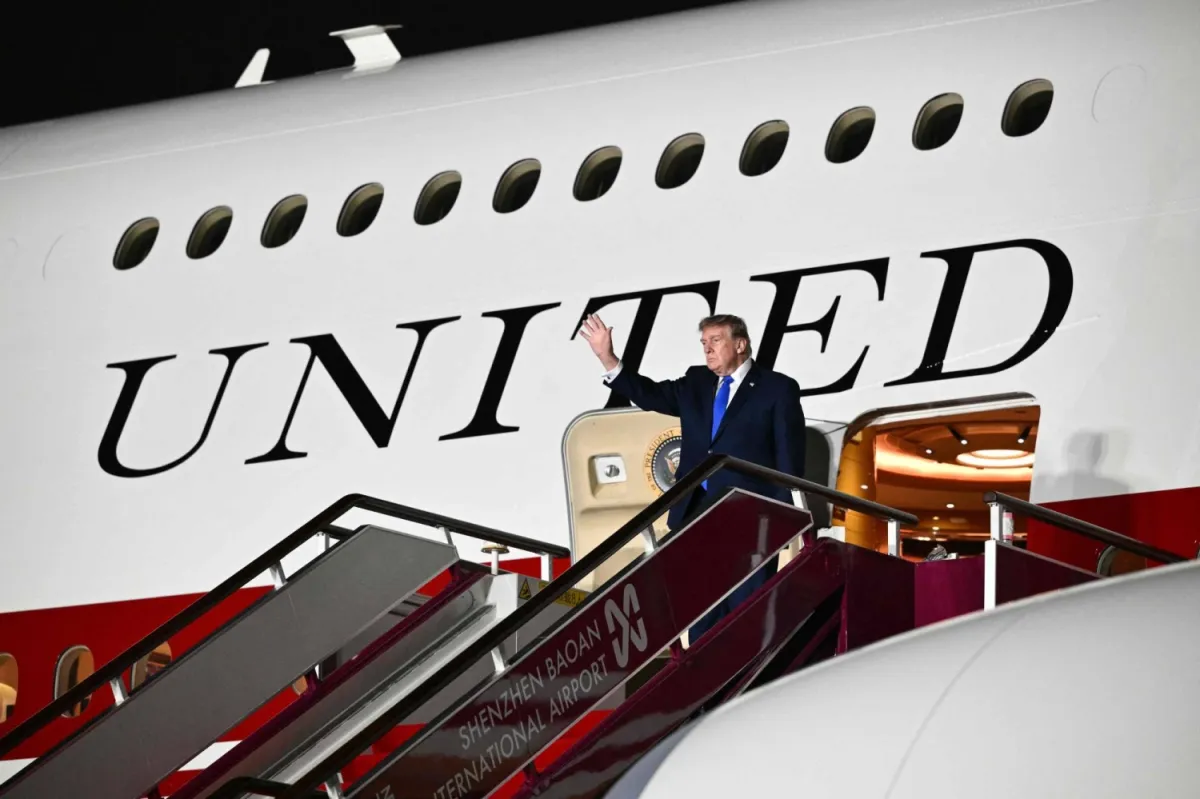
BEIJING – A startling incident marked the departure of United States President Donald Trump from China recently. White House officials abruptly confiscated the mobile phones of several journalists covering the presidential entourage. This controversial action, which occurred just before Air Force One departed, was cited as a cybersecurity precaution against potential espionage attempts.
The seizure of these journalists' communication devices sparked a wave of questions and concerns within the media community. A moment intended to conclude an important diplomatic visit instead became a focal point on the security practices implemented by the US delegation on foreign soil.
According to official statements from the White House, the measure was taken as a standard precautionary action deemed necessary given the sensitivity of information and the ever-present threat of cyber espionage. An internal source, who wished to remain anonymous, stated that such protocols are not new, especially during state visits to certain countries with active cyber espionage track records.
However, journalists directly affected by the incident voiced strong objections. They felt this action infringed upon the principles of press freedom and transparency. Personal phones, often also used as professional tools, contain sensitive data and crucial sources of information.
The White House Correspondents' Association is reportedly gathering further information and plans to file a formal protest. They assert that journalists' access and freedom to report are democratic pillars that must be upheld, even in the context of security.
This incident also ignited a debate regarding the boundary between national security and the constitutional rights of journalists. Particularly when such policies are implemented outside US jurisdiction, adding complexity to diplomatic and sovereignty issues.
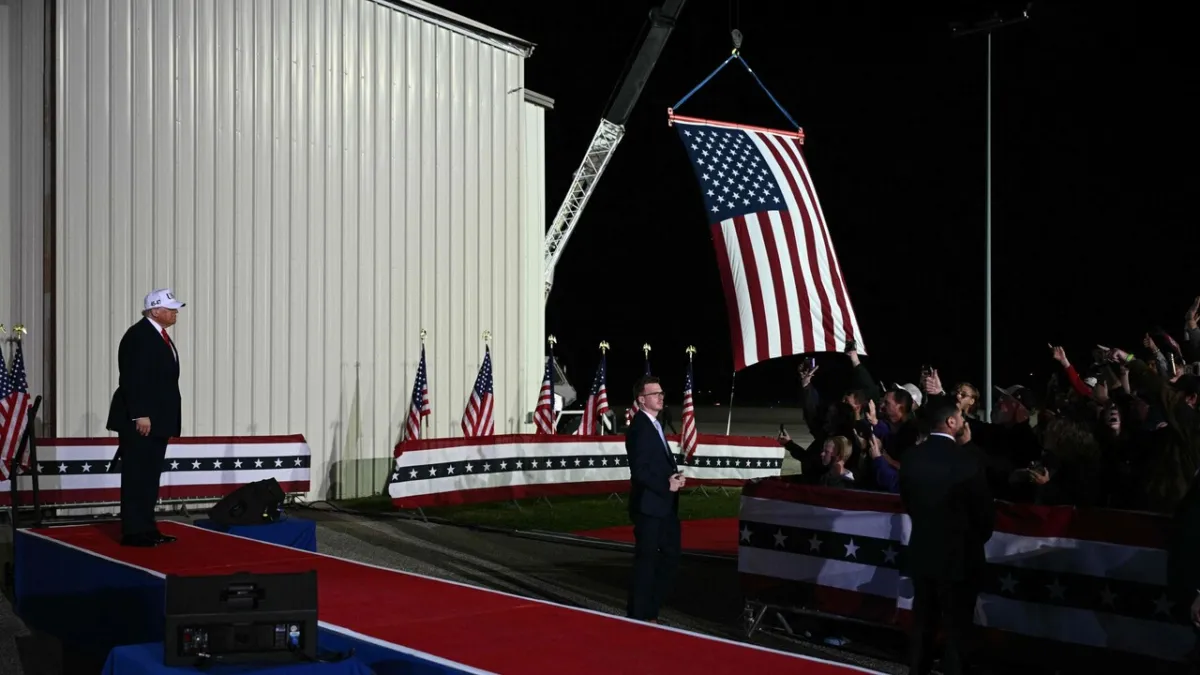
President Donald Trump's visit to China itself was a crucial agenda to strengthen bilateral relations and discuss various strategic issues, ranging from trade to regional stability. This phone seizure incident, though minor, could potentially tarnish the narrative of the visit.
US-China relations during President Trump's tenure have been dynamic, at times marked by tension, and at others by pragmatic cooperation. Concerns over technological and cyber espionage have long been a thorn in the side of the relationship between these two global giants. For deeper analysis of these dynamics, also read Trump Ramps Up Beijing-Moscow Ties, US Allies Stunned Geopolitically!.
President Trump himself is known for strict national security policies, including those related to sensitive technology and information. This approach is reflected in various decisions of his administration, often prioritizing security above other considerations.
International law and media experts believe that while security intentions may be understandable, their implementation must remain proportional and should not unilaterally sacrifice fundamental rights. Dialogue between the White House and media representatives will be key to finding solutions that respect both parties.
Editorial Insight: The incident of White House officials seizing journalists' phones in China underscores the escalating tensions in the global cybersecurity landscape. While framed as an espionage prevention measure, this action risks setting a dangerous precedent for international press freedom. Governments must balance security needs with journalistic transparency, especially in this increasingly sensitive information era. This event could also cloud public perception of the US's commitment to democratic principles on the world stage.