 Robert Andrison
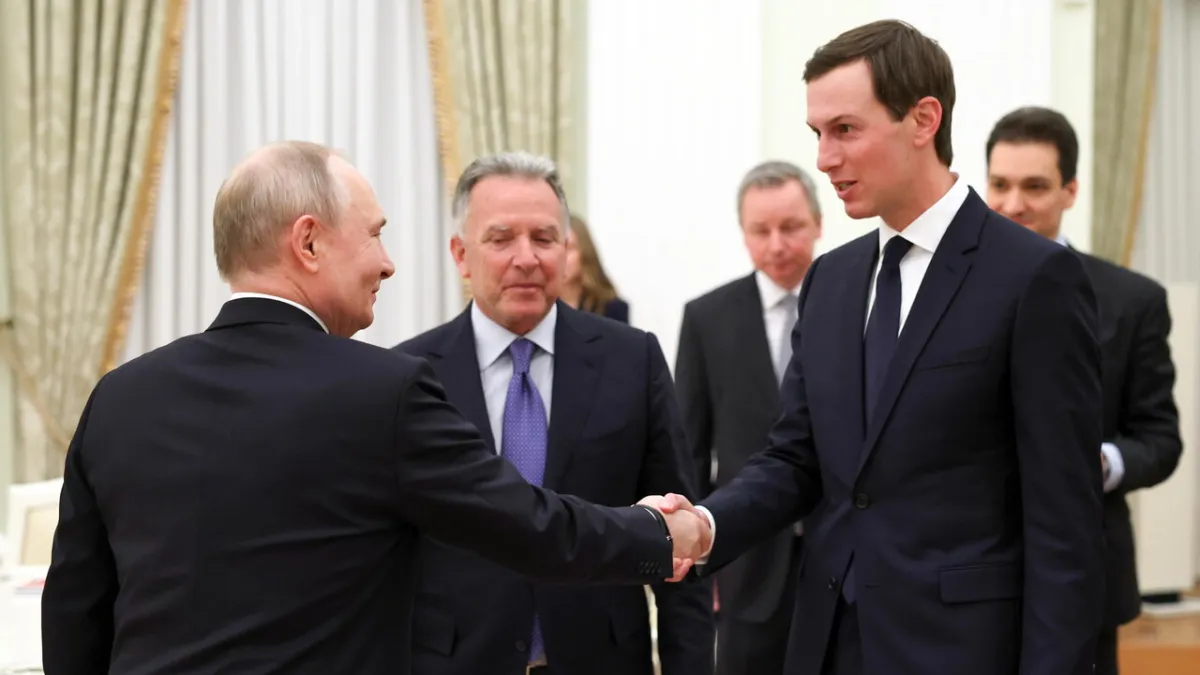
WASHINGTON – Intensive diplomatic efforts to de-escalate the Russia-Ukraine conflict show substantial progress following the visit of United States envoy, Avi Witkoff, to Moscow and Kiev. President Donald Trump immediately followed up with direct talks with Russian President Vladimir Putin and Ukrainian President Volodymyr Zelensky, reinforcing signals of potential peace negotiations in 2026.
Witkoff, known to be close to White House circles, delivered his report after the discreet visits. This report brings a breath of fresh air to global efforts to resolve the long-standing geopolitical tension in Eastern Europe. Specific details regarding the nature of this substantial progress have not yet been publicly disclosed.
Confirmation of these developments also came from the Elysee Palace, the French presidency. French officials announced that the United States had reported Russia's willingness to commence negotiations after the Duma elections, Russia's parliament. This statement from Paris indicates deep cross-alliance communication regarding the situation.
Despite new hopes for dialogue, diplomatic tensions appear to be escalating in another sector. Moscow recently announced the closure of the German consulate in Saint Petersburg. This move is interpreted as a retaliatory response to similar actions taken by Germany earlier, showcasing the complex dynamics in Russia's relations with European nations.
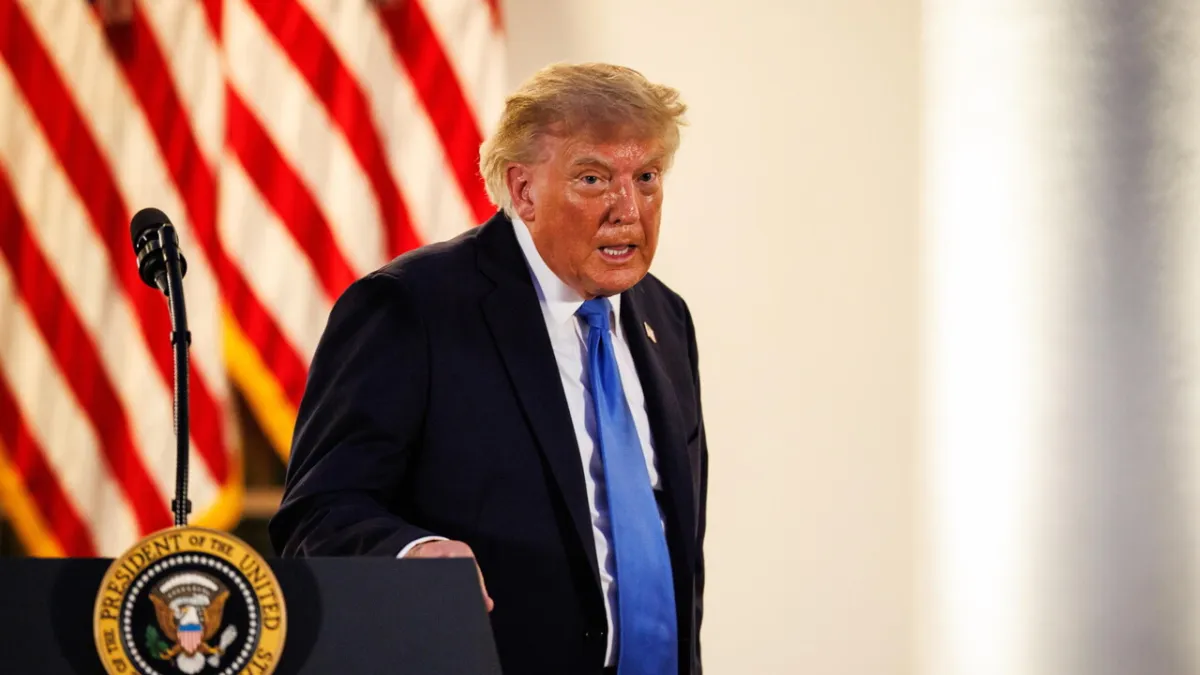
President Trump, who resumed office in 2026, has vocally expressed his commitment to ending the conflict in Ukraine. His telephone conversations with Presidents Putin and Zelensky represent concrete steps to realize this ambition, testing whether his leadership can bridge seemingly insurmountable divides.
This diplomatic initiative revives hopes that had previously dimmed, especially after various earlier peace efforts reached dead ends. With active involvement from the White House, the international community is closely watching for any concrete indications of the next steps.
Russia's decision to consider negotiations after the Duma elections could be a strategic maneuver. This allows the Kremlin to consolidate its domestic position before engaging in potentially sensitive and crucial talks for the nation's future.
Meanwhile, the closure of the German consulate in Saint Petersburg sends an ambiguous message. Is this an attempt to increase pressure before negotiations, or merely an escalation in a separate diplomatic dispute? This question is important as it could affect the overall climate of the negotiations.
Various parties hope that the diplomacy led by Witkoff and supported by President Trump will produce a roadmap towards a peaceful settlement. However, the history of this conflict demonstrates that any progress must be approached with caution and in-depth analysis.
President Trump's role in mediating this conflict can also be read in our related article: Trump Segera Telepon Putin dan Zelensky: Jalan Damai Terbuka? which previously explored initial speculations about his peace initiatives.
The world observes how President Trump will navigate the complexities of relations between Moscow and Kiev, and balance global interests with pressing domestic issues. Success in this diplomacy would be a significant achievement for his administration.
The situation in Ukraine itself remains volatile, and any negotiations will require significant concessions from both sides. International pressure, both from Western allies and neutral nations, will play a crucial role in shaping the final outcome.
Editorial Insight:
Avi Witkoff's report of substantial progress and President Trump's direct involvement offer a glimmer of optimism in seeking a resolution to the Ukraine conflict. However, these diplomatic signals are tempered by incidents such as the closure of the German consulate, illustrating the complexity and potential pitfalls in any peace process. Russia's willingness to negotiate post-Duma elections suggests internal political calculations, not merely goodwill. This could be a crucial moment to test the effectiveness of Trump-style diplomacy, but the path to true peace remains long and fraught with challenges.