 Chris Robert
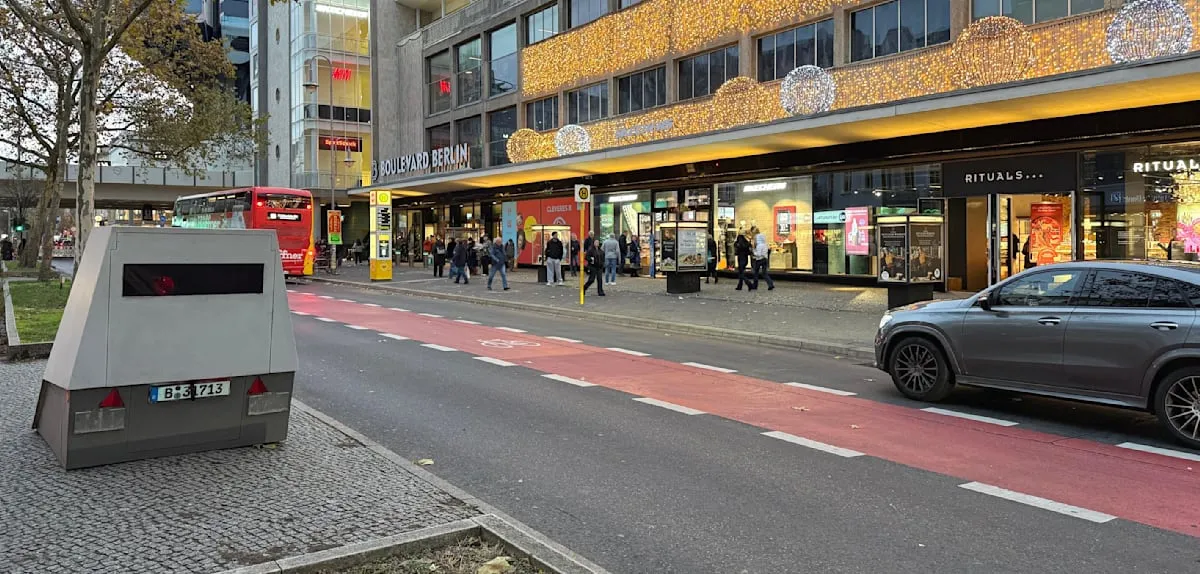
BERLIN – A speed camera on Schlosstrasse, Berlin-Steglitz, Germany, has suddenly become the focus of public attention after reports emerged that it was not only recording speeding vehicles but also pedestrians crossing the area. The incident, which triggered a series of viral videos on social media, has sparked a serious debate about citizen privacy and the limits of urban surveillance in the digital age of 2026.
This phenomenon of 'mysterious flashes' first caught attention last week when a number of residents uploaded footage on X and TikTok, showing the speed camera (blitzer) flashing brightly every time a pedestrian passed nearby. Immediately, this incident caused confusion and concern, as the primary function of the device should focus on traffic violations by motor vehicles.
One of the most widely viewed videos shows a pedestrian startled as the camera flash hit them, as if they had just committed a traffic offense. Similar reactions flooded the comment sections, with many residents questioning the legality and ethics of the phenomenon. They referred to it as an 'uninvited light show' and demanded an explanation from the relevant authorities.
Concerns about privacy infringement are at the core of this controversy. In Germany, personal data protection is a highly sensitive issue, supported by strict regulations such as the European Union's General Data Protection Regulation (GDPR). Recording someone's face or identity without explicit consent is considered illegal, especially if carried out by public surveillance devices outside their intended function.
A spokesperson for the Berlin police, Lars Schmidt, when contacted by the media, stated that they are investigating the reports. We have received several complaints and videos regarding the camera on Schlosstrasse. This is not a function we expect from a speed measuring device, Schmidt said, emphasizing that speed cameras are not designed to photograph pedestrians and a technical malfunction is most likely.
However, some technology experts and privacy advocates view this incident as a symptom of increasingly invasive surveillance. They argue that, malfunction or not, the incident highlights the vulnerability of citizens' personal data in public spaces increasingly connected by various smart devices and sensors.
This polemic also strengthens the discourse on how existing regulations must adapt to the rapid pace of technological development. If this incident proves to be a design or implementation error, then the standards for testing and monitoring public surveillance devices need to be significantly tightened.
The public in Berlin is divided. Some demand the removal of the camera until its function is confirmed to meet standards, while others treat it with humor, even intentionally walking in front of the camera to trigger the 'flash' for social media sensation. Nevertheless, the essence of privacy concerns continues to overshadow the debate.
The Berlin city government faces the task of immediately addressing this issue to restore public trust. Moreover, with 2026 bringing more discussions about surveillance technology and artificial intelligence, transparency and accountability are key. This incident, however minor, could set an important precedent for the future of smart cities in Europe.
European Union regulations have repeatedly sought to balance technological innovation with the protection of fundamental citizens' rights. This can be seen in the European Union's initiative to draft Quantum Law to prevent similar blunders as seen in AI development, demonstrating an awareness of the need for a robust legal framework.
Editorial Insight: This speed camera incident in Berlin, though seemingly minor, is in fact a reflection of a larger dilemma facing modern society: technological convenience versus individual privacy rights. The authorities' response will significantly determine how similar incidents are handled in the future. This is not merely a technical malfunction but a potential fundamental violation requiring a more adaptive legal and ethical framework amid the rapid pace of innovation.