 Chandra Wijayanto

GLOBAL – Bluefin, a leading digital asset trading platform, officially announced the cessation of its perpetual derivatives trading platform operations on December 4, 2026. This strategic decision was made to fully shift focus towards spot trading and the tokenized Real-World Assets (RWA) segment. The announcement marks a new chapter for Bluefin, which previously recorded daily trading volumes exceeding $500 million in the Sui ecosystem.
Bluefin's drastic move comes amid a continuously shrinking Sui market, a blockchain ecosystem where they once held a dominant position. The decline in activity and liquidity within the Sui derivatives market is believed to be the primary driver behind the company's shifting priorities.
At its peak, Bluefin was a key player in the perpetual trading arena on Sui, facilitating hundreds of millions of dollars in daily transactions. That illustrious performance now becomes a historical note as the crypto market evolves, demanding rapid adaptation from its participants.
The new direction towards spot trading and tokenized RWAs reflects a rapidly growing industry trend. Tokenized real-world assets offer a bridge between traditional finance and decentralized finance (DeFi), promising greater stability and utility compared to highly volatile pure crypto assets.
Users of Bluefin's perpetual platform must now migrate their positions before the closure date. The company has issued comprehensive guidelines to ensure a smooth transition for all customers, minimizing potential losses due to this policy change.
The overall condition of the crypto market, particularly in some ecosystems, shows a significant slowdown. This is not an isolated phenomenon experienced by Bluefin; several other platforms also face similar pressures or have even taken drastic measures such as delisting certain assets, as seen in the case of Monero's sharp decline following exchange delisting.
Increasingly stringent regulatory pressures in various parts of the world also influence the strategic decisions of crypto industry players. Governments in Asia, such as Japan tightening crypto surveillance, and the European Union's efforts to automate registration for transparency, create a more challenging operational landscape.
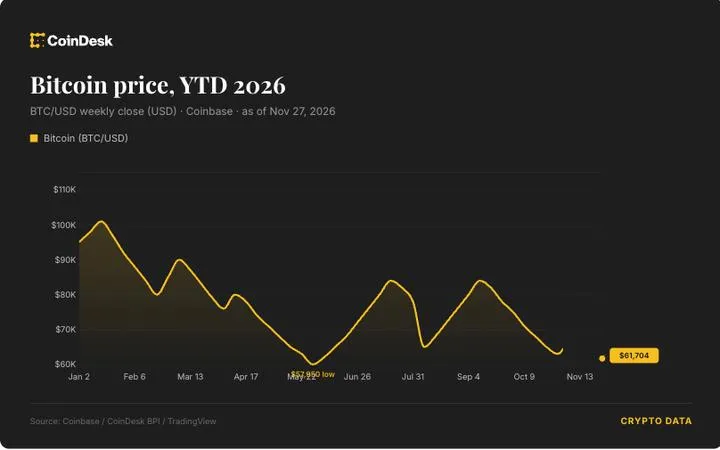
This shift in focus can also be seen as a diversification effort amidst extreme crypto market fluctuations. While Bitcoin occasionally soars high, long-term stability remains a key concern for institutional investors and large platforms.
Despite posing transitional challenges for its users, Bluefin's decision to embrace RWA also opens new opportunities. The RWA market potential is projected to grow rapidly, attracting capital from institutions seeking exposure to digital assets backed by tangible value.
Bluefin's move could set a precedent for other platforms grappling with sluggish derivatives market conditions. This reinforces that innovation and adaptation are key to survival in the dynamic and unpredictable crypto industry.
Editorial Insight: Bluefin's decision reflects a maturation phase of the crypto industry, where entities are beginning to prioritize sustainability and the adoption of real value over mere speculative trading volumes. This strategic pivot underscores a macro trend towards integrating traditional assets into blockchain, the potential of RWAs to attract more conservative institutional investors, and the necessity of business agility in navigating evolving regulations and fluctuating market conditions. This could mark the beginning of market consolidation, where only the most adaptive and innovative business models will survive and thrive in the coming years.