 Chris Robert

VIENNA – Crypto asset service providers under strict Austrian regulatory oversight recorded a phenomenal trading volume of 20.4 billion euros during the first half of 2026. This figure not only indicates the massive dynamics of the digital market but also highlights the complexity of cross-border supervision in Europe.
The Austrian Financial Market Authority (FMA) released this data as part of its efforts for transparency and oversight of the rapidly evolving digital financial sector. The report underscores the importance of a robust regulatory framework to ensure transaction stability and security.
The majority of accounts, approximately 74 percent of the total, were not based in Austria but were spread across various other member countries of the European Economic Area (EEA). This phenomenon reinforces the inherently global nature of the crypto market, which transcends conventional geographical boundaries.
The FMA affirmed that these data serve as concrete evidence of the significant growth in digital asset adoption. The authority also stressed the importance of closer supervisory collaboration at the European level to address challenges arising from the cross-border nature of the market.
The 20.4 billion euro trading volume in the first six months of 2026 encompassed various types of crypto assets, ranging from Bitcoin to altcoins, as well as various crypto-based derivative instruments. This figure signifies intense investment and speculative activity among European investors.
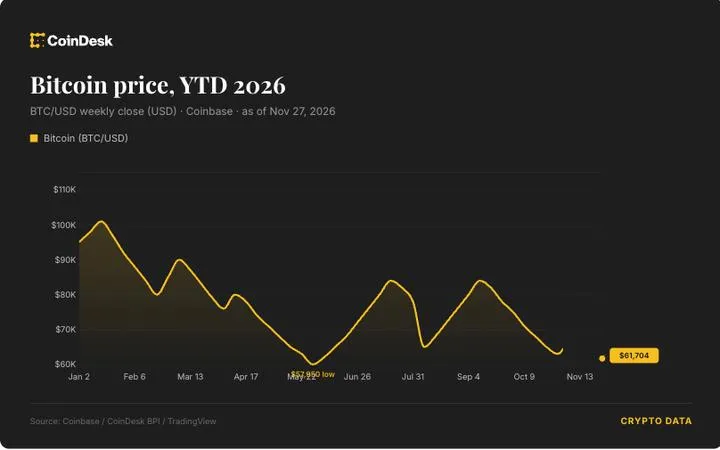
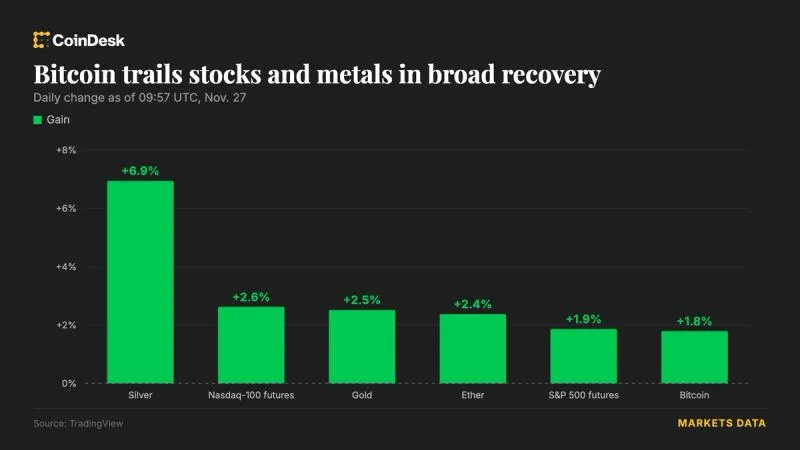
This increase in volume also aligns with global trends where interest in crypto assets continues to rise, despite experiencing significant price fluctuations. Related articles, such as Bitcoin Surges Above $61,000, AI Stocks Fuel Global Market 2026 and Bitcoin Touches $61,600: Ends Seven Dark Weeks, Crypto Market Reverses!, indicate the positive momentum occurring during the same period.
Europe's supervisory framework, especially under the Markets in Crypto-Assets (MiCA) regulation, is a primary focus in addressing these challenges. MiCA is designed to provide a comprehensive legal framework for crypto assets that were previously unregulated under existing financial services laws.
With most accounts originating from outside Austria, coordination among regulators in EEA countries becomes crucial. The FMA emphasizes the need for uniform reporting and compliance standards to prevent regulatory gaps and illegal activities.
The growth in trading volume also sparks discussions about potential systemic risks that could arise from inadequate supervision. Ponzi schemes, such as NovaTech Ponzi Scheme Collapses, New York Seizes Trillions in Assets Harming Immigrants, serve as a reminder of the dangers lurking in poorly regulated markets.
Furthermore, the FMA's report also serves as a barometer of regional crypto market health. These data will be a crucial foundation for policymakers across Europe in refining their regulatory strategies for the years to come.
Editorial Insight: The substantial crypto trading volume under Austrian supervision not only reflects broadening adoption but also urgently calls for regulatory harmonization across the European Economic Area. The cross-border nature of crypto transactions demands a coordinated and proactive supervisory approach. Without a robust and uniform framework, risks of money laundering, fraud, and systemic instability will continue to loom. The successful implementation of MiCA will be key in determining the future of a safe and innovative crypto market in Europe.