 Chandra Wijayanto
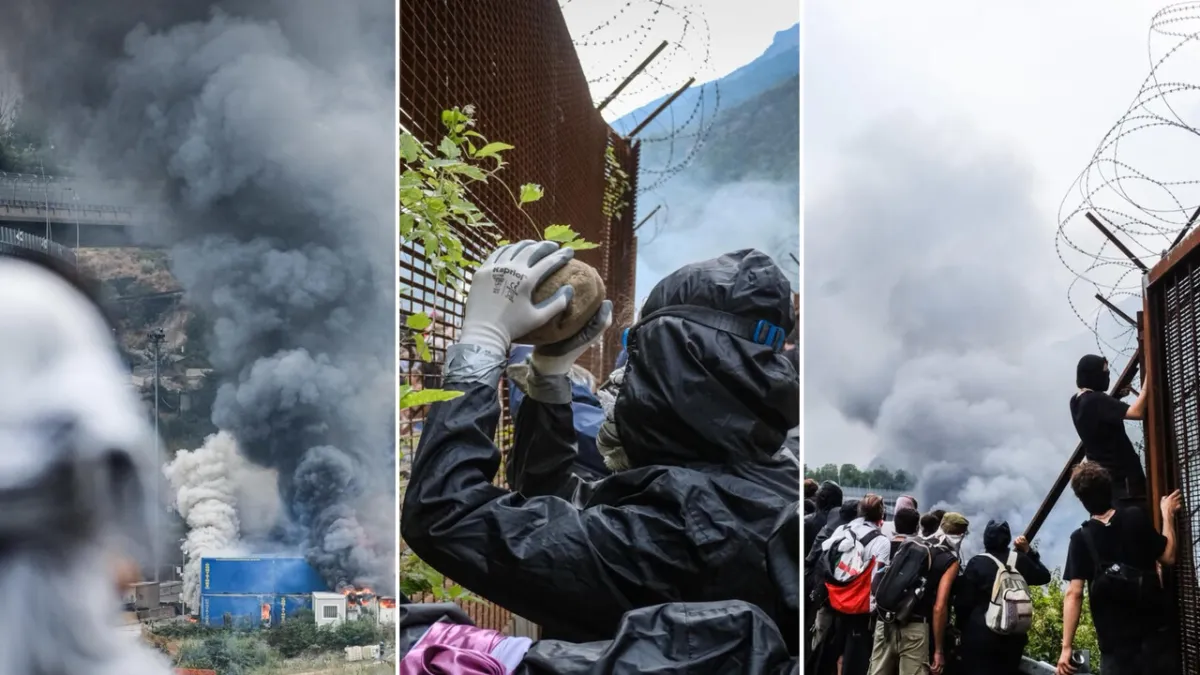
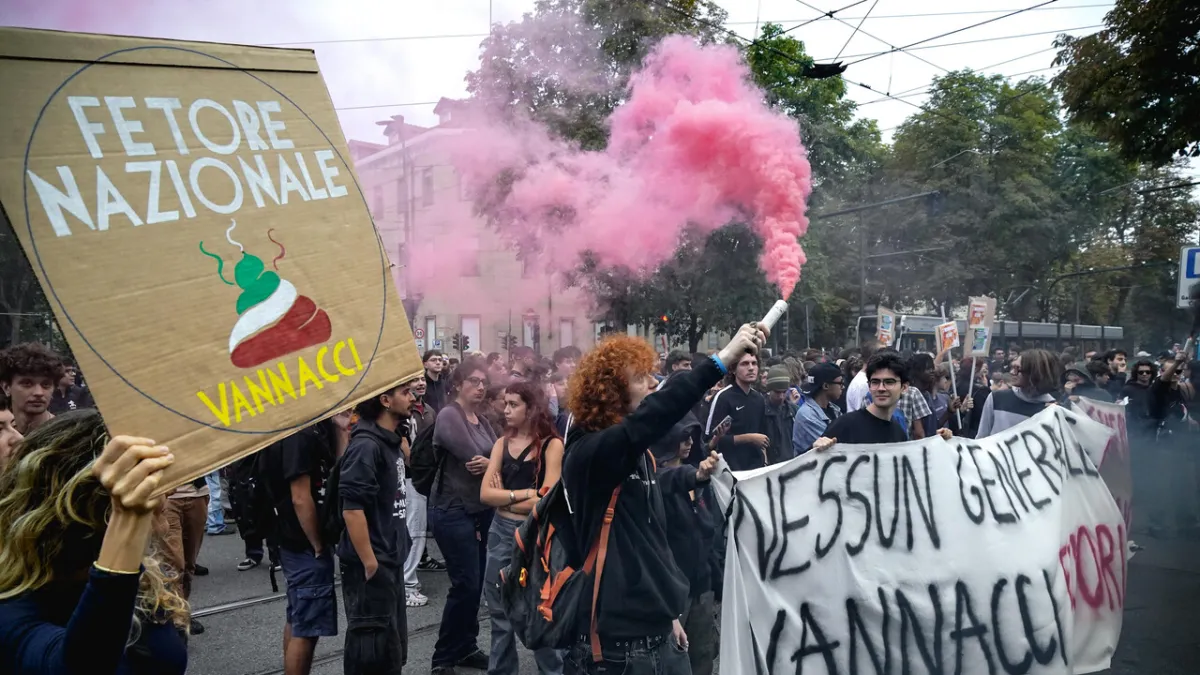
ROME — Hundreds of masked activists affiliated with the No Tav movement recently launched a coordinated attack on high-speed rail construction sites in Italy, causing significant disruption and injuring several security personnel. The incident, marked by the throwing of paper bombs and tear gas, immediately drew a firm response from the nation's leadership.
President Sergio Mattarella, in a phone call with Interior Minister Matteo Piantedosi, expressed deep gratitude and concern for the injured agents. The statement from the Quirinal Palace underscored the government's commitment to maintaining order and security amid escalating protests.
The No Tav movement, which opposes the construction of the high-speed rail line (Treno Alta Velocità) between Turin and Lyon, has been a source of continuous tension in the Piedmont region. Activists claim the project harms the environment and is uneconomical, while the government argues this vital project will enhance connectivity and economic growth.
The nighttime attack involved no fewer than hundreds of individuals, who moved in an organized manner to breach security barricades around the project sites. They employed guerrilla tactics, including setting barricades on fire and directly assaulting guarding officers.
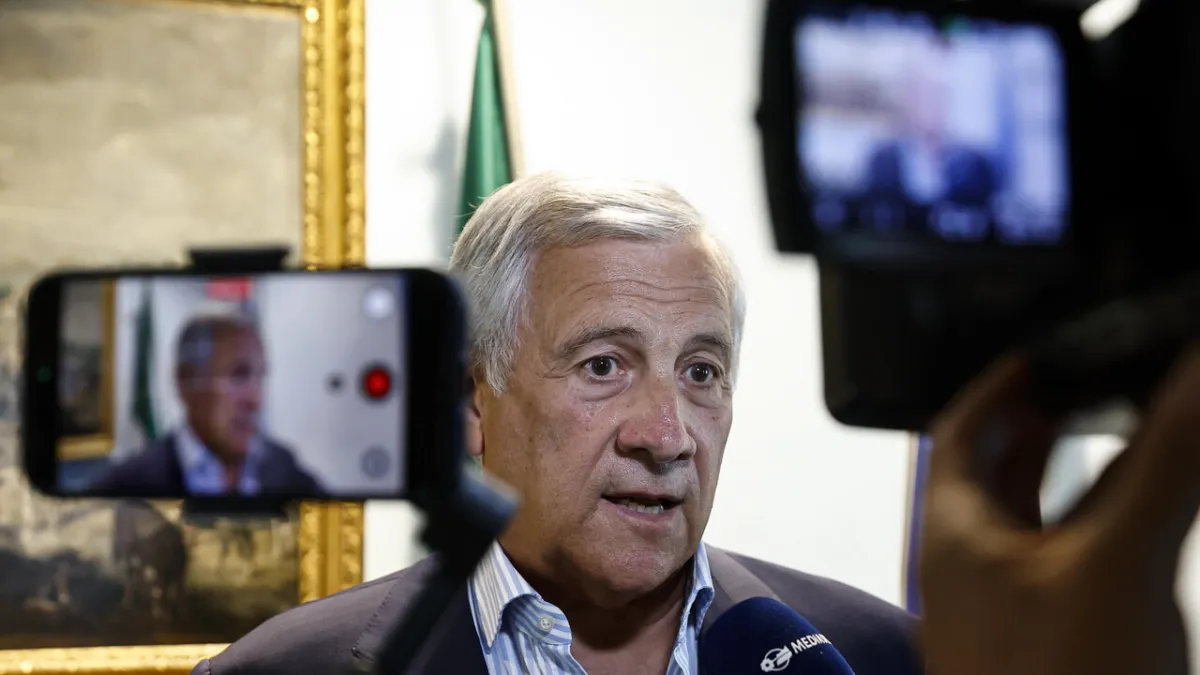
Interior Minister Piantedosi affirmed that such acts of violence would not be tolerated. "The state will act decisively against any form of anarchism and vandalism that disrupts national strategic projects," he stated during a press conference in Rome.
Prime Minister Giorgia Meloni also issued strong condemnation. Through an official statement, Meloni asserted, "Violence will never subjugate the state. The government is fully committed to continuing essential infrastructure projects for Italy's future, while ensuring the safety of citizens and workers."
Similar incidents are not isolated, indicating the persistence of conflict between activists and authorities. However, the scale and intensity of this latest attack highlight anew the security challenges faced by the government in securing large-scale infrastructure development.
Authorities immediately launched a thorough investigation to identify the masterminds behind this brutal attack. CCTV footage and officer testimonies are key to uncovering the network behind the organized violence.
The high-speed rail project is expected to significantly cut travel times and reduce carbon footprint compared to road transport. Yet, dissenting voices continue to emerge, demanding more inclusive dialogue and a comprehensive re-evaluation of environmental impacts.
Transitioning to modern infrastructure often sparks intense debate, particularly concerning environmental and social impacts. Another example can be seen in how mega infrastructure projects in other regions can cause significant disruption.
Despite facing resistance, the Italian government is determined to complete strategic projects. Law enforcement and constructive dialogue remain two crucial pillars in addressing these complex challenges in 2026.