 Dodi Irawan
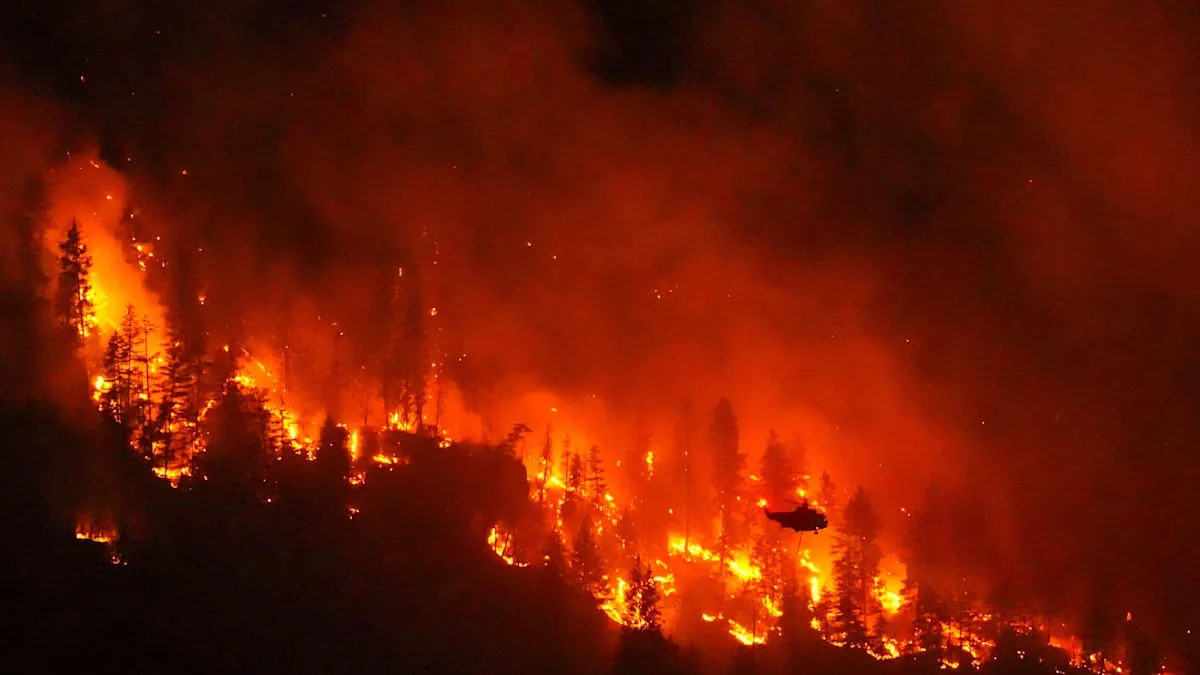
VANCOUVER – The province of British Columbia, Canada, is now under a state of emergency following a series of widespread, uncontrolled wildfires. This event has triggered the forced evacuation of over 20,000 people and ravaged thousands of hectares of land, threatening resident safety and vital infrastructure since mid-2026.
The situation rapidly deteriorated due to strong winds significantly accelerating the fire’s spread. These extreme weather conditions have complicated firefighting efforts and increased the risk to residential areas across the province.
The Government of British Columbia, led by Premier David Eby, officially declared the emergency status. This move grants additional authority to emergency personnel to allocate resources, order evacuations, and maintain public order in response to the crisis.
Over 9,500 hectares of forests and land have been consumed by the flames. This figure is expected to rise given the dry weather and strong winds still prevalent in several affected areas, including around the Okanagan Valley and other interior regions.
Firefighting teams from across Canada, supported by international aid, are relentlessly battling the colossal blazes. Helicopters and water bombers are intensively deployed to suppress the fire’s advance, yet the scale of the disaster presents immense challenges.
Emergency evacuation centers have been established in relatively safe cities, accommodating thousands of displaced individuals who have lost their homes or were forced to abandon their properties. Logistical support including food, clean water, and basic medical facilities are top priorities for the victims.
Several small towns and remote villages in British Columbia have been isolated due to cut-off or dangerously impassable transportation routes. This raises concerns regarding aid access and the condition of communities still trapped in red zones.
This wildfire crisis is not confined to British Columbia. Data indicates that several other regions in Canada, including Alberta and parts of Quebec, are facing similar threats, signaling an increasingly frequent pattern of extreme weather across the country.
Canadian Prime Minister, Justin Trudeau, has expressed deep concern and pledged to deploy all necessary federal resources to support response efforts in British Columbia and other affected provinces.
Meteorological and climatological experts warn that the frequency and intensity of extreme wildfires, such as those occurring in 2026, are a clear consequence of global climate change. Rising average temperatures and erratic precipitation patterns create ideal conditions for fire propagation.
Economic losses from the wildfires are estimated to reach billions of dollars, encompassing property damage, disruption to the tourism sector, and long-term impacts on the forestry industry. The recovery process will require significant time and investment.
Communities across Canada have united in solidarity, raising funds and donating essential goods for the evacuees. This spirit of togetherness offers hope amidst a situation fraught with uncertainty and devastation.
Editorial Insight: The British Columbia wildfire disaster underscores the urgency of climate change mitigation and adaptation. The massive scale of evacuations and extensive land destruction must serve as a moment for governments and the global community to re-evaluate environmental management and emergency response strategies. Without a comprehensive approach, similar threats will continue to loom, demanding more mature readiness and better coordination in the future.