 Angel Doris
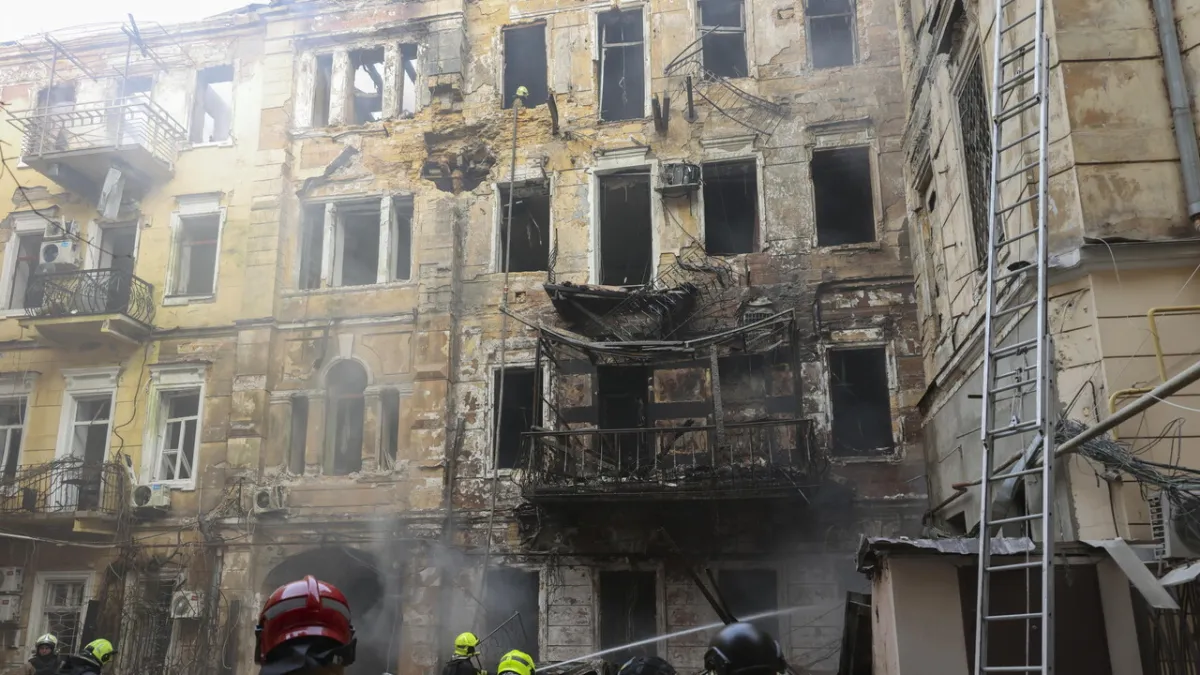
VATICAN CITY – The escalation of conflict in Eastern Europe has reached a critical juncture. Brutal airstrikes struck the cities of Odesa and Kharkiv overnight, causing significant damage and global alarm. This occurred concurrently with a Ukrainian drone attack on Belgorod, Russia, which injured 13 people, including two children. In response to this surge in violence, Pope Francis from the Vatican once again issued an urgent plea for peace, urging all parties to prioritize diplomacy and respect international humanitarian law.
The attacks targeting Odesa and Kharkiv, two strategic cities in Ukraine, mark a new chapter in the unending cycle of violence that has plagued the region since the full-scale invasion began. Local officials reported critical infrastructure as targets, although comprehensive details regarding the number of civilian casualties are still being verified. The shockwaves from the explosions were felt far and wide, reigniting fear among residents who have long lived under the shadow of war.
Meanwhile, Ukraine's response to this aggression was also evident. A drone attack on the Russian city of Belgorod, located near the border, demonstrated Ukraine's capability to retaliate. This incident resulted in 13 injuries, including two young children, who are currently receiving medical treatment. Both incidents underscore that no territory is entirely safe from the conflict's impacts, further exacerbating the regional security situation.
Addressing these tragic developments, Pope Francis, speaking from the Vatican, utilized the Angelus to deliver a powerful message. He emphasized the imperative to uphold human rights and humanitarian law, particularly in protecting innocent civilians. "Civilian victims continue to fall. We must respect humanitarian law. Violence must cease, make way for diplomacy," the Pope exclaimed, as quoted from the Angelus report.
This statement from the Pope is not his first. Since the conflict commenced years ago, Pope Francis has consistently called for dialogue, condemned violence, and pleaded for an end to suffering. However, his appeals often confront the increasingly complex and heated realities of the battlefield.
Amidst the military turmoil, geopolitical dynamics continue to shift. Germany, a country with a central role in the European Union, has taken firm steps against individuals deemed to threaten national security. Since the outset of the conflict, Germany has deported hundreds of Russian citizens. According to a Bild newspaper report, over 400 Russian nationals have been expelled from German territory, reflecting Berlin's resolute stance against those perceived to have ties to regimes or activities incongruent with German interests. This action adds a diplomatic dimension to the ongoing conflict.
International analysts view these latest attacks as an attempt to test global patience and response. Strategic targets in Odesa and Kharkiv may be intended to disrupt Ukrainian military logistics and exert pressure on civilian morale. Russian invasions rocking Odesa and Ukrainian drone retaliations in Belgorod have repeatedly occurred, illustrating a relentless cycle that demands serious attention from the international community.
Protecting civilians, especially children, remains a paramount priority. With 13 injured in Belgorod, including two children, the humanitarian crisis becomes even more urgent. Humanitarian organizations continue to strive to provide aid amidst massive logistical and security challenges. They are calling for safe humanitarian corridors and unhindered access for medical assistance and essential supplies.
The international community faces a grave dilemma. Pressure to achieve a ceasefire and peaceful resolution continues to mount, yet diplomatic negotiations are often hindered by fundamental differences in views among the warring parties. Meanwhile, millions continue to bear the burden of war, losing homes, livelihoods, and loved ones.
The situation in Ukraine in this year 2026 indicates that the conflict is far from over. Every new attack, every fallen victim, prolongs the list of suffering and deepens the chasm of division. The world awaits concrete solutions, not just appeals, to end this protracted crisis.
Editorial Insight: The intensification of attacks on both sides, particularly those targeting civilian infrastructure and resulting in casualties, underscores the failure of de-escalation efforts. Pope Francis's repeated appeals reflect a global moral despair over a conflict that continues to claim innocent lives. Germany's actions to deport Russian citizens also demonstrate the firm response of Western nations in confronting the conflict's repercussions, but a major question remains: how can the international community move from rhetorical calls for peace to concrete implementation that halts suffering and opens avenues for genuine and effective negotiations? Without drastic changes in diplomatic approaches and stronger enforcement of international law, this cycle of violence risks becoming an unending 'new normal'.