 Edward DP Situmorang
MOSCOW – Sergej Karaganov, a senior Russian diplomat known for his close ties to President Vladimir Putin, recently issued an explicit warning regarding the potential escalation of conflict in Europe that could culminate in a nuclear war. This startling declaration was made in Moscow in 2026, as Karaganov met with a delegation of German parliamentarians from the Sahra Wagenknecht Alliance (BSW) who were seeking to re-establish peaceful dialogue with the Kremlin.
Karaganov, a prominent strategic thinker in Russia whose views often reflect the direction of Kremlin's foreign policy, asserted that 'ultimately, this will end in a nuclear war' if Europe continues on a path of confrontation with Russia. This threat emerged during a diplomatic visit to the Russian capital by two BSW members of parliament, Sevim Dagdelen and Klaus Ernst, aimed at opening stalled communication channels.
The primary objective of the BSW delegation's visit was to promote dialogue and de-escalation of tensions between Europe and Russia. The newly established BSW party is known for its skepticism regarding arms deliveries to Ukraine and its support for diplomatic solutions, a stance that contrasts sharply with the majority of political parties in Germany and the European Union.
The meeting between the German parliamentarians and Karaganov highlighted the deep chasm in perspectives between Russia and the West regarding the future of regional security. Karaganov has previously advocated for the use of tactical nuclear weapons to prevent conventional conflict escalation, an idea that has drawn strong condemnation from many Western nations.
Karaganov's warning adds to a long list of harsh statements from Russian officials concerning the potential dangers of global escalation. The Kremlin, on several occasions, has firmly rejected European ultimatums and called for unconditional peace negotiations. (See also: Kremlin Firmly Rejects European Ultimatum: Unconditional Peace Talks!)
Nuclear threats, though often framed within political rhetoric, consistently spark serious international concerns. This is not the first time a senior Russian figure has raised a worst-case scenario, but the timing and audience involved this time lend particular weight to Karaganov's statement.
The BSW delegation sought common ground through direct diplomacy, a move deemed crucial amidst a deep crisis of trust. They hoped to convey the message that segments of Europe still desire a peaceful resolution rather than solely military confrontation.
Klaus Ernst stated, 'We believe that dialogue is the only way forward. Ignoring communication will only worsen the situation and increase the risk of miscalculation.' This statement reflects a hope for easing tensions through proactive diplomatic channels.
However, Karaganov's response indicates that Moscow is currently in a highly inflexible position, especially when facing what they perceive as military and political pressure from the West. Karaganov's views are often aligned with the thinking of Juri Uschakov, another confidant of President Putin, who also plays a key role in Europe's peace dilemma in 2026. (See also: Juri Uschakov, Putin's Whisperer, Key to Europe's Peace Dilemma 2026)
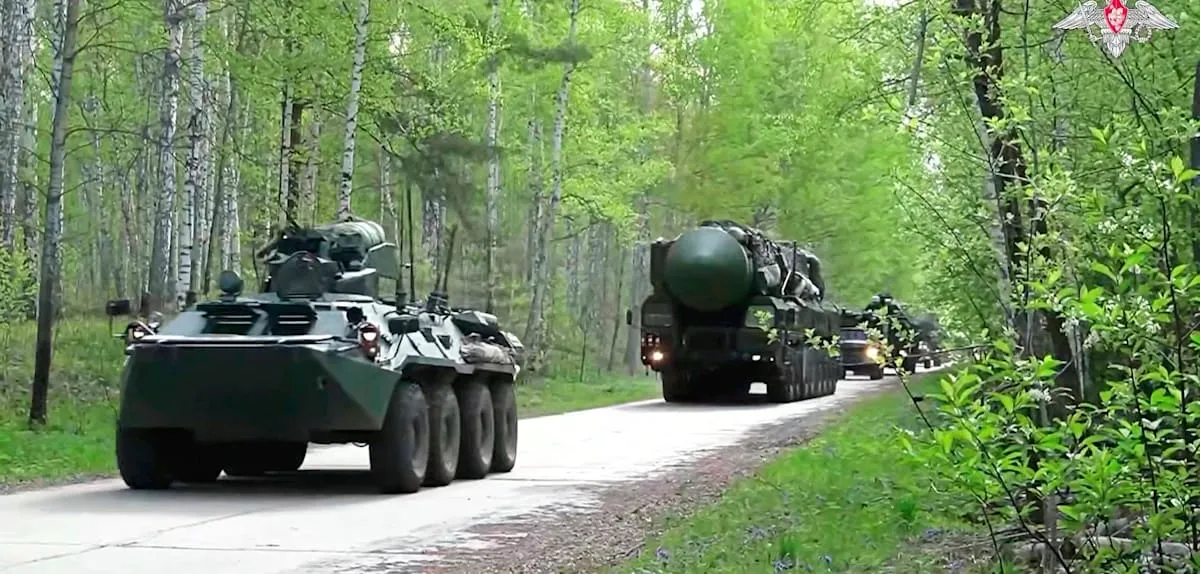
This situation places Europe at a crossroads. A warning about nuclear war, from someone with direct access to Putin's inner circle, cannot be taken lightly. It demands a re-evaluation of strategies and diplomatic approaches from all parties involved.
The international community now awaits reactions from Berlin and Brussels to this threat delivered in Moscow. Whether this will trigger more intense diplomatic efforts or merely deepen polarization remains a significant open question hanging in the air.
Editorial Insight: Sergej Karaganov's statement is more than mere rhetoric; it reflects Moscow's increasing frustration and readiness to consider extreme options if their red lines are crossed. The presence of the pro-dialogue BSW delegation from Germany actually underscores the tension, highlighting how challenging it is to find consensus even among factions within European politics. This nuclear threat, though horrific, might be intended as a last-ditch effort to force negotiations or at least slow the pace of Western support for Ukraine. Its impact on global stability cannot be underestimated, demanding a meticulous response from world leaders in 2026.