 Stefani Rindus
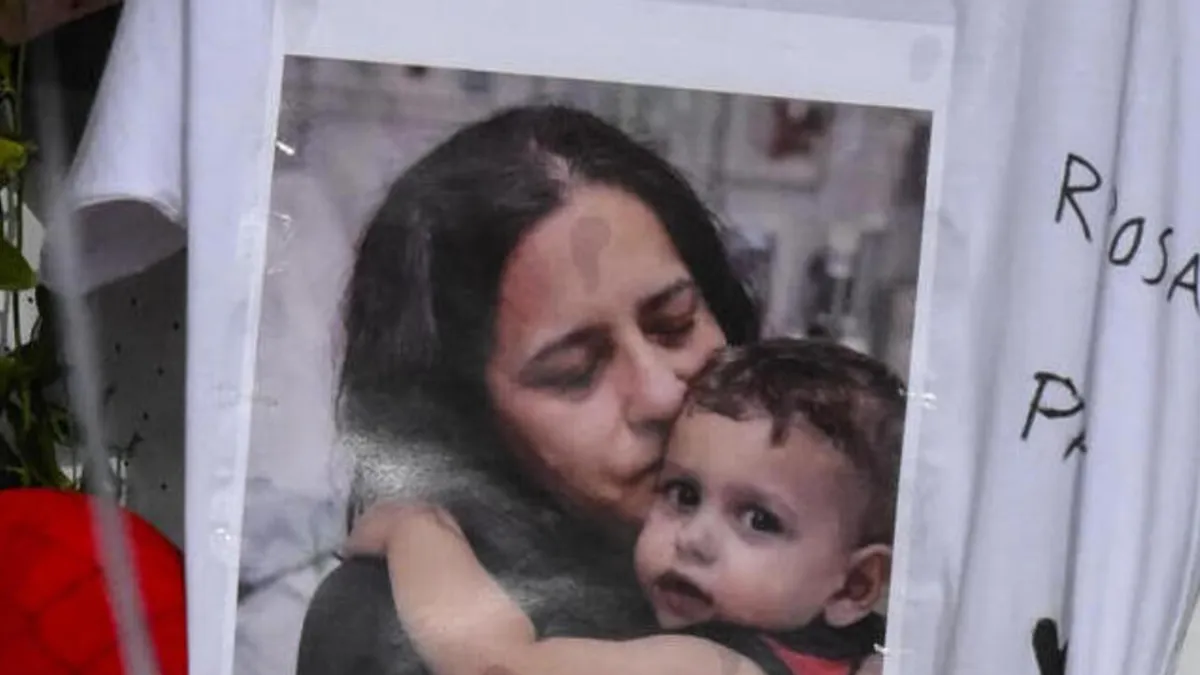
NAPLES — A substantial compensation agreement concerning the tragic death of Domenico, an Italian youth, has been reached between the family and relevant parties, valued at an estimated 1.5 million euros, equivalent to approximately 26 billion Indonesian Rupiah in 2026. Nevertheless, the agreement is protected by a strict confidentiality clause, while the victim's mother asserts that she still awaits the continuation of the judicial process to unveil the full truth and uphold justice.
This financial compensation settlement marks a new chapter in the Domenico family's long struggle for accountability following the incident that claimed their son's life. The agreed compensation sum, despite its confidential nature, indicates a serious acknowledgment of the losses suffered by the family.
"Now we await the trial," stated the mother with a trembling voice, emphasizing that material compensation can never replace the loss of Domenico's life. This statement reflects the family's determination not only to receive damages but also to ensure justice is served through formal legal channels.
Domenico's death case has garnered public attention in Italy, particularly after news emerged about the compensation negotiations. Based on developing information, this agreement involves Domenico's family and Monaldi Hospital, as previously reported in our article: The Tragic Story of Domenico: Family and Monaldi Agree to Heartbreaking Compensation.
The confidentiality clause has drawn scrutiny, given the public's right to know details of cases impacting a human life. This secrecy covers the exact amount and other specifics of the agreement, limiting information accessible to the general public.
Despite the civil settlement, the criminal proceedings or investigation into the cause of Domenico's death are expected to continue. This is crucial to ensure that all aspects of the incident have been thoroughly investigated and that those responsible receive appropriate sanctions under the law.
Compensation of 1.5 million euros is indeed a significant sum, but for the family, especially the mother, this value pales in comparison to the emotional suffering from losing a son. True justice in their eyes involves the discovery of truth and accountability.
The people of Italy continue to follow the case's developments, expecting transparency and a fair resolution. Public pressure often plays a vital role in ensuring that sensitive cases like this do not become obscured by confidentiality or out-of-court settlements.
Cases such as Domenico's death frequently spark broader debates regarding safety standards, medical procedures, or potential negligence. This serves as a reminder for relevant institutions to continuously enhance oversight and accountability.
The mother's hope now rests with the judicial system. She believes that the court will be able to provide the answers she has sought for so long, and guarantee that similar cases will not befall other families. Justice is the only profound solace for her heart.
With this compensation agreement, one chapter has concluded, but another, more critical chapter—the pursuit of substantive justice under the law—has just begun. All eyes will be on the upcoming court proceedings, awaiting a verdict that can bring an end to the Domenico family's long suffering.