 Angel Doris
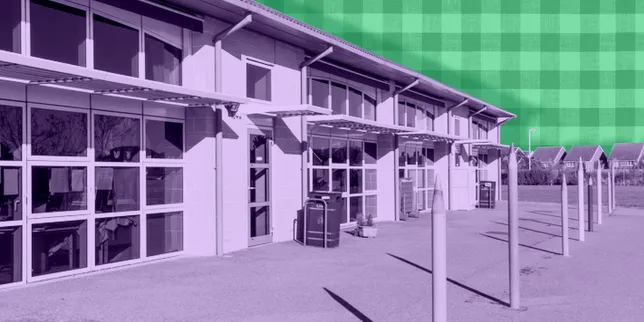
PARIS – Serious concerns have emerged regarding the rapid growth of French schools overseas, particularly those driven by for-profit private entities. Two parliamentary reports, released in July 2026, explicitly warn of a threat to the deregulation of the education system due to an expansion deemed too fast and inadequately controlled.
Since 2018, French President Emmanuel Macron set an ambitious target to double the number of students in French schools abroad by 2030. This initiative aims to strengthen French cultural and linguistic influence on the international stage.
However, this significant growth momentum is largely supported by a number of educational institutions affiliated with purely private groups with profit motives. This phenomenon raises critical questions about the direction and philosophy of French education on a global scale.
The parliamentary reports underline several potential dangers. One is the erosion of national educational standards, as well as the potential for excessive commercialization, shifting the focus from academic quality and cultural mission to achieving financial targets.
A parliament member involved in drafting the report stated, We do not want the ambition of quantity to sacrifice the essence of quality. French education has a global reputation that must be preserved, not commodified.
Another issue highlighted is the potential for inequality of access. Private schools tend to set higher fees, potentially limiting access for students from less affluent economic backgrounds, contrasting with the public education ethos that prioritizes inclusivity.
This phenomenon also sparks a profound debate about the public service model. If growth is predominantly in private hands, there are concerns that government oversight and curriculum control will weaken, as touched upon in the article Model Swasta Cekik Layanan Publik: Sosiolog Serukan Reformasi Mendesak.
The French government now faces a dilemma: how to achieve expansion targets without sacrificing the integrity and core values of the national education system. A balance must be struck between supporting private initiatives and asserting quality control from educational authorities.
Experts and observers call for stricter regulatory frameworks to ensure these schools adhere to French curriculum and pedagogical standards, regardless of their ownership. This is crucial for maintaining prime educational quality and avoiding harmful deregulation practices.
The long-term impact of this trend could extend to France's image as a center of educational excellence. Losing control over curriculum and educational ethos could damage a reputation built over centuries.
The debate about the private sector's role in global education is not new. However, with the scale of ambition set by Paris, the urgency to review policies and ensure quality sustainability becomes even more vital in 2026.
Editorial Insight: This issue of French school expansion abroad reflects a global tension between geopolitical ambitions and the fundamental principles of public service. When private entities assume a dominant role in the education sector, the risks of commercialization and erosion of core values become evident. The French government must promptly formulate a comprehensive strategy that not only focuses on quantity but also on strengthening regulations and quality assurance, so that the long-term goals of educational diplomacy are not compromised by purely profit-driven interests.