 Edward DP Situmorang
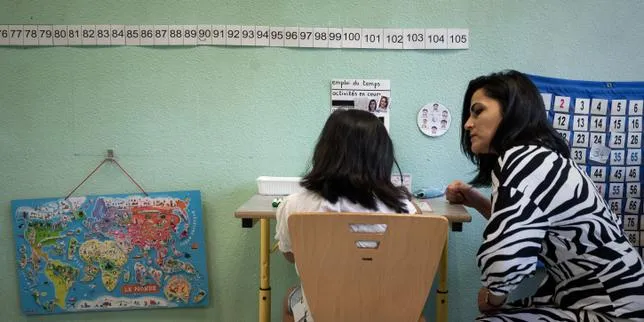
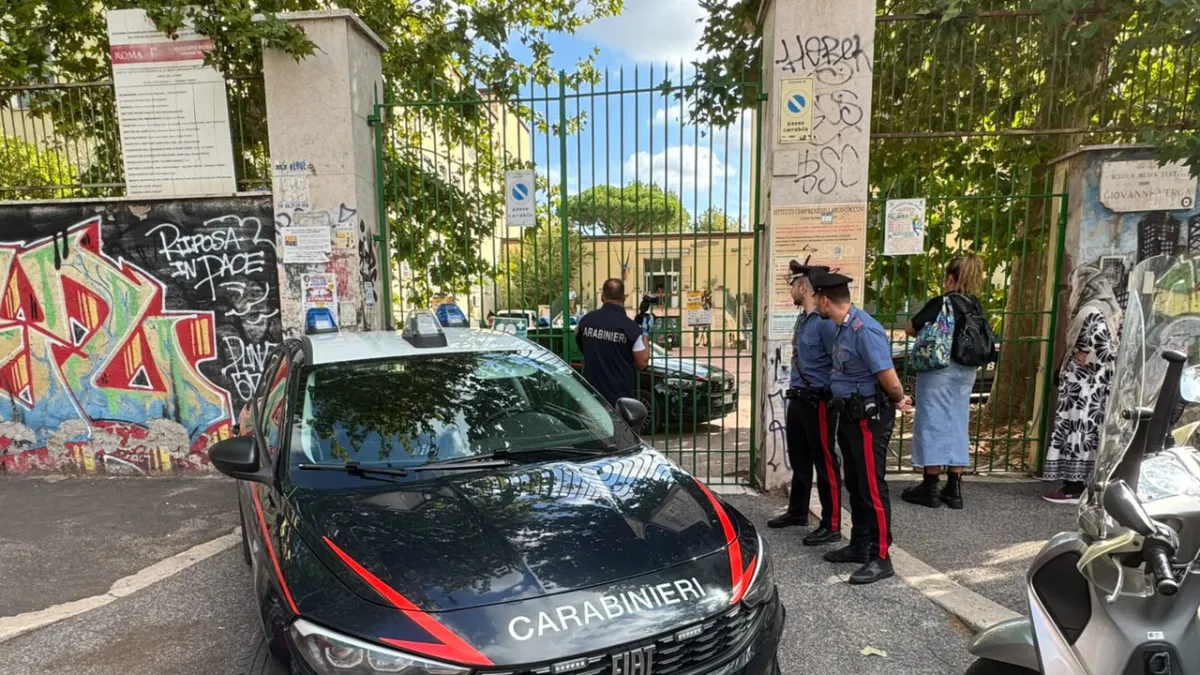
PARIS – The Unapei association, representing parents of children with intellectual disabilities in France, has once again issued a stern warning ahead of the 2026 academic year. They highlight the distressing reality that thousands of students with special needs still do not receive the essential support they deserve within the national education system. This situation arises due to insufficient school facilities and a lack of effective coordination between the Ministry of National Education and the medical-social sector, creating a deep access gap for individuals with disabilities.
This Unapei warning is not new. Every year, before school opens, the association consistently voices similar concerns, asserting that promises of inclusive education often remain mere rhetoric without concrete implementation on the ground. The impact is directly felt by thousands of families who struggle to ensure their children receive the basic right to relevant and adaptive education.
According to data released by Unapei, the primary problem lies in the schooling provisions that are often not tailored to the individual needs of disabled children. This includes the absence of specialized support teachers, minimal training for regular teaching staff, and school infrastructure that is not yet disability-friendly. Consequently, many students are forced to be absent or cannot participate optimally in lessons.
The Unapei association urges significantly improved coordination between the Ministry of National Education and the medical-social sector. This close collaboration is deemed crucial to ensure that every disabled student can access integrated support, ranging from early diagnosis, therapy, to comprehensive academic assistance in the school environment. Without synergy, inclusion efforts will remain partial and ineffective.
French educational history records a number of dynamic reforms over the last two decades. However, for Unapei, these changes have not fully addressed the critical challenges in providing truly inclusive education for all. Focus often shifts to curriculum aspects or general assessment, overlooking the specific needs of the most vulnerable segments of society.
Responding to public criticism and demands, the French government, through the Ministry of National Education, has repeatedly promised improvements. Radical reforms were even promised to be ready by 2026, with the hope of addressing the root causes. However, Unapei emphasizes that these promises must quickly materialize into concrete actions, not just plans on paper.
The French Minister of Education's promise for thorough reform amidst political tug-of-war also raises questions. Effective policy implementation requires strong commitment and adequate resource allocation, not just public statements.
The challenges in creating an inclusive educational environment in France are highly complex. Besides budget issues, bureaucratic hurdles, a shortage of experts, and resistance to change are significant obstacles. Continuous teacher training and the formation of solid support networks between institutions remain major homework.
Parents of disabled students experience heavy emotional and financial burdens. Many are forced to take extreme measures, such as reducing working hours or seeking expensive alternative educational solutions, to ensure their children are not left behind. These stories of struggle are the voice continuously raised by Unapei.
Inclusive education is not just a policy; it is the foundation for a just and civilized society. When thousands of disabled children do not receive their right to education, it indicates a collective failure of a nation to uphold the principles of equality and accessibility.
Unapei asserts it will continue to advocate for the rights of disabled students, demanding accountability from the government, and pushing for accelerated implementation of pro-inclusive policies. Their hope is that the coming years will bring substantial change, not just a repetition of the same warnings every new academic year.
Editorial Insight:
The inclusive education crisis in France highlighted by Unapei reflects a universal challenge in integrating individuals with special needs into society. Although educational reforms continue to be rolled out, the failure to provide essential support for thousands of disabled students indicates a disparity between political commitment and the reality of implementation. If the French government fails to respond holistically with stronger cross-sector coordination, the human rights of disabled children will continue to be neglected, and the great potential of the younger generation will be wasted.