 Gabriella
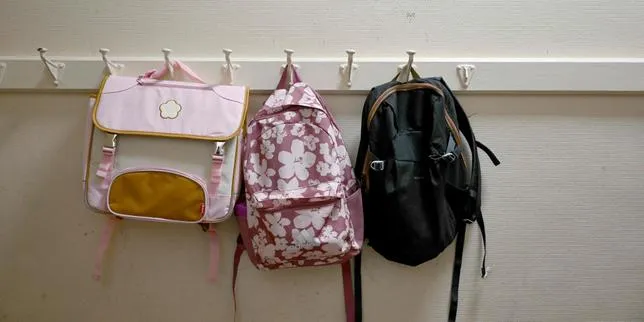
PARIS – Three years after signing a crucial protocol with the French Ministry of National Education, the Catholic private education sector admits that efforts to improve social diversity in schools have yielded very mixed results. Recognizing the urgency of this challenge, the Secretary General for Catholic Education is now proposing a series of new, concrete actions to redistribute educational offerings and actively combat school selection practices.
_Mixite sociale_, or social diversity, has been a central focus of France's educational agenda for several years. The existence of private schools, particularly those affiliated with the Catholic Church, is often associated with a concentration of students from specific socio-economic backgrounds, raising concerns about segregation and educational access inequality.
In 2023, an ambitious protocol was signed between the Catholic private education sector and the government. This agreement aimed to integrate more students from diverse social strata, ensuring that private schools also contribute to creating a socially representative learning environment.
However, recent evaluations indicate that the protocol's implementation has not met its intended targets. The Secretary General for Catholic Education candidly stated that the results are very mixed, indicating that most efforts have not had a significant impact or have been sporadic.
This acknowledgment does not signify surrender but rather fuels a drive for deeper reform. The organization is now determined to launch more structured and sustainable initiatives, addressing the root causes of the lack of diversity within their institutions.
New propositions put forward by French Catholic Education focus on two main pillars:
- Redistribution of Territorial Offerings: Creating a more geographically and socially balanced network of schools, reducing the concentration of students from similar backgrounds in certain areas. This includes broadening access for students in underserved regions or those with high economic diversity.
- Combating School Selection: Developing more transparent and inclusive enrollment mechanisms, minimizing potential biases or selection practices that indirectly exclude certain student groups. This could mean reviewing admission criteria and strengthening support for academically talented students from less affluent families.
These measures are considered crucial to ensuring that education is not only a right but also an equal opportunity for every child, regardless of their social or economic background. Diversity in learning environments has been proven to enhance educational quality and prepare students for an increasingly complex world.
Barriers to social diversity in private schools are often complex, involving factors such as tuition fees, reputation, and even geographical location. This initiative seeks to address these factors with a holistic approach that includes internal policies and external collaborations.
In a national context, these efforts align with broader educational challenges in France. A previous report indicated that France risks losing billions of euros due to an education crisis, with inequality of access and quality being contributing factors. This effort by Catholic Education could be part of a larger solution to addressing the education crisis in France comprehensively.
The success of this initiative will heavily depend on the sustained commitment of educational institutions, government support, and active participation from school communities. Cultural and practical changes are key to achieving true and lasting diversity.
Editorial Insight: The efforts of French Catholic Education to address social inequality in schools are commendable, especially with the honest acknowledgment of the limitations of previous initiatives. The main challenge lies in consistent implementation and the ability to change deeply ingrained selection paradigms. If successful, this new strategy will not only enhance the reputation of Catholic private education but also contribute significantly to educational equity in France, which is essential for the country's long-term social development and global competitiveness. This is a significant gamble with the potential to reshape the educational landscape.